
Choosing the right bed frame for a Singapore HDB flat requires balancing strict spatial limits with your personal comfort. While standard furniture designs work well in larger homes, the compact footprints of modern Build-To-Order (BTO) and resale flats demand a more strategic approach. The decision often comes down to whether you should invest in a highly customizable, upholstered brand like Bedhead or opt for alternative mass-market, solid wood, or custom carpentry solutions.
The ideal brand for your bedroom depends on your specific spatial constraints, storage needs, and aesthetic preferences. Bedhead is highly suitable if you want a premium, comfortable upholstered aesthetic and need custom dimensions to fit tight layouts or awkward corners. However, if your primary goal is maximizing every cubic centimeter of under-bed storage, finding a budget-friendly option, or securing a low-maintenance frame that withstands Singapore’s humidity with minimal effort, alternative brands may serve you better.
To make the right choice, you must evaluate how different bed frame designs address the unique architectural and environmental realities of Singapore public housing. The following sections break down these key comparison dimensions to help you select the best option for your home.
Products mentioned in this guide
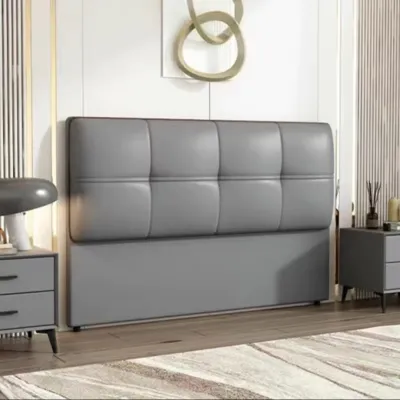
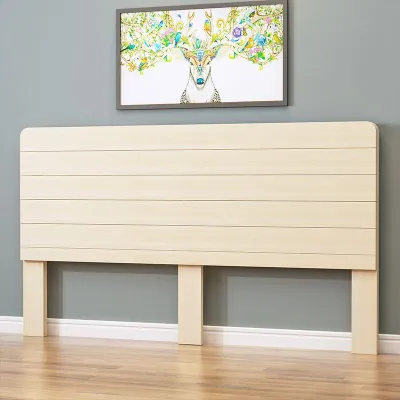
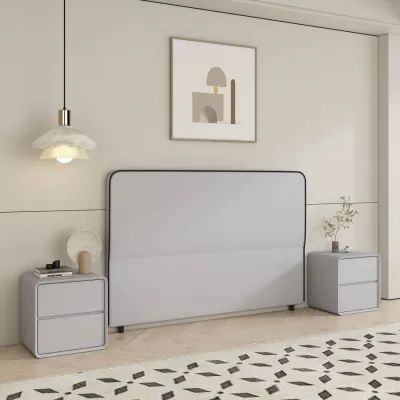
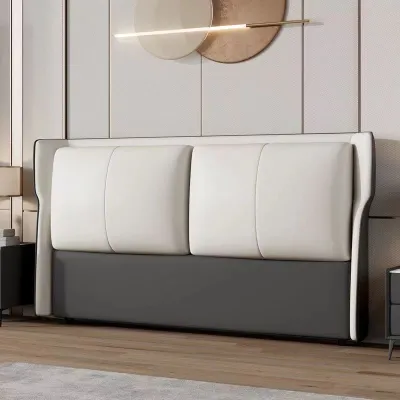
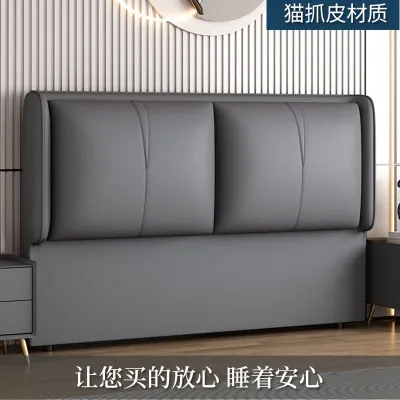
Prices are valid at publication and may change. Please refer to the product page for the latest price.
Core Comparison Dimensions for HDB Spaces
Comparing bed frames for an HDB flat goes beyond choosing a style that matches your bedroom decor. Modern HDB bedrooms, particularly in newer BTO developments, feature smaller floor areas where every centimeter of clearance impacts your daily movement. Structural pillars, low window ledges, and the placement of built-in wardrobes further restrict where a bed can be positioned.
Additionally, Singapore’s tropical climate introduces environmental factors that affect the longevity of different materials. High humidity levels can cause low-quality materials to warp, mold, or degrade prematurely. Evaluating how different brands perform under these spatial and environmental constraints is essential to finding a bed frame that is both practical and durable.
Space Optimization and Storage Solutions
In a compact HDB bedroom, the space beneath your mattress is prime real estate. Bed frame brands generally address this need through three main designs: hydraulic storage beds, built-in drawer frames, and low-profile minimalist frames. Each design presents distinct trade-offs regarding storage capacity, floor clearance, and usability.
Hydraulic storage beds utilize gas-lift mechanisms to lift the entire mattress platform, revealing a deep compartment underneath. This setup is highly effective for storing bulky, seasonal items like luggage, extra bedding, or winter clothing. When evaluating hydraulic options, it is crucial to verify the quality of the lifting mechanisms. High-quality gas struts should operate smoothly and include safety locks to prevent the platform from dropping unexpectedly. Additionally, check whether the storage base is fully sealed to the floor to prevent dust accumulation, or if it sits on small legs, which can make cleaning underneath difficult.
Drawer-style bed frames offer more accessible storage for everyday items, but they require significant lateral clearance. A typical drawer frame needs at least 60 to 80 centimeters of open space on either side of the bed to allow the drawers to extend fully. If your bed is positioned close to a built-in wardrobe, a study desk, or a bedside table, these drawers may be blocked entirely. For tight layouts, a hydraulic lift bed or a customized low-profile frame is usually more practical than a drawer-system frame.
Minimalist, low-profile frames offer no built-in storage but provide a sense of visual openness. These frames are ideal for very small bedrooms where a bulky storage bed would make the space feel cramped. The trade-off is that you lose valuable storage space, meaning you must rely heavily on your wardrobe or external storage solutions. When choosing between these styles, measure your room’s layout carefully to ensure that any moving parts—such as drawers or lifting platforms—have clear pathways that do not obstruct walkways or wardrobe doors.
Material Suitability for Singapore's Climate
Singapore’s year-round warmth and high relative humidity, which regularly exceeds 80 percent, place significant stress on furniture materials. Upholstered fabrics, engineered wood, and solid wood all react differently to these conditions, requiring different levels of care and maintenance.
Upholstered bed frames, which are a signature offering of brands like Bedhead, provide a soft, luxurious aesthetic and comfortable support for sitting up in bed. However, fabric headboards can trap moisture, dust, and skin flakes, making them susceptible to dust mites and musty odors if left unmaintained. To mitigate this, check the manufacturer’s specifications for fabric treatments, such as water-repellent, stain-resistant, or anti-microbial coatings. Regular maintenance is necessary to keep upholstered frames clean in a tropical climate; this includes weekly vacuuming with a HEPA-filter brush attachment and prompt spot-cleaning of spills.
Engineered wood, such as Medium-Density Fibreboard (MDF) or particleboard, is commonly used in mass-market and flat-pack bed frames. While cost-effective, low-grade engineered wood can swell or sag if exposed to high moisture levels or minor leaks. When considering engineered wood frames, inspect the quality of the edge banding and the laminate or veneer finish. Properly sealed edges prevent humidity from penetrating the core material, ensuring the frame remains structurally sound over time.
Solid wood frames, typically crafted from hardwoods like teak, oak, or walnut, offer exceptional natural durability and a timeless aesthetic. Solid wood handles Singapore’s humidity well, provided it has been treated with a high-quality sealant, varnish, or polyurethane finish. Unlike upholstered frames, wood frames do not trap dust or allergens and can be cleaned easily with a damp cloth. However, solid wood is subject to minor expansion and contraction with temperature shifts. It is important to check the construction joints of a wooden frame; robust joinery, such as mortise-and-tenon or heavy-duty steel brackets, is essential to prevent squeaking and wobbling as the wood adjusts to the climate.
Evaluating Bedhead: Design, Customization, and Practicality
Bedhead has established a distinct niche in the furniture market by focusing on premium, upholstered bed frames with a strong emphasis on customization. For HDB homeowners, this customization capability is often the primary reason to consider the brand over mass-market alternatives.

Standard bed frames come in fixed dimensions that do not always align with the tight configurations of Singapore bedrooms. If a standard Queen frame is slightly too wide, it can block access to a built-in wardrobe door or narrow a walkway to an uncomfortable degree. Bedhead addresses this issue by allowing buyers to customize the width, length, and headboard height of their frames. This flexibility allows you to design a frame that fits precisely within your available floor space, maximizing your room’s layout without compromising on mattress size.
Beyond spatial adjustments, the primary appeal of a Bedhead frame is its upholstered design. The padded headboards offer excellent ergonomic support for those who use their bedroom as a multi-functional space—whether for reading, watching television, or working on a laptop. The brand offers a wide selection of fabrics, including premium linens, velvets, and high-performance easy-clean materials, allowing you to tailor the texture and color to your interior design theme.
However, these benefits come with practical trade-offs that you must consider before purchasing:
- Storage Limitations: While some upholstered designs can incorporate hydraulic lift mechanisms, they generally do not offer the same ultra-deep, highly optimized storage volume found in specialized storage platform systems. The padded side rails of upholstered frames also add to the overall footprint of the bed, which can slightly reduce the walkable floor area around the frame.
- Maintenance Requirements: Upholstered surfaces demand more active upkeep than wood or laminate. If you have pets that scratch or shed, or if you suffer from severe dust allergies, maintaining a fabric headboard in Singapore's humid climate will require consistent effort, including regular vacuuming and professional fabric cleaning.
- Lead Times and Delivery: Custom-made furniture is not an off-the-shelf product. Bedhead frames are built to order, which means lead times can range from several weeks to a few months. You must plan your purchase well in advance of your key collection or renovation completion date. Additionally, because upholstered headboards are often delivered as large, pre-assembled panels, you must verify that the dimensions can clear your HDB lift doors, corridors, and bedroom doorways.
Before finalizing an order, contact the retailer directly to confirm current production lead times, fabric upgrade costs, and delivery logistics for HDB blocks to ensure a smooth installation process.
How Alternative Brands Address HDB Bedroom Constraints
To determine if Bedhead is the right investment, it is helpful to contrast its offerings with the strategies used by other categories of bed frame brands in the Singapore market. These alternatives can be broadly grouped into mass-market flat-pack brands, solid wood specialists, and custom carpentry or system furniture providers.
Mass-market flat-pack brands are highly popular among HDB homeowners due to their affordability, immediate availability, and modern, minimalist designs. These brands utilize standardized manufacturing, meaning you can easily browse, purchase, and have a bed frame delivered within a few days. The primary limitation is the lack of dimensional flexibility. Standardized frames may leave awkward gaps in rooms with non-standard alcoves or require you to compromise on your bedroom layout to accommodate the fixed frame dimensions. Furthermore, the materials used are often lightweight engineered woods, which may not offer the same long-term structural stability or premium feel as custom-built options.
Solid wood specialists focus on durability, structural integrity, and natural aesthetics. These brands design frames that showcase the natural grain of timbers like teak or oak, creating a warm, organic feel in the bedroom. Wooden frames are highly practical for Singapore’s climate because they are easy to clean, hypoallergenic, and do not trap moisture. However, solid wood frames lack the soft, cushioned comfort of an upholstered headboard. Visually, solid timber frames can also appear heavy and bulky, which might make a small BTO bedroom feel more enclosed unless you opt for a slim, tapered design.
Custom carpentry and system furniture brands take space optimization to the absolute limit. Instead of freestanding furniture, these companies build integrated platform beds that merge the bed frame with surrounding wardrobes, bedside tables, and overhead shelving. This approach utilizes every square centimeter of your bedroom, turning empty wall space and floor platforms into functional storage. The trade-off is a high degree of rigidity. Once installed, custom carpentry cannot be easily moved, rearranged, or taken with you if you relocate. It also carries a significantly higher initial cost and requires a lengthy installation process during your home renovation.
By comparing these distinct approaches, you can identify which brand category aligns best with your budget, lifestyle, and how long you plan to stay in your current HDB flat.
Decision Framework: Choosing the Right Bed Frame Brand
To help you finalize your decision, use this structured framework to match your specific household needs with the most suitable bed frame category.
Choose Bedhead if:
- You require custom dimensions: Your bedroom layout has tight clearances, structural pillars, or specific architectural constraints that prevent a standard Queen or King frame from fitting properly.
- You prioritize comfort and aesthetics: You enjoy sitting up in bed to read or work and want a soft, premium upholstered look that serves as the visual centerpiece of your bedroom.
- You are comfortable with regular maintenance: You do not mind vacuuming the fabric headboard regularly to keep dust and moisture at bay in Singapore's climate.
- Your timeline is flexible: You are planning your move-in schedule in advance and can accommodate the lead times required for a custom-built piece.
Choose mass-market flat-pack brands if:
- You are working with a strict budget: You want a functional, stylish bed frame without a premium price tag.
- You need immediate delivery: You are moving in quickly and cannot wait weeks for a custom-made frame.
- Your room layout is standard: Your bedroom easily accommodates standard mattress and frame dimensions with plenty of clearance space.
Choose solid wood specialists if:
- You prioritize durability and low maintenance: You want a sturdy, long-lasting frame that requires nothing more than an occasional wipe-down to maintain.
- You have allergies: You prefer a hypoallergenic sleeping environment and want to avoid fabric surfaces that can accumulate dust mites.
- You prefer a natural, minimalist aesthetic: You appreciate the warmth of natural timber and want a timeless design that complements various decor styles.
Choose custom carpentry or system furniture if:
- Maximizing storage is your top priority: You have a small bedroom and need to utilize vertical space and platform storage to keep your home clutter-free.
- You want a highly integrated look: You prefer a seamless, built-in aesthetic where the bed, wardrobe, and study desk flow together as a single unit.
- You plan to stay long-term: You are comfortable investing in permanent fixtures that cannot be easily moved or rearranged in the future.
Before making any purchase, take precise measurements of your bedroom. Use painter’s tape to outline the footprint of your prospective bed frame on the floor. Be sure to account for skirting boards (which can reduce usable floor width by 2 to 3 centimeters), window sill heights, power outlet access, and the swing clearance of your bedroom and wardrobe doors.
Frequently Asked Questions (FAQ)
Buying a bed frame for an HDB flat involves practical logistics that are unique to Singapore’s public housing estates. Below are answers to common questions regarding sizing and delivery.
Do I need a custom-sized bed frame for my HDB bedroom?
While standard-sized bed frames (such as standard Singapore Queen or King sizes) fit comfortably in most master bedrooms of newer BTO flats, custom sizing becomes highly beneficial in smaller common bedrooms or older resale flats. Resale layouts often feature structural columns, unusual alcoves, or non-standard room shapes that can make standard frames block walkways. Customizing the length or width of your frame by even a few centimeters can prevent the bed from blocking built-in wardrobe doors, air-conditioning units, or entryways. Always measure your floor space carefully, keeping in mind that skirting boards along the walls will slightly reduce your total usable width and length.
How do I ensure the bed frame will fit into my HDB lift and corridors?
To avoid delivery day complications, you must measure the clearance of your HDB estate’s delivery route. Check the height and width of your HDB lift doors, the interior depth of the lift cabin, and the turning angles of your corridor corridors. This is especially important if you are purchasing a frame with a large, solid headboard that cannot be bent or disassembled. Before finalizing your order, confirm with the furniture retailer whether the bed frame is delivered flat-packed or in pre-assembled sections, and verify if they can assemble the frame directly inside your bedroom. You should also check if there are additional fees for manual carrying if the items do not fit into the lift.
Community discussion
Share your experience or ask a question. Comments are reviewed before publication.