
Choosing the right tool to adjust, slide, or lift your bed depends entirely on whether you want to permanently increase under-bed storage, slide the frame for weekly cleaning, or safely elevate a heavy structure for maintenance. While bed risers, furniture sliders, and mechanical lifter movers might seem interchangeable to a casual decorator, they serve completely different structural purposes. Selecting the wrong accessory can lead to damaged flooring, unstable sleeping setups, or even structural failure of your bed frame.
To make an informed decision, you must evaluate your primary objective alongside the physical limits of your furniture and flooring. A permanent height adjustment requires structural stability, while routine cleaning demands low-friction mobility. By matching your specific task to the correct tool, you protect your home, your furniture investment, and your physical safety.
Identifying Your Goal: Height Adjustment, Movement, or Heavy Lifting
Before purchasing any moving or lifting accessory, you must define the exact scope of your project. If your primary goal is to create extra under-bed clearance for storage boxes or to make getting out of bed easier, you are looking for a permanent height adjustment. This scenario requires a solution that remains securely in place under constant load, resisting lateral forces when you climb in and out of bed.
Products mentioned in this guide
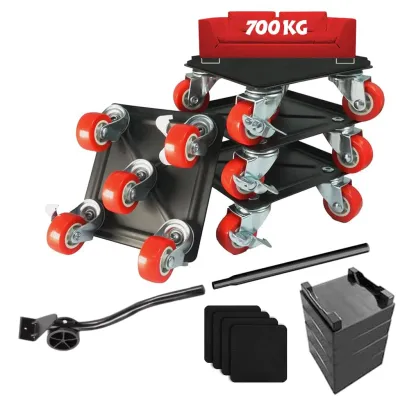
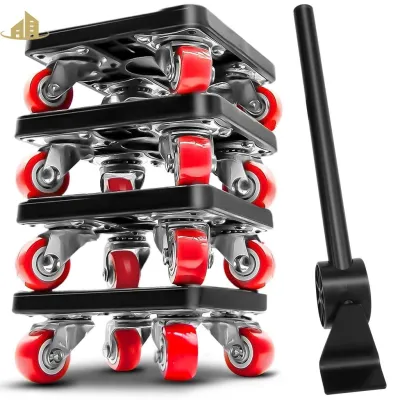
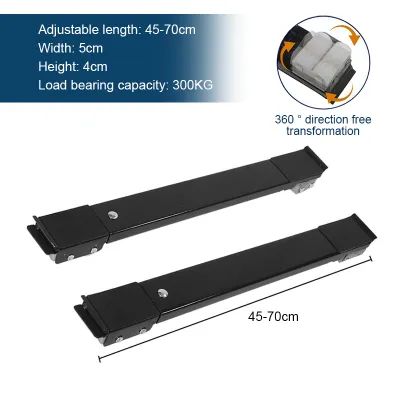
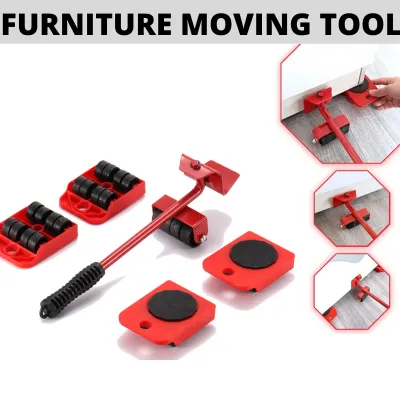
![[SG Seller] Good Quality 5Pcs Furniture Moving Tool Set Home Furniture Mover Heavy Object Transport Lifter with 4 Wheels Mover Roller and 1 Wheel Bar Hand Tools Set CNY Gift Present](https://img.lazcdn.com/g/p/f063bd46469c60b17758a49d3a9b1d49.jpg_400x400q80.jpg_.webp)
![[SG Stock] New Furniture Mover Tools Set Object Transport Lifter Stuff Carrying Glider Tool with 360 Degrees Rotating Wheels Effort-saving Heavy Furniture Moving Tools Set CNY Gift Present](https://img.lazcdn.com/g/p/0dd9b3ede0963be9593c45c12bd636a8.jpg_400x400q80.jpg_.webp)
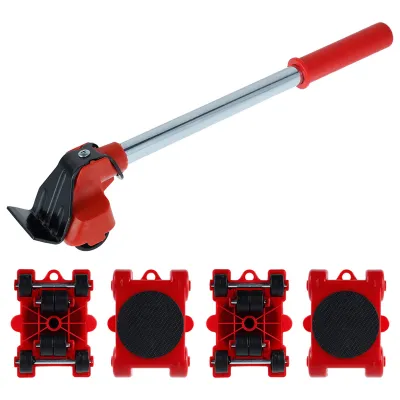
Prices are valid at publication and may change. Please refer to the product page for the latest price.
If you need to slide the bed for routine cleaning, retrieving fallen items, or rearranging your bedroom layout, your goal is low-friction movement. This task requires temporary or semi-permanent accessories that allow the bed legs to glide across the floor surface without leaving scratches or gouges. The tool must be easy to position and remove, or low-profile enough to remain under the legs without altering the bed’s overall stability.
For structural repairs, replacing broken casters, or adjusting leveling feet, you require a heavy lifting tool. These situations involve elevating a fully loaded bed frame temporarily so you can work underneath it safely. Because beds are heavy and awkward to lift manually, a mechanical lifter mover provides the leverage needed to raise the frame without straining your back or risking a sudden drop.
Physical constraints such as available floor space, current bed weight, and floor surface type will heavily dictate your choice. In compact bedrooms, you may not have the clearance to slide a bed outward, making vertical lifting tools more practical. Additionally, heavy solid-wood frames or storage beds with built-in drawers require heavy-duty solutions, whereas lightweight metal frames are much easier to manipulate with basic sliders.
Bed Risers: Best for Permanent Height Adjustment
Bed risers are specialized, heavy-duty blocks designed to sit permanently under the legs or posts of a bed frame to increase its overall height. They are typically sold in sets of four or six and are made from heavy-duty plastic, wood, or metal. Their primary function is to elevate the bed to create valuable storage space underneath or to assist individuals who prefer a higher sleeping surface.

When selecting bed risers, you must carefully check your bed leg shapes and the riser cup dimensions. The top of each riser features a recessed cup or cavity where the bed leg sits; if this cup is too small or the wrong shape, the leg will rest on the outer rim, creating an unstable and highly dangerous setup. Measure the width or diameter of your bed legs at their lowest point and compare them to the internal dimensions of the riser cup before buying.
Weight capacity is another critical factor that you must verify on the product label. The total weight supported by the risers includes the weight of the bed frame, the mattress, all bedding, and the maximum combined weight of the sleepers. Look for risers with a verified load capacity—often ranging from 300 kg to over 500 kg for a full set—and avoid generic options that do not clearly state their weight limits on the packaging.
Floor protection is a vital consideration when installing permanent risers, especially on soft or delicate surfaces. The concentrated weight of a bed resting on small riser bases can cause deep indentations in vinyl flooring or scratch polished parquet. To prevent this, choose risers with wide, flat bases that distribute weight evenly, or opt for models that feature integrated rubber pads on the bottom to grip the floor and absorb movement.
Furniture Sliders: Best for Smooth Relocation and Cleaning
Furniture sliders are low-profile discs designed to reduce friction between your bed legs and the floor, allowing you to slide heavy frames with minimal effort. They are ideal for routine maintenance, such as vacuuming dust bunnies from behind the headboard or rotating your mattress. Sliders can be temporary pads that you insert only during cleaning, or semi-permanent discs that remain under the legs indefinitely.
To ensure smooth movement, you must match the slider material to your specific floor type. Hard plastic sliders are designed exclusively for carpeted floors, as they glide smoothly over fibers without snagging. For hard flooring surfaces like parquet, luxury vinyl tiles, or polished ceramic tiles, you must use felt-bottomed sliders; using hard plastic on these surfaces can result in deep, permanent scratches.
Before attempting to slide your bed, check the compatibility of the bed leg base with the slider’s upper surface. The top of the slider should have a non-slip foam or rubber pad that grips the bottom of the bed leg. If the leg is too wide for the slider, or if the slider lacks a high-friction top surface, the bed frame may slip off mid-move, causing the frame to drop suddenly and potentially damage your floor or bend the leg.
Safe pushing techniques are essential to protect both your body and your furniture during relocation. Always push the bed frame from its lowest possible point, close to the legs, rather than pushing from the top of the headboard or mattress. Pushing from the top creates a lever effect that puts immense stress on the frame’s joints, which can cause wooden joints to splinter or metal brackets to bend, while also increasing the risk of the bed tipping over.
Mechanical Lifter Movers: Best for Heavy Lifting and Repairs
A mechanical lifter mover is a specialized tool consisting of a long lever handle on wheels, often paired with small wheeled dollies. This tool is designed to slide under the low edges of heavy furniture, allowing you to lift the frame with minimal physical effort using basic leverage. It is the ultimate solution for heavy-duty elevation when you need to perform maintenance or place other accessories under the bed.
This tool is highly necessary for specific, demanding scenarios such as replacing broken casters, adjusting leveling feet on uneven floors, or deep cleaning beneath exceptionally heavy solid-wood or upholstered storage beds. Trying to lift these heavy structures by hand can easily cause back injuries or damage the bed’s structural joints. A lifter mover allows a single person to raise one corner of the bed safely and hold it elevated while making adjustments.
When using a mechanical lifter, you must pay close attention to the lifting mechanism type and ensure stable placement. The lifting tongue must be pushed fully under a solid, load-bearing part of the bed frame, not under decorative trim or thin plywood panels. Ensure the lifter’s wheeled base is resting on a flat, non-slip surface to prevent the tool from slipping sideways or tipping over while under load.
Always check the maximum load rating of your lifter mover before attempting a lift, and stop the operation immediately if you notice any structural flex or instability in the bed frame. If the frame begins to twist, creak excessively, or lean to one side, lower it slowly and reassess your lifting points. Never place your hands or feet directly under an elevated bed frame unless it is securely supported by solid wooden blocks or heavy-duty jack stands.
How to Choose the Right Solution for Your Scenario
To determine the best tool for your bedroom, apply a simple, condition-based decision framework. Choose bed risers if your goal is permanent, stable elevation to increase storage space or adjust the bed’s height for daily comfort. Choose furniture sliders if you need to move your bed frequently for cleaning or rearranging and want to protect your floors from scratches. Choose a mechanical lifter mover if you have an exceptionally heavy bed frame that requires temporary elevation for repairs, caster replacement, or the initial installation of risers.
| Tool Type | Primary Use Case | Setup Effort | Main Limitations |
|---|---|---|---|
| Bed Risers | Permanent height adjustment and extra under-bed storage | Moderate (requires lifting the bed to install) | Static placement; cannot be used to slide or move the bed |
| Furniture Sliders | Routine cleaning, rearranging, and temporary relocation | Low (easy to slip under legs; semi-permanent options available) | Limited to horizontal movement; does not add height or assist in lifting |
| Lifter Mover | Heavy lifting, repairs, and installing other accessories | Moderate to High (requires careful placement and leverage) | Temporary use only; cannot be left under the bed permanently |
Before making your final choice, always verify the specific product labels, weight limits, and your bed frame’s original manual. Many modern bed manufacturers outline specific weight capacities and warn against using certain types of risers or sliders that could void your warranty. Taking a few minutes to check these specifications will ensure your bedroom upgrade is safe, stable, and successful.
Frequently Asked Questions (FAQ)
Can I use furniture sliders and bed risers together?
Combining furniture sliders and bed risers is highly discouraged due to severe stability risks. Bed risers are designed to remain completely static on the floor to support the lateral forces of people getting in and out of bed. Placing low-friction sliders underneath bed risers makes the entire sleeping platform prone to sliding or tipping with the slightest movement, which can cause the bed to collapse. Always check the manufacturer guidelines for both products, which almost universally forbid combining height extension with low-friction movement accessories.
How do I know if my bed frame is too heavy for standard sliders?
To determine if your bed frame is too heavy for standard sliders, start by locating the total weight of your bed frame and mattress in their respective manuals, then add the weight of the sleepers. Compare this total sum to the weight limit printed on the slider packaging, which typically ranges from S$10 to S$30 for a standard set. Signs of slider failure include the material crushing or flattening completely under the bed legs, the slider sticking to the floor instead of gliding, or fine scratches appearing on your flooring. If you observe any of these signs, stop moving the bed immediately and transition to a heavy-duty mechanical lifter mover to prevent floor damage.
Community discussion
Share your experience or ask a question. Comments are reviewed before publication.