
Ensuring the bed plank system on your child’s bunk bed is secure requires verifying manufacturer specifications, measuring physical dimensions, and inspecting structural integrity. Because exact safety standards and load limits vary by model and region, this guide focuses on the critical checks you must perform to confirm the sleeping surface is safe and age-appropriate. When setting up a bunk bed in Singapore, where space-saving furniture is highly popular, parents must pay close attention to the foundation supporting the mattress. The bed plank, also commonly referred to as a bed slat, serves as the primary barrier preventing the mattress from falling through the frame. A failure in this component can lead to serious structural collapses, making regular inspection and adherence to manufacturer guidelines a top priority for household safety.
Identifying Official Safety Certifications and Labels
To begin your safety assessment, locate the original product manual, packaging, or the physical frame of the bunk bed to identify official safety marks and compliance statements. Manufacturers of children’s furniture often design products to meet specific regional safety standards, such as those established by international standardization bodies or local consumer safety agencies. These standards govern everything from material toxicity to structural stability under load. Look for permanent labels or stamped markings on the inside of the bed rails, headboard, or the bed planks themselves that indicate compliance with recognized safety protocols.
When reviewing the product documentation, pay close attention to the manufacturer’s stated age recommendations and maximum weight limits. Bunk beds are generally not recommended for children under six years of age on the top bunk due to the risk of falls. The documentation should clearly state the maximum weight capacity for both the top and bottom bunks, which includes the weight of the mattress, bedding, and the child. Keep these documents in a safe, accessible place so you can refer to them whenever you change the mattress or as your child grows. If you purchased the bed secondhand or no longer have the manual, contact the manufacturer directly with the model number to request a digital copy of the safety specifications.
Products mentioned in this guide
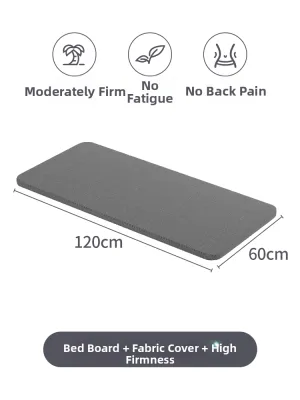
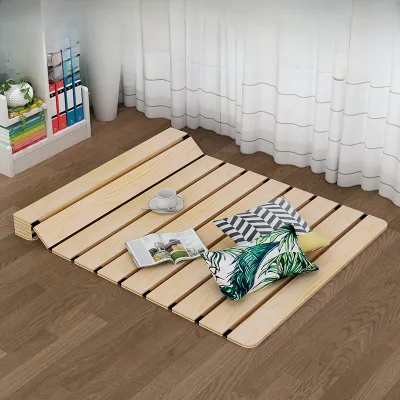
![[SG Seller] Twentyone Single / Super Single Size Bed Pine Wood Plywood Board 12 mm thickness.Free delivery](https://img.lazcdn.com/g/p/c918a6fb2c373dc92807e11deb66fd5d.jpg_400x400q80.jpg_.webp)
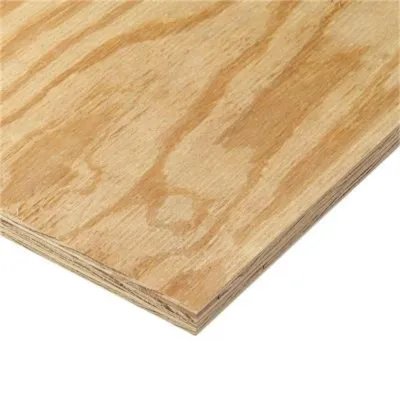

Prices are valid at publication and may change. Please refer to the product page for the latest price.
Checking Bed Plank Spacing and Dimensions
The physical layout and spacing of the bed planks are critical factors in preventing entrapment hazards and ensuring uniform mattress support. Use a standard measuring tape to measure the gaps between each individual bed plank across the entire length of the bed frame. Large gaps between planks can allow a child’s limb to slip through or cause the mattress to sag, which compromises both comfort and safety. As a general guideline, the spacing between planks should align strictly with the manufacturer’s specifications, which typically restrict gaps to prevent any potential head or limb entrapment.

In addition to the gaps, verify that the bed planks provide uniform support across the entire sleeping surface. There should be no large unsupported areas, particularly near the head, foot, or center of the bed where weight is concentrated. If the planks are unevenly spaced or if some have shifted over time, the mattress may bend or slide, creating dangerous gaps between the mattress edge and the bed frame. Ensure that the mattress fits snugly within the frame, leaving no space where a child could become wedged.
Finally, check the physical dimensions of the bed planks, including their thickness and width, against the original product specifications. Unauthorized modifications, such as using thinner planks or reducing the number of slats to save weight, can severely compromise the structural integrity of the bunk bed. If you notice that the planks appear thinner than what is specified in the manual, or if they do not span the full width of the ledger rails, they must be replaced with parts that match the manufacturer’s exact dimensional requirements.
Evaluating Weight Capacity and Structural Support
Evaluating the weight capacity of your child’s bunk bed requires looking at the entire support system as a single cohesive unit. The maximum weight capacity specified by the manufacturer is an absolute limit that must never be exceeded. When calculating the total load on the bed planks, you must factor in the weight of the child, the weight of all bedding, and the weight of the mattress itself. Heavy pocket-sprung or dense latex mattresses can consume a significant portion of the weight limit, leaving less capacity for the occupant.
Inspect the underside of the bunk bed to check for the presence and condition of center support rails or additional reinforcement beams. For larger mattress sizes or bunk beds designed for older children, a central support rail running parallel to the side rails is often required to distribute weight evenly and prevent the bed planks from bowing. Ensure that these reinforcement beams are securely attached to the headboard and footboard, and that they directly contact the underside of the bed planks to provide continuous vertical support.
The thickness and type of mattress you choose also directly affect the safety clearance of the top bunk. A mattress that is too thick will reduce the effective height of the guardrails, increasing the risk of a child rolling over the edge. Check the manufacturer’s guidelines for the maximum allowable mattress thickness, which is often marked by a safety line on the bunk bed frame. Ensure that the combination of the mattress weight and the bed plank system maintains the required safety clearance between the top of the mattress and the top of the guardrails.
Inspecting Installation and Hardware Security
Even the strongest bed planks can fail if they are not correctly and securely attached to the bunk bed frame. Begin your inspection by checking all screws, bolts, and fasteners that secure the bed planks to the ledger rails or side frames. Over time, the natural movement of a child climbing in and out of bed can cause hardware to loosen. Ensure that every fastener is tight, undamaged, and fully seated in its designated hole. If you find loose screws, tighten them carefully using the appropriate hand tools, taking care not to strip the wood or metal threads.
Verify that the bed planks sit completely flush in their designated slots, ledges, or plastic holders. Many modern bunk beds use a system of pre-spaced slots or peg systems to keep the planks from shifting horizontally. The planks must not have excessive lateral or vertical movement when you apply manual pressure. If the planks are free to slide back and forth, they can slip off the supporting ledger rails, causing the entire mattress support system to collapse.
During your inspection, look closely for any missing hardware, stripped screws, or improvised fastening methods. Using mismatched screws, wire, or tape to secure bed planks is highly dangerous and voids the manufacturer’s safety standards. If any original hardware is missing or damaged, do not attempt to use the bed until you have obtained official replacement fasteners from the manufacturer or an authorized distributor.
Warning Signs That Require Immediate Action
Regular visual and physical inspections can help you spot potential failures before they lead to an accident. Examine each bed plank individually for visible signs of physical damage, such as cracks, splinters, deep scratches, or warping. Wood planks are particularly susceptible to environmental changes, such as high humidity levels in Singapore, which can cause the wood to warp or weaken over time. Any plank that shows signs of splitting or structural compromise must be replaced immediately.
Another critical warning sign is excessive sagging or bowing when weight is applied to the sleeping surface. Press down firmly on different areas of the mattress and observe the behavior of the bed planks from underneath. If the planks bend significantly under moderate pressure, they may have lost their structural elasticity and are no longer capable of safely supporting your child’s weight. A sagging foundation also puts extra stress on the bed frame joints, accelerating wear and tear on the entire structure.
Listen carefully for any audible indicators of structural stress when your child moves on the bed. Persistent creaking, popping, or grinding sounds are clear signs of loose joints, failing support points, or friction between the bed planks and the frame. While some minor noise is common in wooden furniture, loud or repetitive squeaking suggests that the hardware needs tightening or that the planks are rubbing against the frame due to misalignment. Do not ignore these sounds, as they often precede a mechanical failure.
Frequently Asked Questions (FAQ)
Can I replace broken bed planks with generic wood from a hardware store?
Replacing broken bed planks with generic timber from a local hardware store is not recommended. Official bed planks are engineered to meet specific standards for flexibility, load distribution, and moisture resistance. Generic wood planks may not have the same structural strength, grain density, or exact dimensions required for your specific bunk bed model. Using non-standard wood can lead to uneven weight distribution, premature cracking, or sudden collapse under load. Additionally, using unauthorized replacement parts typically voids the manufacturer’s warranty and safety certifications. To maintain the structural integrity of the bed, always contact the original manufacturer or an authorized retailer to purchase official replacement bed planks designed specifically for your bunk bed model.
How often should I inspect the bed planks on my child's bunk bed?
You should perform a thorough visual and physical inspection of the bed planks at least once every six months. However, more frequent checks are necessary immediately after initial assembly, after moving the bed to a new location, or when changing the mattress. You should also conduct a comprehensive structural check before transitioning a younger child to the top bunk to ensure all components are secure. Make it a habit to check for loose hardware, shifting planks, and signs of wear as part of your routine household maintenance. Tightening the screws and verifying that the planks sit flush on their ledges will help ensure the long-term safety and stability of the sleeping surface.

Community discussion
Share your experience or ask a question. Comments are reviewed before publication.