
Choosing the right leg riser is a simple yet highly effective way to customize your bed’s height, clear out valuable floor space, and improve overall bedroom ergonomics. Whether you live in a compact Singaporean apartment where under-bed storage is premium real estate or you simply want to make getting in and out of bed easier, selecting the correct specifications is vital for your safety.
To make the right choice, you must balance three critical factors: the height of the lift, the weight capacity of the support units, and the physical shape of your bed frame’s legs. Failing to match these specifications can lead to unstable sleep setups, damaged floors, or even structural collapse.
Decoding Height: How Much Lift Do You Actually Need?
When browsing for a leg riser, height is usually the first specification you will notice. The ideal height depends entirely on what you hope to achieve with your elevated bed.
Products mentioned in this guide
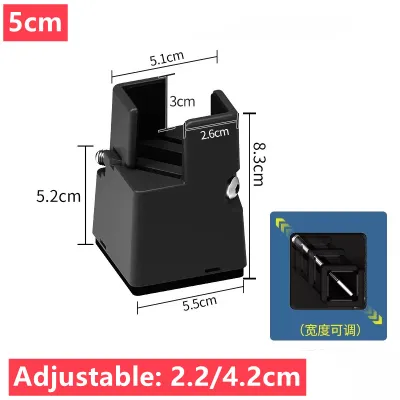
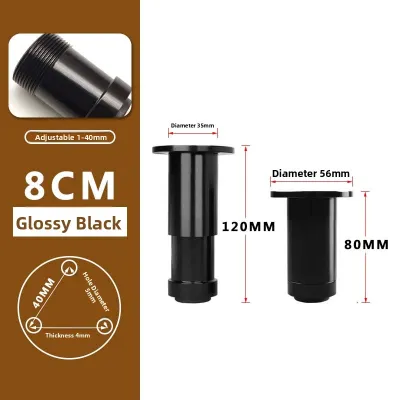
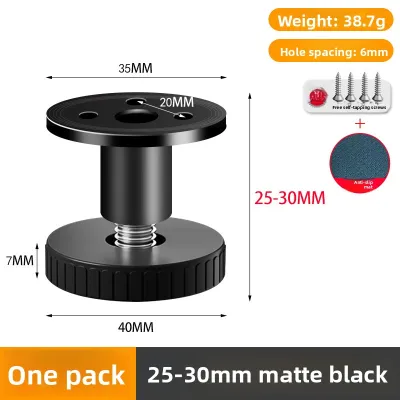
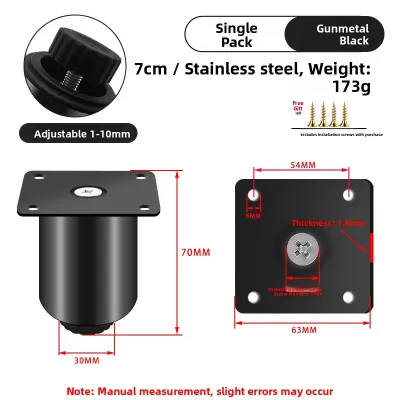
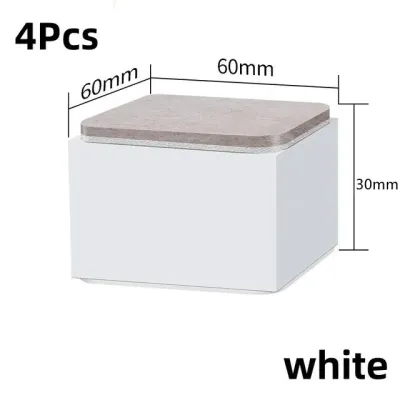
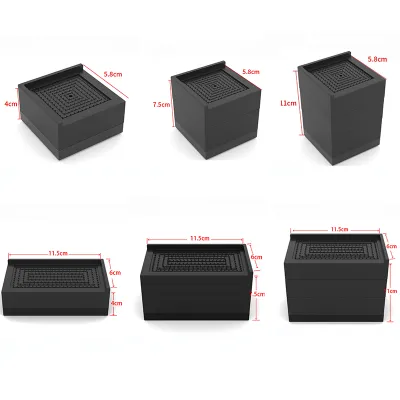
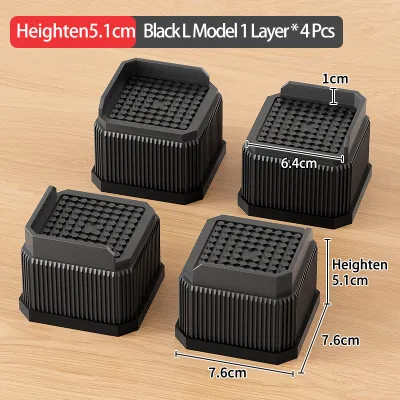
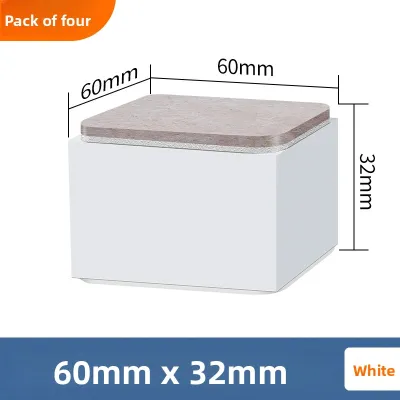
Prices are valid at publication and may change. Please refer to the product page for the latest price.
The 2-to-3-Inch Tier: Ergonomic Comfort A modest lift of 2 to 3 inches is primarily used to adjust the bed’s ergonomics. If your mattress sits too low, sitting down or standing up can place unnecessary strain on your knees and lower back. This slight elevation makes the bed much more accessible for older adults or individuals recovering from injuries, without significantly altering the room’s aesthetic or requiring extra climbing.
The 5-to-8-Inch Tier: Maximizing Storage Space If your goal is to clear clutter, a taller lift of 5 to 8 inches is the standard choice. This range creates generous under-bed clearance, allowing you to slide in bulky luggage, seasonal duvet covers, or plastic storage bins. In space-conscious housing like HDB flats or condominiums, this extra vertical space can effectively replace a small wardrobe or chest of drawers.
Understanding the Stability Trade-Off While a taller lift offers more storage, it also shifts your bed’s center of gravity upward. This elevation increases the lateral leverage exerted on the bed frame joints during daily use. If a bed is raised too high without adequate base support, normal movements like turning over or sitting on the edge can cause the frame to wobble, putting immense stress on the joints and potentially snapping the legs.
The Danger of Stacking Risers You must never stack multiple risers on top of one another to achieve a custom height. Stacking creates highly unstable, nested joints that lack structural integrity. Under the weight of sleepers and shifting forces, stacked units can easily slide apart or tip over, causing sudden frame collapse and potential injury. If you need a specific height, always purchase a single-piece unit manufactured to those exact dimensions.
Understanding Weight Capacity: Matching Your Bed and Sleepers
A leg riser must support far more than just the weight of the sleepers. To prevent sudden structural failure, you need to calculate the absolute maximum load your bed setup will place on these supports.

Calculating Your Total Required Load To find your target capacity, use this straightforward formula:
- Total Weight = Bed Frame Weight + Mattress Weight + Combined Sleeper Weight + Bedding & Accessories
When calculating, do not underestimate the weight of your mattress and bedding. A high-quality queen-sized pocketed spring or natural latex mattress can easily weigh between 40 and 50 kilograms. Combined with a solid wood frame (often 50 kilograms or more), two sleepers, and heavy duvets, the total load can quickly exceed 250 to 300 kilograms.
Reading Set Capacity vs. Per-Riser Capacity When shopping online or in local furniture shops, pay close attention to how manufacturers label weight limits. Some brands list the “total set capacity” (e.g., 500 kilograms for a set of four), assuming the weight is distributed perfectly evenly across all points. Other brands list the capacity “per riser” (e.g., 150 kilograms each). Always read the product specifications carefully to ensure you do not accidentally overload the system by misinterpreting these numbers.
Material Types and Performance Checks Risers are commonly made from heavy-duty molded plastic, solid wood, or cast metal. A set of basic plastic risers typically falls into the budget-friendly S$10 to S$20 price band, while solid wood or heavy-duty metal options can range from S$30 to S$60. While it is tempting to assume that wood or metal is automatically stronger than plastic, high-density molded plastics are engineered to hold massive loads and offer excellent durability. Instead of relying on material assumptions, verify the manufacturer’s certified weight rating and check for reinforced internal ribbing or solid-core construction.
Cup Size and Shape: Ensuring a Secure Leg Riser Fit
Even the strongest, most stable riser will fail if the bed frame’s legs do not fit securely inside it. Matching the physical dimensions of your bed legs to the riser’s top cup is essential to prevent slipping.
Measuring Your Bed Legs Before purchasing, measure the bottom profile of your bed legs. Identify whether they are round, square, or angled (such as tapered mid-century modern legs). Use a precise tape measure or caliper to record the widest point of the leg’s footprint.
Cup Depth and Overhang Risks The top of a high-quality leg riser features a recessed cup or cavity. Your bed leg must sit fully and flatly inside this cavity. If the bed leg is wider than the cup, it will rest on the outer rim, creating an unstable pivot point that can easily slip off. Ensure the internal width and depth of the cup are large enough to accommodate the entire leg footprint with a small margin of clearance, but not so large that the leg slides around excessively.
Floor Protection and Grip Because beds experience constant micro-movements, unshielded risers can easily scratch or gouge delicate flooring like parquet, vinyl, or polished marble. Look for risers that include integrated rubber floor pads or non-slip base grips. These rubberized bottoms serve a dual purpose: they protect your floors from friction damage and prevent the entire bed from “walking” or shifting across the room when you sit down or toss and turn.
Safety and Installation Checks Before You Lift
Installing your new risers requires a systematic approach to ensure your bed frame remains safe and structurally sound over time.
Pre-Installation Frame Inspection Before lifting your bed, inspect the frame itself. Check for hairline cracks in wooden legs, loose screws, or rusted metal brackets. Adding risers increases the leverage and stress on these connection points; if your frame is already structurally compromised, elevating it will only accelerate joint damage.
Managing Center Support Legs Many queen, king, or super-king bed frames feature one or more center support legs beneath the middle of the mattress platform. If your bed has these, you must purchase extra risers of the exact same height for every single center support. Leaving center legs suspended in the air or failing to support them evenly will cause the frame to sag, ruining your mattress and potentially breaking the frame.
Special Rules for Bed Casters If your bed frame has wheels or casters instead of static legs, standard flat-bottom risers are highly unsafe. The wheels can roll within the cup, causing the bed to tip. For wheeled beds, you must purchase specialized caster-compatible risers that feature deep, contoured wheel-wells or built-in locking slots to immobilize the wheels completely.
The Post-Installation Stability Test Once all risers are securely in place, perform a quick stability check before dressing the bed. Gently shake the bed frame from different angles to ensure there is no wobbling or rocking. Verify that all legs sit flat on the floor and bear weight evenly. If your bedroom floor is slightly uneven, use manufacturer-approved shims or adjustable risers to level the setup perfectly.
Frequently Asked Questions (FAQ)
Can I stack bed leg risers to get more height?
No, you should never stack bed risers. Stacking creates an unstable, multi-tiered joint that cannot safely withstand lateral forces. The top riser can easily slide off or tip over when you get into bed, leading to a sudden collapse, property damage, or physical injury. If you need more height, purchase a single-piece leg riser designed specifically for that height.
Do bed risers work on beds with wheels or casters?
Yes, but only if you use specialized risers. Standard flat-bottom risers allow wheeled legs to roll and slip, presenting a major safety hazard. For beds with wheels, select risers that feature deep, recessed caster cups, high retaining walls, or locking inserts that hold the wheel securely in place.
Community discussion
Share your experience or ask a question. Comments are reviewed before publication.