
Choosing the right bed headboard for a Singapore HDB bedroom requires balancing personal style with strict spatial realities. The ideal headboard setup depends entirely on your specific room dimensions, layout constraints, and structural wall types rather than a single brand name. To maximize limited floor area, prioritize furniture brands that offer slim profiles, floating or wall-mounted designs, or customizable widths. Before making a purchase, always verify the exact product dimensions against your measured wall space and check your home’s delivery access pathways.
Understanding Space Constraints in HDB Bedrooms
Modern HDB flats, particularly Build-To-Order (BTO) units, feature highly optimized bedroom layouts where every square meter counts. Master bedrooms typically range from 10 to 12 square meters, while common bedrooms are often smaller, around 8 to 9 square meters. In these compact spaces, introducing a bulky bed frame or an oversized headboard can quickly compromise the room’s functionality and flow.
One of the most common spatial challenges is maintaining a clear walking path around the bed. A standard layout requires at least 50 to 60 centimeters of clearance on the sides and foot of the bed to allow for comfortable movement. If your headboard is too thick, it pushes the entire bed forward, potentially blocking the swing doors of built-in wardrobes or restricting access to the master bathroom.
Products mentioned in this guide
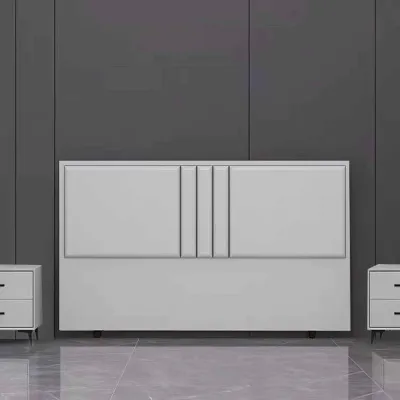
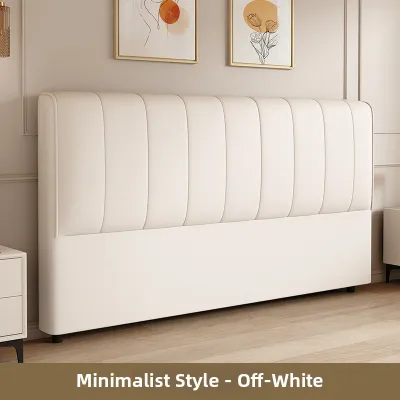
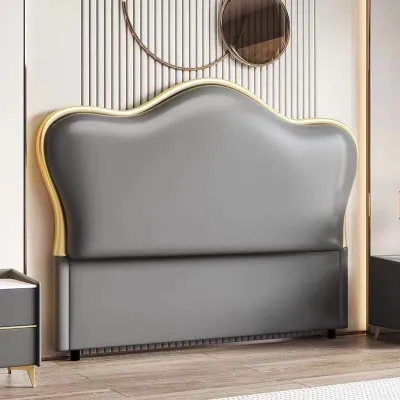
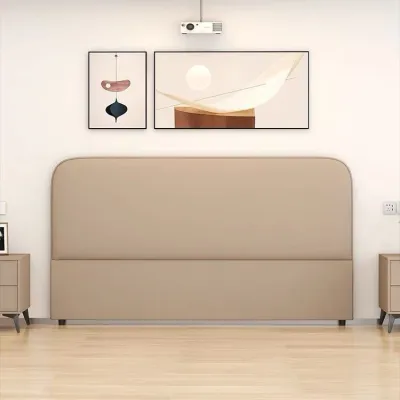
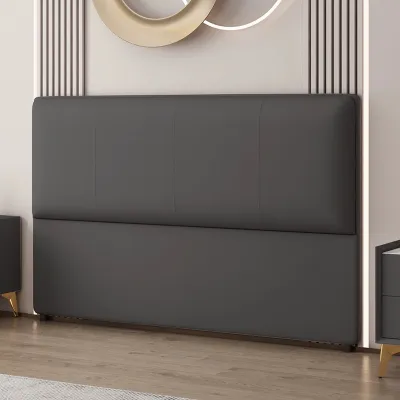
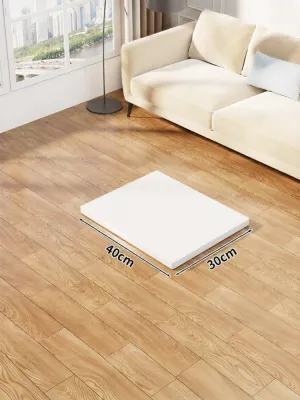
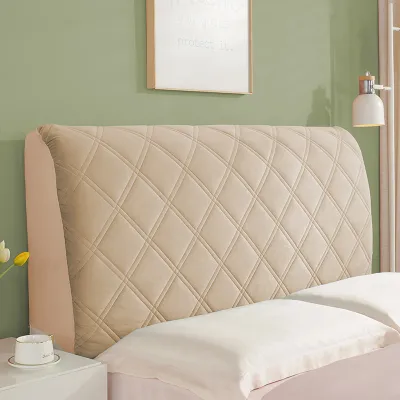
Prices are valid at publication and may change. Please refer to the product page for the latest price.
Window placements and structural elements also dictate where your bed can sit. Many HDB bedrooms feature three-quarter or full-height windows that limit the height of any furniture placed against them. Additionally, prominent air-conditioner trunking running along the top of the wall or in corners can prevent a tall headboard from sitting flush against the wall, leaving awkward gaps that collect dust.
Electrical outlets and light switches are another critical constraint. In most HDB layouts, power points are pre-installed on the main bed wall. A thick, solid headboard can completely block these sockets, forcing you to run unsightly extension cords or lose access to essential charging points. Mapping out these physical limitations on a floor plan is the first step to identifying which headboard styles are physically viable.
Critical Dimensions to Measure Before Comparing Brands
Before browsing online catalogs or visiting local furniture showrooms, you must compile a precise list of measurements. Relying on generic size labels like “Queen” or “King” is a common mistake, as outer dimensions vary significantly between different manufacturers and styles.

First, measure the exact width of the wall where the bed will be positioned. When doing this, do not measure from wall to wall at chest height; instead, measure along the floor and account for skirting boards. HDB skirting boards typically protrude 1.5 to 2 centimeters from the wall. If your headboard is wider than the gap between the skirting boards, it will not sit flush, creating a structural gap. You must also subtract the space required for curtains or blinds, which can require 10 to 15 centimeters of depth when fully drawn.
Second, evaluate the headboard thickness, also known as its depth. This is the single most critical dimension for preserving floor space. A traditional deep-tufted or heavily padded headboard can easily measure 15 to 25 centimeters in thickness. In a narrow bedroom, choosing a slim profile of 5 to 10 centimeters can reclaim valuable centimeters, making the difference between a wardrobe door that opens fully and one that hits the edge of the mattress.
Third, measure the height restrictions of your room. Note the distance from the floor to the bottom of any windowsills, low-hanging structural beams, or air-conditioning units. If you plan to install a tall headboard, ensure it does not block natural light, cover ventilation units, or interfere with the operation of window handles.
Finally, do not forget to measure your home’s delivery access route. A massive, single-piece king-size headboard must be transported from the delivery truck to your bedroom. Measure the height and width of the HDB passenger lift door, the interior lift cabin, your front door, and any tight corridor corners. If a product cannot clear these entry points, you may face failed delivery charges or steep manual lifting fees for stairwell carriage.
Comparing Headboard Styles for Compact HDB Layouts
Different headboard designs interact with compact floor plans in distinct ways. Understanding the structural characteristics of each style allows you to filter out incompatible options and focus on designs that actively solve your space constraints.
Floating and Wall-Mounted Designs
Floating or wall-mounted headboards are secured directly to the wall rather than resting on the floor or attaching to the bed frame. By separating the headboard from the bed base, you eliminate the bulky legs and integrated brackets that typically push a bed away from the wall. This creates a visually lighter aesthetic and keeps the floor completely clear, making it much easier to vacuum and maintain hygiene.
However, wall-mounted designs require careful structural consideration. You must verify the composition of your bedroom wall before drilling. HDB walls are either solid concrete (such as structural columns or household shelter walls) or lightweight concrete partition walls. Mounting a heavy headboard on a partition wall requires specialized heavy-duty drywall anchors or professional installation to ensure the weight is distributed safely without damaging the plasterboard.
Slim Upholstered and Wooden Panels
Slim upholstered panels and flat wooden headboards offer the most space-efficient profiles on the market. Wooden panels, often crafted from engineered wood, oak veneer, or solid teak, typically measure just 2 to 5 centimeters in thickness. They provide a clean, minimalist look that aligns well with modern interior themes like Japandi or Scandinavian design.
Slim upholstered panels, usually 5 to 8 centimeters thick, offer a compromise between comfort and space efficiency. They feature a thin layer of high-density foam wrapped in fabric, linen, or easy-to-clean faux leather. The primary trade-off with these ultra-thin designs is comfort; while they save maximum floor space, they do not offer the plush, sink-in back support of thicker, deeply padded headboards when you are sitting up to read or watch television.
Headboards with Built-in Storage or Shelves
Storage headboards feature integrated shelving, hidden compartments, or pull-out side drawers. In extremely narrow HDB bedrooms where there is no physical space to place traditional bedside tables on either side of the bed, a storage headboard can serve as an excellent multi-functional alternative. It provides a convenient ledge for phones, glasses, and alarm clocks without expanding the width of your sleeping zone.
Despite their utility, storage headboards come with a significant spatial cost. Because they must accommodate shelves or compartments, these headboards are exceptionally deep, often measuring between 20 and 35 centimeters. This added depth pushes your mattress further into the room, which can severely restrict walking clearance at the foot of the bed. This style is only recommended if your bedroom has surplus length and you are prepared to eliminate standalone bedside tables entirely.
How to Assess Headboard Brands for Compact Spaces
When evaluating furniture brands for an HDB bedroom, look beyond aesthetic appeal and price points. A brand’s suitability for compact living is determined by its transparency, customization options, and logistical services.
First, check if the brand publishes detailed, dimensioned technical drawings for their products. Reliable brands do not just list “Queen Size” on their product pages; they provide comprehensive diagrams showing the exact height, width, and depth of the headboard, along with the positioning of any mounting brackets or legs. This level of detail is essential for verifying whether the unit will clear your skirting boards, light switches, and air-con trunking.
Second, prioritize brands that offer modular or customizable configurations. Some manufacturers allow you to purchase individual upholstered wall panels that can be arranged in various layouts. This modular approach lets you build a headboard that fits perfectly around existing wall fixtures, or extend the panels horizontally behind bedside tables to create a seamless, built-in look. Other local brands offer bespoke carpentry services, allowing you to specify the exact thickness and height of the headboard to match your room’s unique dimensions.
Third, carefully review the brand’s delivery, assembly, and return policies. For wall-mounted designs, check if the brand’s installation team is authorized to drill into HDB walls and whether they provide the correct mounting hardware for your specific wall type. Ensure the brand offers a clear return or exchange policy in case the headboard does not fit your space due to unforeseen structural obstructions, though note that custom-made or bespoke items are typically non-refundable.
Decision Framework: Choosing Your Ideal Headboard Setup
To make a confident final decision, apply this conditional framework based on your specific room conditions and lifestyle priorities:
- Choose a floating or wall-mounted design if floor clearance is your absolute priority, you want an easy-to-clean bedroom, and you have a solid concrete wall capable of supporting drilled brackets.
- Opt for slim wooden or lightly padded panels if you need to maximize the walking path at the foot of the bed and require a low-profile solution that sits flush against the wall.
- Select an integrated storage headboard if your bedroom layout is long but narrow, allowing you to sacrifice some bed length in exchange for eliminating bulky bedside tables.
- Avoid standard headboards altogether if your bed must sit directly beneath a low window, in front of active air-con trunking, or over essential light switches that cannot be relocated.
Before finalizing your order, run through this quick verification checklist:
- Rental Restrictions: If you are renting your HDB flat, verify if your landlord permits drilling for wall-mounted headboards. If not, stick to floor-standing or bed-frame-attached models.
- Power Point Access: Measure the height of your wall sockets. Ensure the headboard does not cover them, or choose a model with a hollow back or built-in cable management cutouts.
- Wall Type: Confirm whether your target wall is concrete or drywall to ensure you purchase the correct mounting anchors and screws.
Once you have selected a compatible style and verified your measurements, confirm the delivery details with the retailer. Clear a wide path from your home’s main entrance to the bedroom, removing any loose rugs, shoe racks, or decorative items to ensure a smooth, damage-free installation process.
Frequently Asked Questions (FAQ)
Can I mount a heavy headboard on an HDB drywall partition?
Mounting a heavy headboard directly onto an HDB drywall partition wall requires caution. Unlike solid concrete structural walls, drywall partitions consist of plasterboard sheets mounted over a hollow metal or wooden frame. They have limited load-bearing capacity and can crack or sag under concentrated weight. If you wish to install a wall-mounted headboard on drywall, you must locate the internal vertical studs using a stud finder and secure the mounting brackets directly into these studs. If the studs do not align with your headboard’s mounting points, you must use specialized heavy-duty hollow-wall toggle bolts. For very heavy upholstered or solid wood headboards, it is highly recommended to consult a professional contractor or choose a floor-standing model to prevent structural damage.
Do I need to reroute electrical sockets if my headboard covers them?
Trapping electrical sockets directly behind a heavy, flush-mounted headboard is a safety hazard. Plugs forced into tight spaces can bend at sharp angles, damaging the internal wiring and increasing the risk of electrical short circuits or fires. It also prevents you from quickly unplugging devices in an emergency. If your headboard covers your sockets, you do not necessarily need to pay for expensive electrical rewiring. Instead, look for headboards designed with a hollow back cavity or built-in cable access cutouts that allow plugs to sit safely without being crushed. Alternatively, you can hire a licensed electrical worker to safely relocate the sockets further up the wall or install a slim, surface-mounted extension conduit that runs along the side of your bed frame.
Community discussion
Share your experience or ask a question. Comments are reviewed before publication.