
Selecting the right bed head—commonly known as a headboard—is a defining decision for any bedroom. In Singapore’s unique housing landscape, this choice requires balancing personal design preferences with high relative humidity, compact bedroom layouts, and specific structural considerations. A well-chosen headboard serves as a comfortable backrest, an acoustic buffer, and the visual anchor of your room, while an incompatible one can disrupt wardrobe door clearance, harbor moisture, or fail to fit through standard HDB lifts.
This guide compares the primary headboard styles and materials available across popular retail channels in Singapore. By understanding the structural differences, material performance characteristics, and installation requirements, you can confidently select a bed head that matches your aesthetic and fits seamlessly into your home.
Quick Answer: Which Bed Head Style and Brand Type Fits Your Bedroom?
To narrow down your search quickly, consider how your aesthetic goals, spatial constraints, and maintenance preferences align with the primary retail categories in the Singapore market.
Products mentioned in this guide
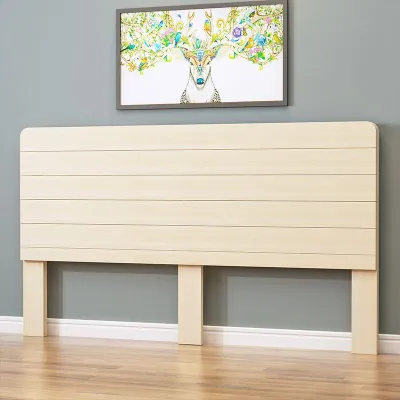
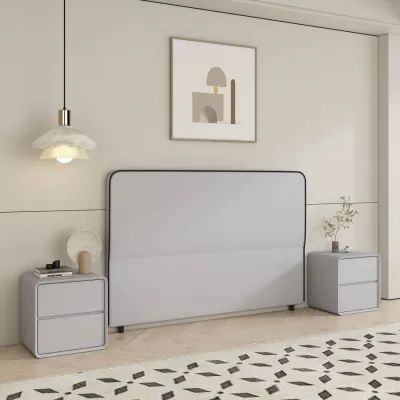
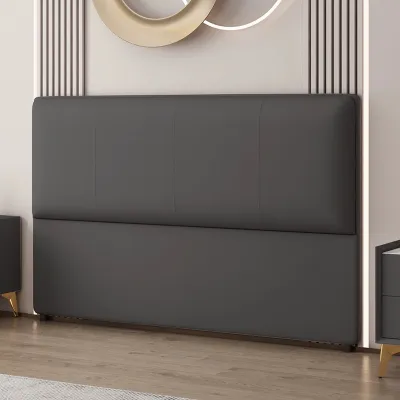
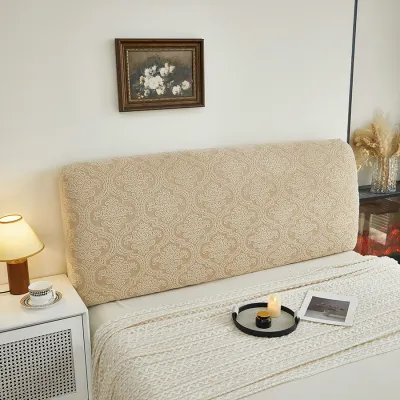
Prices are valid at publication and may change. Please refer to the product page for the latest price.
- Choose an upholstered bed head from an online direct-to-consumer (DTC) or marketplace brand if: You prioritize plush comfort for sitting up in bed, desire sound-dampening qualities, prefer a soft or modern aesthetic, and are working with standard Singapore mattress sizes (Single, Super Single, Queen, or King) that fit within standard HDB bedroom dimensions.
- Choose a solid wood or rattan bed head from a local specialty or boutique brand if: You want a tropical, Japandi, or minimalist aesthetic, require maximum breathability to combat Singapore's high humidity, or need bespoke dimensions and integrated storage to optimize a tight or awkwardly shaped layout.
- Choose an international or premium showroom brand if: You are seeking a highly distinct design signature, proprietary high-performance fabrics, or heavy-duty construction, and have a more generous bedroom footprint that can accommodate larger frame dimensions.
Regardless of your initial preference, always verify the exact finished dimensions, current stock availability, delivery lead times, and specific care instructions on the brand’s official website before making a purchase. Material names alone do not guarantee performance; verifying these specifications ensures a long-lasting, hassle-free addition to your bedroom.
Popular Bed Head Styles and Their Design Impact
The shape, structure, and visual weight of your bed head dictate the overall atmosphere of your bedroom. Understanding the design impact and physical footprint of each style is the first step in narrowing your choices.

Upholstered Bed Heads (Fabric and Leatherette)
Upholstered headboards are highly favored for their ability to introduce softness, warmth, and luxury into a sleeping space. They function as an excellent cushioned backrest for those who enjoy reading, working, or watching television in bed, while also providing a mild sound-dampening effect against shared apartment walls.
- Tufted Designs: Featuring deep buttoning or diamond-patterned stitching, tufted headboards offer a classic, elegant appearance. However, the deep crevices can accumulate dust and lint over time, requiring regular vacuuming with a brush attachment.
- Channel-Panel Designs: Utilizing vertical or horizontal stitched panels, channel tufting creates clean, modern lines. Vertical channels can visually elongate the wall, making low HDB ceilings feel higher, while horizontal channels create a wider, more grounded look.
- Wingback Designs: These feature side panels that wrap around the head of the bed, creating a cozy, enclosed feel. While visually striking, wingbacks add significant lateral width to the bed frame, which can restrict placement next to bedside tables or wardrobe doors in narrow rooms.
Because upholstered options rely on internal padding (usually polyurethane foam), they tend to be much thicker than wood or metal alternatives. A heavily padded headboard can easily add 15cm to 25cm to the overall length of your bed frame, potentially obstructing walk paths in compact bedrooms.
Wooden, Rattan, and Mixed-Material Bed Heads
For homeowners seeking a more structured, organic, or space-saving design, non-upholstered headboards offer excellent durability and a much slimmer physical profile.
- Solid Wood and Engineered Wood Panels: These headboards feature clean lines and a very slim depth, often measuring just 2cm to 5cm thick. This makes them highly efficient for tight spaces where every centimeter of floor clearance matters. They provide a sturdy, minimalist aesthetic that complements Scandinavian, industrial, or mid-century modern interiors.
- Rattan and Cane Webbing: Known for their lightweight, textured appearance, rattan headboards are ideal for tropical, coastal, or Japandi design themes. The open weave of cane webbing allows light and air to pass through, reducing the visual weight of the bed and making small rooms feel more spacious. Additionally, rattan does not trap heat, making it highly comfortable in Singapore's tropical climate.
- Mixed-Material Designs: These styles combine the structural rigidity of a wooden frame with soft fabric or woven rattan inserts. This hybrid approach offers the best of both worlds: the structural integrity and space-saving benefits of wood, paired with the tactile comfort of upholstery where your head and back rest.
Material Breakdown: What to Verify on the Product Label
To ensure your bed head withstands daily wear and Singapore’s humid climate, you must look beyond marketing descriptions and carefully evaluate the technical specifications on the product label or manufacturer’s spec sheet.
Evaluating Upholstery Materials
If you opt for an upholstered bed head, the choice of outer material directly impacts maintenance, hygiene, and longevity. You should verify three key specifications before buying.
- Abrasion Resistance (Martindale Rub Count): This metric measures how much friction a fabric can withstand before showing signs of wear. For a residential bed head, look for a Martindale rating of at least 15,000 to 20,000 rubs. If you have pets that might scratch the headboard, aim for a heavy-duty rating of 30,000 rubs or higher.
- Fabric Treatments and Washability: Check if the fabric has been treated with a liquid-repellent or stain-resistant coating. This prevents sweat, hair oils, and accidental spills from sinking into the foam. Additionally, verify if the headboard features a removable, dry-cleanable cover, which is highly beneficial for allergy sufferers.
- Leatherette (PU vs. PVC vs. Microfiber Leather): Synthetic leathers are easy to wipe clean, but cheap polyurethane (PU) can undergo hydrolysis—a chemical breakdown caused by moisture and sweat—leading to cracking and peeling within a few years in humid environments. Look for high-grade PU with an explicit anti-peeling warranty, or opt for microfiber leather, which offers superior breathability and durability. Avoid PVC if you dislike a stiff, plasticky feel that traps heat.
Always check the manufacturer’s care label for approved cleaning methods. Avoid using harsh household detergents on treated fabrics or synthetic leathers, as these can strip away protective coatings and accelerate material degradation.
Assessing Wood and Rattan Construction
For wood and rattan headboards, structural stability and resistance to moisture-related warping are paramount.
- Solid Wood vs. Engineered Wood Cores: Solid hardwoods like teak, oak, and walnut are exceptionally durable and age beautifully, but they are heavy and require proper kiln-drying to prevent warping in humid conditions. Engineered wood, such as high-density fiberboard (HDF) or plywood finished with a natural wood veneer, is highly stable, lightweight, and less prone to moisture-induced expansion. However, you must inspect the edge-banding quality; poorly sealed edges can allow humidity to penetrate, causing the inner core to swell and delaminate.
- Rattan Quality and Finish: Inspect the tension of the rattan weave. It should feel taut and spring back when lightly pressed, without loose strands or sharp splinters. Ensure the manufacturer has applied a protective clear polyurethane lacquer or sealant. This protective coat prevents the natural fibers from absorbing atmospheric moisture, which can lead to mold, mildew, and structural weakening.
- Internal Frame Materials: For upholstered headboards, the hidden internal frame dictates the product's lifespan. Verify if the frame is constructed from kiln-dried hardwood (such as rubberwood or birch) rather than cheap, untreated softwoods like standard pine. Kiln-drying removes moisture from the wood, preventing the frame from warping, squeaking, or harboring fungal growth inside the upholstery layers.
How Different Brand Categories Approach Bed Heads in Singapore
Furniture retailers in Singapore cater to different spatial needs, budgets, and design preferences. Understanding how these brand categories approach headboard design will help you target the right stores.
- Online DTC and Marketplace Brands: These retailers excel at offering trendy, standardized designs at accessible price points. They typically focus on standard Singapore sizes (Single, Super Single, Queen, King) with streamlined, flat-packed construction for fast delivery and easy assembly. While highly convenient, they offer little to no customization. If your bedroom has an awkward layout, a structural pillar, or low-hanging window sills, standard online options may not fit perfectly.
- Local Custom Carpentry and Boutique Brands: If you face severe space constraints or want a highly specific look, local boutique brands and custom carpenters offer tailored solutions. They can design a bed head to fit your exact wall dimensions, customize the height to clear power sockets, or integrate functional features like recessed LED strip lighting, flip-down storage compartments, and floating bedside tables. While this maximizes spatial efficiency in tight HDB layouts, it comes with longer lead times (often 4 to 8 weeks) and a higher financial investment.
- International and Premium Showroom Brands: These brands focus on exclusive, designer aesthetics and premium, proprietary materials. Their headboards often feature generous proportions, deep padding, and high-end detailing. However, because many of these brands originate in Europe or the United States, you must carefully verify their sizing standards. A "King" or "Queen" bed frame from an international brand may differ by several centimeters from standard Singapore mattress dimensions, potentially leading to alignment issues.
Crucial Space and Installation Checks for Singapore Homes
Before finalizing your purchase, you must perform several physical checks to ensure the bed head can be successfully delivered, installed, and used in your specific bedroom.
- Skirting Board Clearance: Most Singapore homes feature skirting boards running along the base of the walls, typically measuring 1cm to 2cm thick and 7cm to 10cm high. If a floor-standing headboard does not have a bottom cutout or recessed legs, the skirting board will prevent the headboard from sitting flush against the wall. This creates an unsightly gap where pillows, phones, and dust can accumulate. Verify if the headboard design accounts for skirting clearance.
- Wall-Mounted vs. Freestanding Anchoring: Wall-mounted headboards offer a sleek, floating look but require drilling. In Singapore, bedroom walls are often made of dense pre-cast concrete or structural column material. Drilling into these walls requires a heavy-duty rotary hammer drill and appropriate masonry wall plugs. You must also use a wall scanner to verify that no concealed electrical conduits (especially near light switches) or air-conditioning drain pipes are present in the drilling zone. If you are renting or prefer not to drill, opt for a freestanding headboard that anchors directly to the bed frame.
- Delivery and Access Routes: Large, rigid, or single-piece upholstered headboards (particularly King or Super King sizes) can be incredibly difficult to maneuver. Measure the height and width of your apartment's entry door, the clearance of tight corridor corners, and the internal dimensions of your estate's passenger lift. If the headboard cannot fit into the lift, delivery teams may have to carry it up the stairs, which often incurs steep manual handling fees or may even result in a failed delivery.
Final Selection Checklist
To ensure your new bed head is a perfect fit for your home, run through this final checklist before placing your order:
- [ ] Aesthetic Alignment: Does the style (upholstered, wood, rattan) complement your existing bedroom decor and color palette?
- [ ] Dimension Verification: Have you measured the total height, width, and depth of the headboard, ensuring it clears light switches, power outlets, and wardrobe doors?
- [ ] Skirting Board Compatibility: Does the headboard sit flush against the wall, or does it feature a cutout to accommodate your wall skirting?
- [ ] Material Care and Climate Suitability: Are the upholstery fabrics stain-resistant? Does the synthetic leather have an anti-peeling warranty? Is the wood or rattan properly sealed against humidity?
- [ ] Installation Requirements: Do you have the tools and structural permission to mount it to the wall, or will it anchor securely to your existing bed frame?
- [ ] Delivery Access: Have you verified that the packaged product can fit through your front door, corridors, and passenger lift?
- [ ] Policy Review: Have you confirmed the brand's delivery fees, assembly services, warranty terms, and return policies on their official website?
Taking the time to measure your space accurately and verify technical specifications against your household’s lifestyle ensures that your bed head remains a beautiful, functional, and durable centerpiece of your bedroom for many years to come.
Community discussion
Share your experience or ask a question. Comments are reviewed before publication.