
Choosing the right foot rest stool is a simple yet highly effective way to elevate your daily comfort and complete your living room setup. The decision between a flexible bean bag foot rest and a traditional rigid foot rest stool ultimately depends on whether you prioritize adaptive, body-contouring relaxation or structured, multi-functional support. While bean bag foot rests excel in casual, lightweight comfort that molds to your feet, traditional stools offer a stable, firm platform that can double as extra seating or a side table. By evaluating your daily habits, available floor space, and existing interior decor, you can easily determine which style will integrate seamlessly into your home.
The Core Differences Between Bean Bag and Traditional Foot Rest Stools
At their core, these two types of foot rests represent entirely different design philosophies and construction methods. A bean bag foot rest is a soft, unstructured cushion filled with small polystyrene beads, expanded polypropylene (EPP), or shredded foam. This pliable filling allows the foot rest to shift and conform to the exact shape of your heels, ankles, or calves, providing a customized, pressure-relieving surface. Because they lack a rigid internal frame, bean bag options are exceptionally lightweight, easy to toss from one corner to another, and completely free of sharp edges that could cause accidental bumps.
In contrast, a traditional foot rest stool is a structured, rigid piece of furniture built with a solid frame made of wood, metal, or durable plastic. The top surface is typically flat and may be upholstered with fabric, leather, or left as a solid hard surface. This rigid construction provides a stable, unyielding platform that keeps your feet at a constant height and angle. Because of this structural integrity, many traditional stools are robust enough to serve secondary purposes, such as an extra seat for guests, a step stool for reaching high shelves, or a steady surface to place a tray.
Products mentioned in this guide
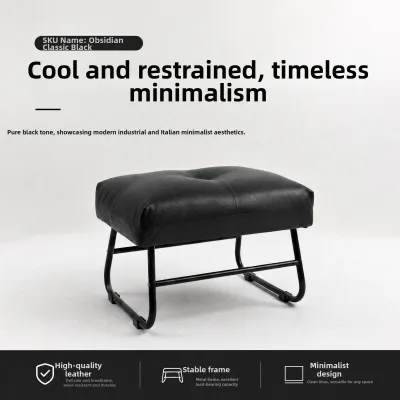
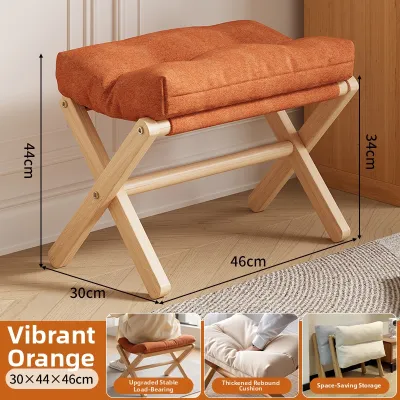
7 Lazada user ratings
🎨Design:Multi-functional use, 🛏️Comfort:Solid wood construction, 👜Portability:Light and portable
Comfortable sofa pad, Ideal for office use, Comfortable sofa pad, Multi-functional use,
easy to assemble. took almost 1 month to reach. abit low. but overall not too bad.
Item in factory packing received in good condition.
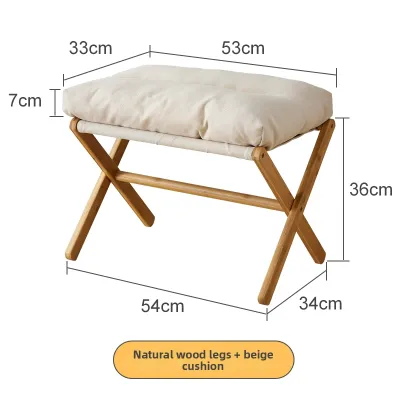
55 Lazada user ratings
Pretty good, I really like it, perfect for watching TV.
Great value and fits well with my home lounge chair.
The quality is pretty good.
The quality is good.
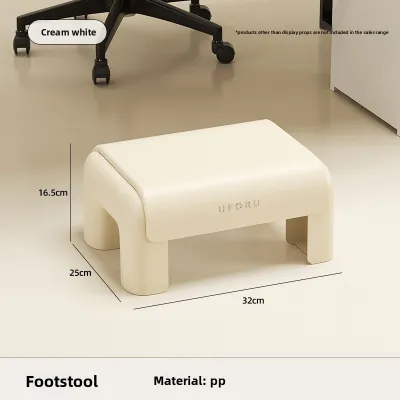
234 Lazada user ratings
This stool looks nice, but it’s a bit slippery and squeaks when you step on it. I need to use it to hang clothes on my high balcony, and I'v…Read full reviewShow less
This stool looks nice, but it’s a bit slippery and squeaks when you step on it. I need to use it to hang clothes on my high balcony, and I've had a few close calls with slipping, which is quite risky. It doesn't seem as functional as the older model I had.
I bought this to use as a footstool in my office, but my cat got on it first, haha! It feels really good overall, and the height is just rig…Read full reviewShow less
I bought this to use as a footstool in my office, but my cat got on it first, haha! It feels really good overall, and the height is just right to relax and take some pressure off my legs.
The thin plastic edges are sharp and can easily scratch your hand. The quality is quite average, and it's not clean. The foot of the stool w…Read full reviewShow less
The thin plastic edges are sharp and can easily scratch your hand. The quality is quite average, and it's not clean. The foot of the stool wasn't finished and almost scratched my hand.
This stool is really handy to use, making things smoother, and it's of great quality. It's safe for kids to climb on.
The texture is great, it holds weight well, the color is nice, and the style is simple and cute.
Prices are valid at publication and may change. Please refer to the product page for the latest price.
To help you visualize the fundamental differences between these two seating accessories, the table below outlines their key attributes across general product categories:
| Feature | Bean Bag Foot Rest | Traditional Foot Rest Stool |
|---|---|---|
| Primary Material | Fabric cover with bead or foam filling | Wood, metal, or plastic frame with optional upholstery |
| Firmness Level | Soft, moldable, and adaptive | Firm, structured, and unyielding |
| Weight & Portability | Extremely lightweight and easy to carry | Moderate to heavy; stable but less portable |
| Primary Cleaning Method | Removable cover machine wash or spot clean | Wipe down hard surfaces; vacuum or spot clean upholstery |
| Multi-functional Use | Foot rest or low floor cushion only | Foot rest, extra seat, side table, or step stool |
Key Comparison Factors for Your Living Space
Selecting the ideal foot rest stool requires looking beyond aesthetics to consider how the item will function in your daily life. Your choice will affect your physical posture, how easily you can clean your living area, and how much physical space is left for walking around. By breaking down the comparison into specific, practical categories, you can make an informed decision that aligns with your household’s unique routine.

Comfort and Posture Support
The way a foot rest supports your lower limbs plays a significant role in your overall comfort during long periods of sitting. A bean bag foot rest offers a highly adaptive experience because the internal beads shift dynamically under weight. When you rest your feet on a bean bag, the surface contours to the natural curve of your arches and ankles, distributing pressure evenly across your lower legs. This soft, enveloping sensation is highly effective for relieving tension after a long day, as it eliminates hard pressure points. However, because the filling shifts, a bean bag does not maintain a single, fixed height, which may require you to occasionally fluff or adjust the bag to keep your legs at your preferred elevation.
A traditional foot rest stool, on the other hand, provides a firm and reliable platform that maintains a consistent height and angle. This structural stability is ideal for individuals who want to maintain a specific ergonomic posture while working or reading. A flat, unyielding surface allows you to rest your feet flat, which helps align your hips and spine correctly. Many traditional stools are designed with specific ergonomic angles to reduce strain on the lower back and thighs. If you require consistent, predictable support that does not sag or shift over time, a traditional stool is generally the more supportive option. When shopping, it is beneficial to check the manufacturer’s specifications for height measurements and test different firmness levels to find what suits your body best.
Space Efficiency and Portability
In modern living environments where floor space is often limited, the physical footprint and portability of your furniture are crucial considerations. Bean bag foot rests are incredibly space-efficient due to their lightweight nature and flexible exterior. If you need to clear the floor for vacuuming or to create more walking space, you can easily pick up a bean bag with one hand and toss it onto a sofa, tuck it under a desk, or store it in a closet. Because they lack rigid corners, they can be squeezed into tight corners or pushed against other furniture without risk of scratching surfaces or causing damage.
Traditional foot rest stools have a fixed, unyielding footprint that cannot be compressed or easily tucked away unless they are specifically designed to slide under a matching armchair. While they are heavier and more difficult to move around frequently, their rigid structure offers unique space-saving advantages of its own. Many traditional stools are designed with built-in storage compartments under a lift-off lid, allowing you to hide blankets, remote controls, or books. Additionally, because they can support significant weight, a sturdy wooden or metal stool can double as a side table for a drink tray or serve as an extra seat when you have visitors. Before making a purchase, it is highly recommended to measure your available floor space and compare it against the product’s exact dimensions to ensure a comfortable fit.
Durability and Daily Maintenance
The long-term value of your foot rest depends heavily on the materials used and the amount of maintenance required to keep it looking fresh. Bean bag foot rests are subject to unique wear patterns over time. The outer covers are typically made of durable fabrics like canvas, cotton, polyester, or faux leather. Many models feature removable, machine-washable covers, making them highly practical for households with pets or young children where spills are common. However, the internal polystyrene beads will naturally compress over months or years of regular use, causing the bean bag to lose its loft and firmness. To maintain its supportive qualities, you will eventually need to purchase refill beads and manually replenish the filling, which is an ongoing maintenance task unique to this style.
Traditional foot rest stools are generally built for long-term durability, relying on robust frames made of solid wood, engineered wood, or metal. Cleaning a traditional stool is often as simple as wiping down the hard wooden or metal surfaces with a damp cloth. If the stool features upholstered fabric, it may require occasional vacuuming or spot treatment with a mild fabric cleaner. Unlike bean bags, traditional stools do not lose their shape or require filling refills, making them a low-maintenance option over their lifespan. However, you should periodically inspect the joints, screws, or legs of a traditional stool to ensure they remain tight and stable, especially if the stool is frequently used as a seat or step stool. Always review the manufacturer’s care labels and warranty terms to ensure you are using the correct cleaning methods for your specific model.
Aesthetics and Room Integration
The visual impact of your foot rest stool can either harmonize with your existing decor or create a jarring contrast. Bean bag foot rests naturally project a casual, relaxed, and cozy vibe. They are available in a wide array of textures, including soft corduroy, plush velvet, rugged canvas, and sleek faux leather, allowing you to add a tactile element to your room. Because of their soft contours, bean bags excel in informal spaces, playrooms, cozy reading nooks, or modern, bohemian-style living rooms where comfort is the primary design goal.
Traditional foot rest stools offer a more structured silhouette that can easily match formal, minimalist, or classic interior designs. A wooden stool with tapered legs can complement mid-century modern furniture, while an upholstered tufted ottoman can add a touch of elegance to a traditional living room. Because they are often designed as part of larger furniture collections, it is relatively easy to find a traditional stool that perfectly matches the wood finish or upholstery fabric of your existing armchairs or sofa. When deciding on the visual style, take a moment to consider the dominant colors, wood tones, and materials already present in your room to ensure your new foot rest feels like an intentional addition to the space.
Decision Framework: Which Foot Rest Stool Suits You?
To make your final decision straightforward, consider how your daily habits and physical environment align with the unique characteristics of each foot rest style.
Choose a bean bag foot rest if:
- You prioritize adaptable comfort: You prefer a soft, moldable surface that cradles your feet and ankles without creating hard pressure points.
- Your space is casual and relaxed: You want to create a cozy, informal atmosphere in a living room, bedroom, or playroom.
- Portability is essential: You frequently rearrange your furniture, need to move the foot rest between rooms, or want something lightweight that can be easily lifted and stored away.
- Safety is a priority for active spaces: You want to avoid hard corners and rigid frames in areas where children or pets play.
Choose a traditional foot rest stool if:
- You need firm, structured support: You require a stable, flat platform to maintain a specific ergonomic posture during long sitting sessions.
- You want a multi-functional piece of furniture: You need an accessory that can double as an extra seat, a side table, a storage chest, or a sturdy step stool.
- You prefer a formal or classic aesthetic: You want a structured silhouette that matches the clean lines, wood finishes, or upholstery of your existing furniture set.
- You want low-maintenance durability: You prefer an item that will never require refilling and can be easily kept clean with a quick wipe down.
Before finalizing your purchase, always verify your specific household needs. If you have mobility concerns, a traditional stool with non-slip feet offers a much safer, more stable surface to assist with standing up compared to a shifting bean bag. Conversely, if you have strict space limitations, a small, lightweight bean bag might be the only option that fits comfortably without cluttering your walkway. Always measure your floor space and check the manufacturer’s specified weight capacity to ensure the product is safe and suitable for your intended use.
Frequently Asked Questions (FAQ)
Can a bean bag foot rest provide enough support for long hours?
While a bean bag foot rest offers excellent pressure relief and molds comfortably to your lower legs, it generally lacks the rigid structural support required for maintaining strict ergonomic posture over extended periods. Because the internal beads shift under weight, the height of the foot rest will gradually decrease during use, which may lead to uneven leg elevation. If you plan to use a foot rest for long hours, such as at a work-from-desk setup, look for bean bag models filled with high-density shredded foam rather than standard polystyrene beads, as foam offers a firmer, more resilient support structure. Alternatively, a traditional rigid stool is better suited for consistent, long-term ergonomic alignment.
Are traditional foot stools safer for homes with young children?
Traditional foot stools offer a highly stable, flat surface that is less likely to roll or shift unexpectedly, but they do present different safety considerations compared to soft bean bags. A rigid wooden or metal stool can have sharp corners or hard edges that pose a bump hazard for active toddlers. Additionally, if a child attempts to climb onto a lightweight or poorly balanced traditional stool, there is a risk of the stool tipping over. To ensure safety in a home with young children, look for traditional stools with rounded corners, wide bases, non-slip rubber feet, and certified anti-tip features in the manufacturer’s specifications. If safety from bumps is your primary concern, a soft, frameless bean bag foot rest is naturally the safer alternative.

Community discussion
Share your experience or ask a question. Comments are reviewed before publication.