
Selecting the perfect bar stools for your Singapore home requires balancing spatial efficiency with aesthetic cohesion. In compact HDB flats, BTO apartments, and modern condominiums, the kitchen island or breakfast counter often serves as the central hub for dining, remote work, and socializing. The right seating must not only complement your interior design theme—whether it is sleek minimalism, warm Scandinavian, rugged industrial, or a hybrid Japandi style—but also withstand the practical demands of daily use and Singapore’s humid climate. By understanding how different designs interact with your floor plan, cabinetry, and lighting, you can transform a simple counter into a highly functional, visually stunning focal point.
Core Principles for Matching Bar Stools to Your Interior Theme
Before choosing a specific stool style, you must establish a baseline by auditing your existing architecture and layout. The first step is a precise physical measurement of your kitchen island or counter height. Standard Singapore kitchen counters typically stand at 85 to 90 centimetres, while dedicated bar counters can reach 100 to 105 centimetres. This height determines whether you require counter-height stools (with seat heights around 60 to 65 centimetres) or bar-height stools (with seat heights around 70 to 75 centimetres). Choosing the wrong height leads to awkward posture, cramped legs, or an unusable dining setup.
Beyond physical dimensions, you must evaluate the visual weight of the furniture. Visual weight refers to how much space an object appears to occupy based on its design, material, and color. In compact Singapore homes, heavy, solid-backed stools with thick wooden legs can make an open-concept kitchen feel cluttered and cramped. Conversely, stools with slender metal legs, open frames, or backless seats allow light to pass through, creating an illusion of spaciousness. If your kitchen is spacious, you have more freedom to introduce bulkier, upholstered designs that establish a sense of luxury and permanence.
Products mentioned in this guide
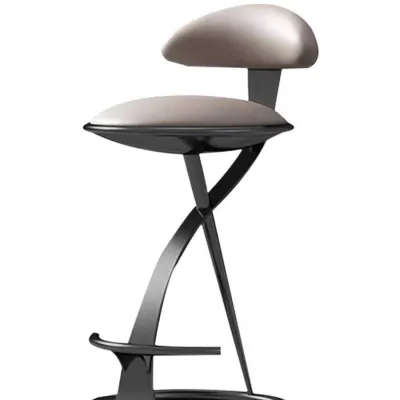
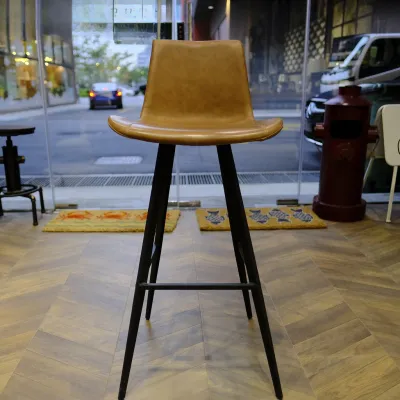
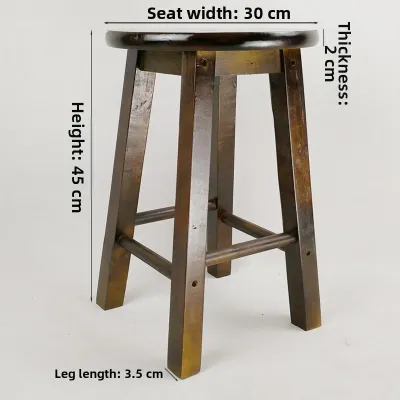
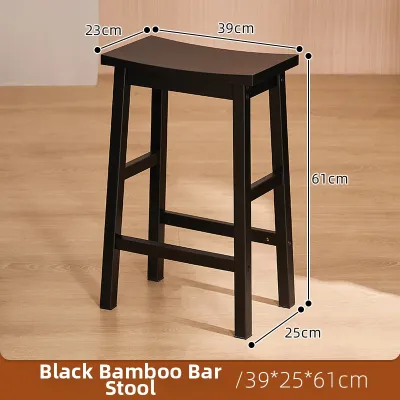
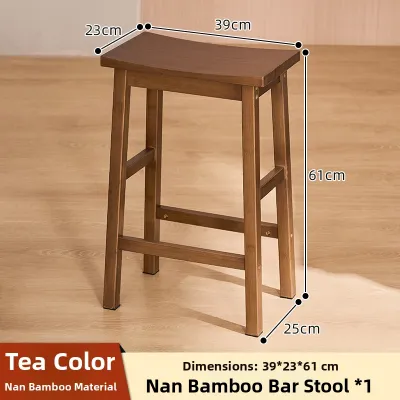
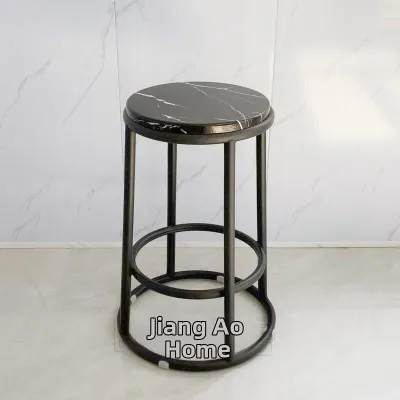
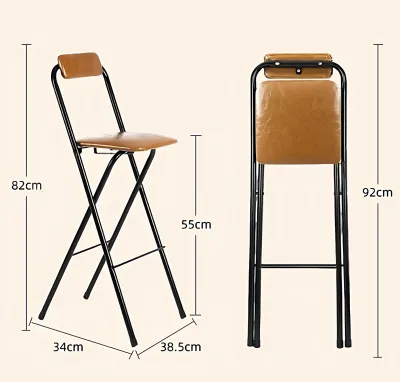
![[TheGoodFurniture] 纤维面 / 合木 椅头. 铁脚 Hardboard or Fibreglass seat with black metal frame stool. Chair. High chair. Bar stool. Wooden. Cheap but strong. Budget.合木椅头.纤维面椅头.](https://img.lazcdn.com/g/p/754a054813533f21abec1e4b60dc4dfb.jpg_400x400q80.jpg_.webp)
Prices are valid at publication and may change. Please refer to the product page for the latest price.
Finally, achieve harmony through color palettes and material continuity. Your bar stools should not exist in isolation; they must relate to the surrounding cabinetry, countertops, and flooring. If your kitchen features cool grey quartz countertops and matte white cabinets, introducing stools with warm brass legs or natural timber seats can create a striking point of contrast. Alternatively, matching the stool frame to the tone of your kitchen island base creates a seamless, integrated look. Look for subtle design cues—such as matching the metal finish of the stool legs to your cabinet handles or kitchen faucet—to tie the entire space together.
Modern Minimalist Bar Stools: Sleek Profiles for Compact Layouts
Modern minimalist design centers on simplicity, clean lines, and the elimination of unnecessary ornamentation. For Singapore homeowners who favor handle-less cabinetry, hidden appliances, and monochromatic color schemes, the ideal bar stools should mirror this understated elegance. Look for stools featuring slim metal frames, often constructed from powder-coated steel or aluminum, which offer exceptional structural strength without adding visual bulk. The upholstery should be equally refined, featuring flat-seat designs, slim cushions, and seamless stitching rather than heavy tufting, deep buttons, or elaborate piping.

Color strategies for minimalist spaces rely on a disciplined palette. Monochromatic schemes dominate, with matte black, crisp white, and muted charcoal greys serving as the primary choices. A matte black stool against a light-coloured island creates a graphic, high-contrast look that defines the dining zone. If you prefer a softer aesthetic, choosing stools in a tone that closely matches your island cabinetry allows them to visually recede into the background, making the entire living area feel larger and more cohesive.
Space-saving features are a critical consideration for open-concept HDB and BTO layouts. Backless or low-profile stools are highly advantageous in these configurations because they can be tucked completely beneath the counter when not in use. This maintains clear sightlines across the room, preventing the kitchen island from blocking the view from the living or dining area. Low-back options provide a touch of lumbar support while still keeping a low visual profile that does not disrupt the horizontal flow of your countertops.
However, adopting a minimalist style involves specific trade-offs. Backless stools are excellent for quick breakfasts or a morning coffee, but they lack the back support required for long seating sessions, such as working from home or hosting extended dinner parties. Additionally, tucking stools completely under a counter requires precise height calculations. If the stool seats are too high or if they feature small, integrated armrests, they may scrape against the underside of your countertop, damaging both the stool and the counter surface over time. Always measure the clearance carefully before committing to a backless design.
Scandinavian Bar Stools: Light Woods and Cozy Textures
The Scandinavian design philosophy—often referred to as ‘scandi’—prioritizes warmth, natural light, simplicity, and functional beauty. In Singapore, where urban living can sometimes feel sterile, Scandinavian-style bar stools bring a welcoming, organic touch to the kitchen. The hallmark of this style is the use of light-toned solid woods, such as oak, ash, beech, or rubberwood. These timbers feature soft, visible grain patterns that add natural texture to your interior. To complement the wood, look for seats made from woven paper cord, molded plywood, or curved polypropylene, which offer a gentle, ergonomic contour that invites relaxation.
Texture plays a vital role in softening the clean lines of a Scandinavian kitchen. You can introduce comfort without creating visual clutter by opting for stools with integrated linen or wool-blend seat cushions in soft pastel tones, cream, or warm beige. If you purchase unupholstered wooden stools, adding removable, washable seat pads allows you to change the look seasonally while ensuring the dining area remains practical for daily use. These subtle textures break up the hard surfaces of quartz, tile, and laminate commonly found in modern kitchens.
The leg design of Scandinavian stools is another defining characteristic. Typically, these stools feature splayed, tapered wooden legs that provide excellent stability while maintaining a light, airy appearance. Rather than heavy, ornate metal footrests, Scandinavian designs often utilize subtle wooden stretchers or slim, painted metal bars that serve as integrated footrests. This careful balance of materials ensures the stool remains structurally sound without losing its delicate, organic aesthetic.
When selecting wooden furniture in Singapore, you must consider the local climate. High humidity levels can cause untreated or poorly sealed solid wood to absorb moisture, leading to warping, cracking, or mold growth over time. Before purchasing, verify that the wooden stools have been treated with a high-quality, moisture-resistant polyurethane or lacquer finish. Furthermore, if you choose upholstered models, check the fabric’s rub count (Martindale rating) and stain-resistance treatments. Daily dining exposes stools to spills, oils, and friction, so choosing durable, easy-to-clean fabrics is essential for long-term maintenance.
Industrial Bar Stools: Raw Metals and Urban Edge
Industrial design embraces raw, unfinished elements, drawing inspiration from old factories, warehouses, and urban lofts. This style is highly popular in Singapore’s loft-style apartments and modern HDB flats where homeowners want to create a bold, character-rich space. Industrial bar stools are defined by their rugged construction and tactile materials. Key design directions include distressed or top-grain leather seats, matte black powder-coated steel frames, and reclaimed or distressed wood-look seat tops. The overall aesthetic is sturdy, unpretentious, and built to last.
Hardware details play a crucial role in authenticating the industrial look. Look for stools featuring exposed rivets, heavy-duty welding joints, visible turnbuckles, or mechanical adjustable height systems (such as a threaded swivel seat). Cast-iron style bases, sled-style metal frames, or heavy steel legs with cross-bracing add a sense of architectural structure to your kitchen island. These details provide a strong contrast to the smooth, seamless surfaces of modern cabinetry.
While the raw appeal of industrial design is undeniable, a kitchen filled with metal, concrete, and brick can easily feel cold, dark, or commercial. To prevent this, you should focus on softening the look of your dining space. Pair dark metal industrial stools with warm, low-hanging pendant lights featuring Edison-style bulbs. If your kitchen island has a cold concrete or quartz top, choosing stools with warm wooden seats or rich brown leather upholstery can instantly inject warmth and make the seating area feel inviting and comfortable for guests.
Practicality and safety must remain top priorities when dealing with heavy industrial furniture. First, ensure that all metal frames have been treated with rust-resistant coatings, as Singapore’s humid air can accelerate corrosion on bare metal. Second, if you select stools with adjustable height mechanisms, verify the stability of the thread or locking pin. Some lower-quality swivel mechanisms can wobble when extended to their maximum height. Always check the manufacturer-stated weight capacity limits and ensure the base is wide enough to prevent tipping, especially when the seat is fully elevated.
Japandi and Tropical Modern: Blending Nature with Function
In recent years, hybrid styles like Japandi and Tropical Modern have gained immense popularity in Singapore. Japandi merges the cozy warmth of Scandinavian design with the rustic, structured minimalism of traditional Japanese interiors. Tropical Modern, on the other hand, tailors modern design principles to the equatorial climate, incorporating materials and textures that feel breezy, light, and connected to nature. Both styles offer excellent inspiration for selecting bar stools that feel uniquely suited to local living.
For a Japandi-inspired kitchen, look for bar stools that combine Scandinavian functionality with Japanese aesthetic elements. This often involves choosing slightly darker, richer wood tones like walnut or medium oak, paired with lower, more grounded profiles. Japandi stools prioritize clean, geometric silhouettes but introduce subtle, organic textures such as woven paper cord, rush seats, or delicate timber slats. The focus is on master craftsmanship, quiet elegance, and a sense of calm, uncluttered space.
If you lean toward a Tropical Modern aesthetic, your bar stools should incorporate natural materials that evoke a breezy, coastal, or heritage-inspired feel. Rattan, cane webbing, and solid teak accents are perfect for this style. A bar stool with a curved teak frame and a woven cane backrest adds instant warmth and vintage charm to a modern kitchen. These materials allow air to circulate freely, making them incredibly comfortable to sit in during warm afternoons.
However, natural materials require careful consideration under Singapore’s tropical weather conditions. High humidity can cause natural cane and rattan to become brittle or develop mold if they are not properly maintained. Before purchasing, review the manufacturer’s care guidelines. If your kitchen island is located near open windows, a balcony, or in a semi-outdoor area, consider choosing synthetic rattan or high-quality faux-cane alternatives. These modern synthetics mimic the look of natural weaves while offering superior resistance to moisture, UV rays, and daily wear and tear. Keep the overall silhouettes low and grounded to maintain a calming, spacious atmosphere.
Practical Sizing and Safety Checklist for Singapore Homes
Selecting a bar stool that matches your interior design is only half the battle; it must also fit your physical space perfectly and provide a safe seating experience. Use this practical checklist before making your final purchase to ensure your stools are functional, comfortable, and safe for everyone in your household.
- Calculate the Proper Height: Measure from the finished floor to the exact underside of your kitchen counter or island. To sit comfortably, you need approximately 25 to 30 centimetres of space between the top of the stool seat and the underside of the counter. For a standard 90-centimetre counter, choose a counter stool with a seat height of 60 to 65 centimetres. For a 105-centimetre bar counter, opt for a bar stool with a seat height of 75 to 80 centimetres.
- Ensure Adequate Clearance and Spacing: To prevent your counter area from feeling overcrowded, allow at least 60 to 75 centimetres of width for each stool. This measurement is taken from the center of one stool to the center of the next, ensuring that guests have enough elbow room to dine comfortably. Additionally, ensure there is at least 30 centimetres of clearance between the last stool and the edge of the counter wall to allow for easy access.
- Evaluate Base Stability: The design of the stool's base directly impacts its stability. Stools with four distinct legs generally offer the most stable footprint. Sled bases, which feature a continuous metal frame, distribute weight evenly and work well on carpets or rugs. Pedestal bases with a single central column offer a sleek look but must feature a heavy, wide bottom plate to prevent tipping. If you have young children or pets who might climb on the stools, prioritize designs with a wider base footprint and low centers of gravity.
- Verify Floor Protection: Moving bar stools back and forth can easily scratch or scuff your flooring. This is particularly important in Singapore homes, where vinyl, laminate, engineered wood, or polished tile flooring are common. Check if the stools come equipped with built-in non-marking floor glides or plastic feet. If they do not, plan to apply high-density felt pads or rubber caps to the bottom of the legs to protect your floors from daily wear.
- Confirm Access and Assembly: Before ordering, check the finished dimensions of the stools against your doorway and lift clearance. If the stools arrive fully assembled, you must ensure they can fit through your main entrance and any tight corridors. If assembly is required, review the manufacturer's instructions to ensure you have the necessary tools and space to assemble the furniture safely.
Frequently Asked Questions (FAQ)
How many bar stools should I buy for my kitchen island?
To determine the ideal number of stools, measure the total length of your kitchen island’s seating side. A standard rule of thumb is to allocate 60 to 75 centimetres of horizontal space per stool. For example, if your kitchen island is 180 centimetres long, you can comfortably fit two to three stools. If you choose stools with wide armrests or bulky frames, lean toward the larger spacing of 75 centimetres to prevent the seating area from feeling cramped and to allow everyone to sit and stand without bumping into each other.
Are backless bar stools comfortable for everyday dining?
Backless bar stools are highly efficient for space-saving because they can tuck completely under the counter, keeping your walkways clear. However, they are generally best suited for short-duration seating, such as quick breakfasts, casual drinks, or brief tasks. If your kitchen island serves as your primary dining table or a work-home station where you sit for hours, a stool with a supportive backrest and ergonomic contouring is highly recommended to prevent back strain and maintain healthy posture.
How do I clean and maintain rattan or cane bar stools in a humid climate?
To maintain natural rattan or cane in Singapore’s humid climate, dust them weekly using a soft brush or the upholstery attachment of your vacuum cleaner to prevent dirt buildup in the weaves. Avoid using excess water or harsh chemical cleaners, as oversaturating the natural fibers can lead to mold, mildew, or structural weakening. If a spill occurs, wipe it immediately with a damp microfiber cloth and allow it to air-dry completely. Always consult the manufacturer’s care label for specific instructions, and consider using a dehumidifier in your home to keep indoor humidity levels balanced.
Community discussion
Share your experience or ask a question. Comments are reviewed before publication.