
Choosing the right bar stool chair involves more than picking a design that catches your eye. To create a cohesive home, you must evaluate how a stool’s visual weight, material finishes, and structural dimensions align with your existing interior design. The right seating acts as a bridge between your kitchen island and the surrounding living space, balancing aesthetic appeal with daily utility. By analyzing your home’s dominant design language and verifying physical constraints, you can select stools that enhance your space rather than clutter it.
Assess Your Space and Existing Decor
Before browsing specific styles, evaluate the dominant design language of your room. Look at the architectural features, color palette, and primary materials already present in your kitchen or dining area. For instance, a space dominated by clean lines and neutral tones requires a different visual approach than a room filled with warm wood textures or exposed brick. Understanding these existing cues helps you decide whether your new seating should seamlessly blend into the background or serve as a striking focal point.
Visual weight is another critical factor when coordinating furniture. Heavy, solid-backed stools with thick wooden legs can anchor a large kitchen, but they might overwhelm a compact apartment island. Conversely, low-profile, backless stools with slender metal frames preserve sightlines and make a small room feel more spacious. Consider whether you want the stools to contrast with your island or match its tone. Placing dark, textured stools against a light marble counter creates an intentional point of contrast, while matching the stool color to the cabinetry creates a streamlined look.
Products mentioned in this guide
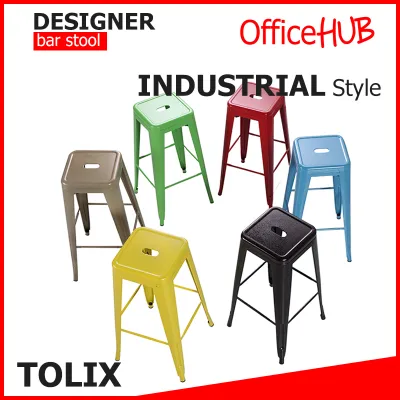
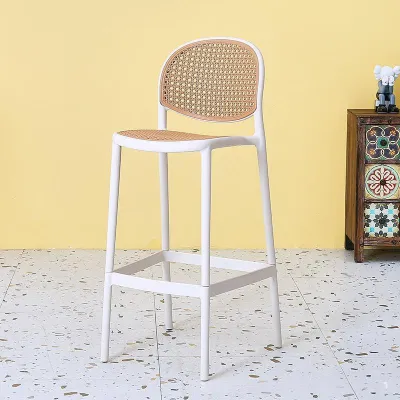
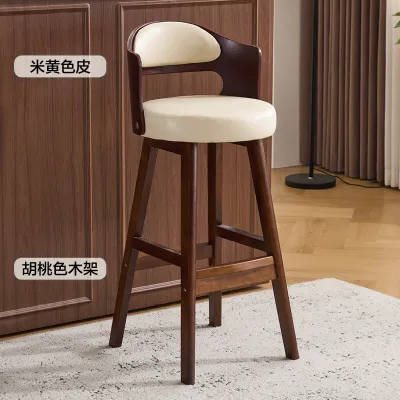
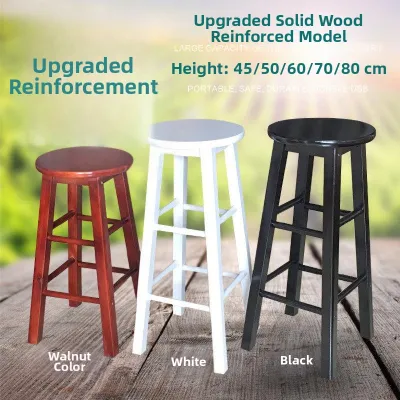
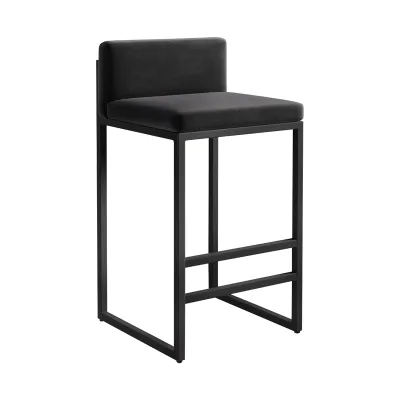
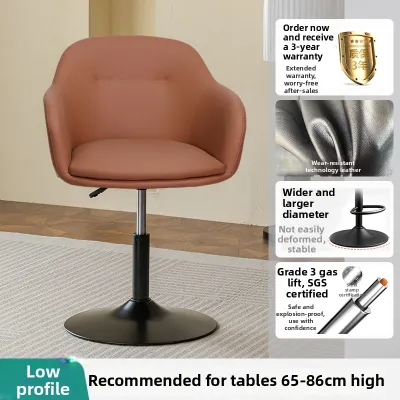
Prices are valid at publication and may change. Please refer to the product page for the latest price.
Spatial constraints must also dictate your styling choices. A beautiful stool is of little use if it blocks a high-traffic walkway or prevents nearby cabinet doors from opening fully. Measure the physical footprint available around your counter, keeping in mind that people need space to pull out chairs, sit comfortably, and walk behind those who are seated. If your kitchen island is positioned close to a main corridor, choosing compact, low-profile stools that can slide completely under the counter overhang when not in use is often the most practical decision.
Popular Bar Stool Aesthetics and Where They Fit
Bar stools come in a diverse range of design movements, each carrying its own historical cues, material preferences, and structural characteristics. Finding the right match requires understanding these distinct aesthetics and identifying which ones complement your home’s existing architecture. Rather than viewing these styles in isolation, consider how their shapes, textures, and colors interact with your walls, floors, and cabinetry to create a harmonious environment.

Scandinavian and Minimalist Styles
Scandinavian and minimalist bar stools are defined by their light color palettes, uncluttered silhouettes, and emphasis on functional simplicity. These designs frequently feature pale woods like ash, beech, or oak, often paired with white or pastel accents. The structural lines are clean and purposeful, avoiding unnecessary ornamentation in favor of organic curves that support the body naturally.
This aesthetic is exceptionally well-suited for bright, airy kitchens, particularly those that embrace Nordic design principles or modern minimalism. If your home prioritizes visual calm, natural light, and open spaces, these stools will reinforce that atmosphere without adding visual clutter. They work beautifully alongside light stone countertops, matte white cabinetry, and soft, neutral wall colors.
When selecting a minimalist bar stool chair, pay close attention to the surface finishes. Because these designs rely on clean, uninterrupted surfaces, look for matte or satin sealants that resist showing dust, water spots, or oily fingerprints. High-quality protective coatings ensure that the light-colored wood or painted elements remain pristine under daily use, requiring only a quick wipe with a damp cloth to maintain their fresh, understated appearance.
Industrial and Urban Loft Styles
Industrial and urban loft styles celebrate raw, utilitarian design, drawing inspiration from old factories, warehouses, and workshop spaces. These stools are characterized by their robust construction, often featuring exposed hardware, visible welds, distressed wood seats, and heavy-duty metal frames. The shapes are straightforward and functional, prioritizing durability and structural honesty over delicate detailing.
This style is an ideal match for open-plan layouts, loft apartments, and interiors that feature industrial elements like exposed brick walls, concrete screed floors, or black steel window frames. If your kitchen island features a concrete-look quartz top or dark granite, industrial stools can enhance that rugged, modern edge. They also provide an excellent way to introduce texture and character into a neutral, contemporary space.
Because industrial stools often feature prominent metal components, it is crucial to verify the quality of their protective finishes. In humid environments, such as Singapore’s tropical climate, untreated metal can quickly succumb to rust and corrosion. Look for stools with high-quality powder-coated finishes or clear protective lacquers. These coatings seal the metal from moisture and sweat, ensuring the raw, rugged look remains a stylistic choice rather than a maintenance headache.
Mid-Century Modern and Contemporary Styles
Mid-century modern and contemporary styles offer a perfect balance of retro charm and sleek, forward-thinking design. Mid-century options are easily recognized by their tapered legs, organic curves, bentwood frames, and occasional pops of bold, nostalgic colors like mustard yellow, teal, or burnt orange. Contemporary designs, on the other hand, push boundaries with innovative shapes, slim profiles, and unexpected material combinations.
These styles work exceptionally well as statement pieces in eclectic, transitional, or modern homes. If your kitchen is relatively neutral, a set of mid-century modern stools with rich walnut veneer and colorful upholstered seats can instantly inject personality and warmth into the room. They act as functional art pieces, drawing the eye and defining the kitchen island as the social hub of the home.
Because these styles often incorporate upholstered seats, molded plastics, or painted wood, daily maintenance should be a key consideration. Check the manufacturer’s care instructions to ensure the materials can withstand frequent wiping. For upholstered options, look for performance fabrics or synthetic leathers that resist staining from spilled drinks or food, allowing you to enjoy the bold colors and organic shapes without worrying about permanent blemishes.
Classic and Traditional Styles
Classic and traditional bar stools bring a sense of timeless elegance, warmth, and formal structure to a home. These designs often feature detailed craftsmanship, such as turned wooden legs, carved backrests, button-tufted upholstery, and decorative metal nailhead trim. They typically utilize richer, darker wood tones like cherry, mahogany, or dark walnut, creating a grounded and substantial presence.
This aesthetic complements traditional cabinetry, detailed crown moldings, warm hardwood flooring, and formal dining spaces. If your kitchen features shaker-style cabinet doors, classic marble countertops, or warm brass hardware, traditional stools will enhance the sophisticated, welcoming atmosphere. They are perfect for homeowners who prefer a cozy, established look over stark modernism.
Given the detailed construction of traditional stools, verifying the quality of the joints and surface sealing is essential for long-term stability. Look for sturdy joinery methods, such as mortise-and-tenon joints reinforced with corner blocks, which prevent the stool from wobbling over time. Additionally, ensure the wood finish is sealed with a durable polyurethane or lacquer to protect the intricate carvings and turned details from moisture and daily wear.
Material and Finish Considerations for Daily Use
While visual style is crucial, the practical performance of your bar stool chair depends heavily on its material composition and surface treatments. It is easy to be swayed by a beautiful wood grain or a sleek metallic sheen, but you must consider how these surfaces will interact with daily life. Spilled coffee, greasy fingers, humid air, and the constant friction of sliding on and off the seat will quickly test the limits of any furniture piece.
Rather than relying solely on the name of a base material, evaluate the specific surface treatments applied by the manufacturer. For example, raw wood is highly porous and susceptible to staining, whereas wood sealed with a water-resistant polyurethane coating can easily withstand spills. Similarly, metal frames should feature powder coating or specialized rust-resistant plating rather than basic paint, which can chip easily when struck by vacuum cleaners or shoe heels.
Upholstered stools offer excellent comfort but require careful selection based on your household’s habits. If you frequently host dinners or have a busy household, delicate fabrics like linen or low-grade velvet may require excessive maintenance. Instead, look for performance fabrics treated with stain-resistant barriers, or opt for high-quality synthetic leathers that can be wiped clean with a damp cloth. Always check the manufacturer’s care labels for specific cleaning restrictions to avoid using harsh chemicals that could degrade the finish.
Finally, consider the environmental conditions of your home. In tropical regions like Singapore, high humidity can affect both wood and metal. Wood can expand and contract, potentially loosening joints, while metal can oxidize if left unprotected. Choosing stools with robust, moisture-resistant finishes and checking that any joint hardware can be tightened periodically will ensure your seating remains safe, stable, and visually appealing for years to come.
Sizing, Clearance, and Ergonomic Checks
No matter how beautiful a bar stool chair is, it will fail to serve its purpose if it is uncomfortable to sit in or does not fit your counter. Achieving the perfect fit requires precise measurements of both your space and the stools themselves. The most critical measurement is the seat height, which must be coordinated with your counter height to allow comfortable legroom and a natural resting position for your arms.
To determine the required seat height, measure the distance from the floor to the underside of your counter or island. For a standard kitchen counter (typically around 90 centimeters high), you will need counter-height stools with a seat height of approximately 60 to 65 centimeters. For a taller bar counter (around 100 to 105 centimeters high), you will require bar-height stools with a seat height of 75 to 80 centimeters. Ensuring a clearance gap of 25 to 30 centimeters between the top of the seat and the underside of the counter allows for comfortable leg movement without scraping your knees.
Next, calculate the necessary width per stool to ensure comfortable seating and adequate elbow room. As a general rule, allow at least 60 to 75 centimeters of counter width for each stool. If you choose stools with wide seats, armrests, or swivel mechanisms, you may need to increase this spacing to 75 to 90 centimeters per stool. This spacing prevents guests from bumping elbows and allows everyone to turn and exit their seats easily.
Do not forget to verify the footprint of the stool base. Some designs feature splayed legs or wide circular bases that extend significantly beyond the width of the seat. Ensure these bases do not protrude into main walkways, creating tripping hazards, or block nearby cabinet doors and drawers from opening. If you are purchasing fully assembled stools, also measure your doorways, hallways, and lift access to guarantee the delivery team can safely transport the furniture into your home.
Pre-Purchase Verification Checklist
Before finalizing your purchase and heading to the checkout, use this practical checklist to verify that your chosen bar stool chair meets all structural, spatial, and aesthetic requirements:
- Confirm Seat Height: Double-check the exact measurement from the floor to the top of the seat cushion against your counter's clearance height.
- Verify Footprint and Spacing: Ensure the total width and depth of the stool base fit comfortably within your allocated island space without crowding.
- Check Load Capacity and Stability: Review the manufacturer's specifications for the maximum weight capacity and look for a wide, stable base design.
- Assess Assembly Requirements: Determine if the stools arrive fully assembled or require DIY setup, and check if specialized tools or professional assistance are recommended.
- Review Material Care Instructions: Confirm that the upholstery, wood, or metal finishes have clear cleaning guidelines suitable for your daily routine.
- Inspect Joint Construction: For wooden stools, check for reinforced joints; for metal stools, look for clean, solid welds and protective floor glides.
- Understand Return and Warranty Policies: Verify the retailer's terms regarding structural defects, finish issues, or returns if the style does not match your home as expected.
Frequently Asked Questions (FAQ)
How many bar stool chairs should I buy for my kitchen island?
To determine the correct number of stools, you need to measure the usable length of your kitchen island and apply a simple spacing formula. Standard seating etiquette requires allowing 60 to 75 centimeters of horizontal counter space per person, measured from the center of one stool to the center of the next. To calculate your capacity, divide the total length of your counter overhang by 65 centimeters. For example, if your island has a usable counter length of 180 centimeters, dividing by 65 gives you approximately 2.7, meaning you can comfortably fit two stools with generous breathing room, or three compact, backless stools if you prioritize maximum seating. Always remember to leave at least 15 centimeters of clearance from the outer edges of the island to prevent the end stools from feeling cramped or unstable.
Do bar stools need to match my dining chairs exactly?
No, your bar stools do not need to match your dining chairs exactly, especially in modern, open-plan living spaces. In fact, matching them too perfectly can make a home feel overly formal or commercial. Instead, aim for coordination rather than replication. You can tie the different seating areas together by sharing a common design element, such as using the same wood tone for the legs, matching the upholstery fabric color, or choosing similar metal finishes. Alternatively, if your dining area and kitchen island are physically close, you can use contrasting stool styles to intentionally define separate functional zones. For instance, pairing simple wooden dining chairs with sleek, modern metal bar stools can create a beautiful visual transition that highlights the unique purpose of each space.
Community discussion
Share your experience or ask a question. Comments are reviewed before publication.