
Bamboo storage racks are a popular choice for home organization, offering a warm, minimalist aesthetic that fits seamlessly into modern interior designs. However, before committing to this material for your home, it is essential to understand how it performs under specific environmental pressures. In Singapore’s persistently humid climate, raw or poorly treated bamboo is highly susceptible to absorbing moisture from the air, which can lead to structural warping, bowing, and the rapid growth of unsightly mould.
While bamboo is not naturally immune to these issues, its suitability ultimately depends on how the material was processed, the quality of its protective finish, and where it is positioned in your home. By evaluating specific product specifications and implementing targeted maintenance routines, you can successfully integrate bamboo shelving into your living space. This guide provides a practical framework to help you determine whether a bamboo storage rack is the right fit for your needs or if you should opt for alternative materials.
How High Humidity Affects Bamboo Furniture
To understand how bamboo behaves in a tropical climate, it helps to look at its natural composition. Although often grouped with solid wood, bamboo is actually a fast-growing grass with a highly fibrous, vascular structure. This structure makes it naturally hygroscopic, meaning it readily absorbs and releases moisture to equilibrate with the surrounding air. In Singapore, where relative humidity levels frequently exceed 80% year-round, untreated bamboo is under constant exposure to airborne water vapor, causing the fibers to swell and expand.
Products mentioned in this guide
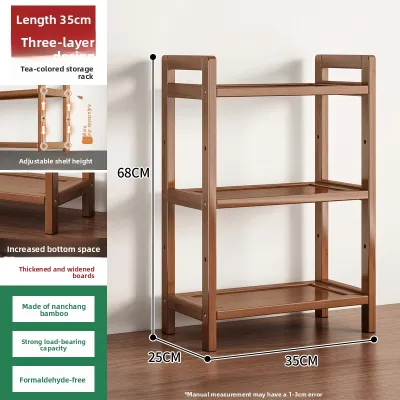
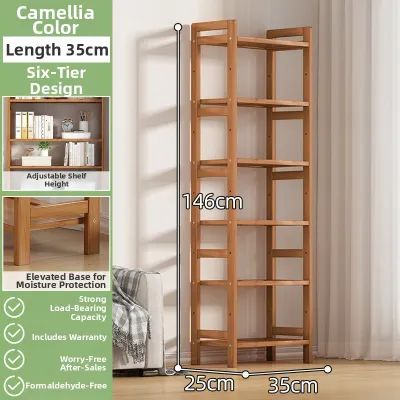
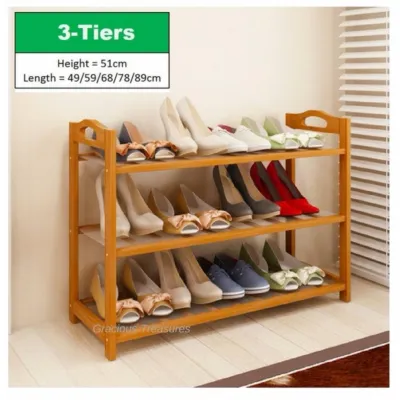
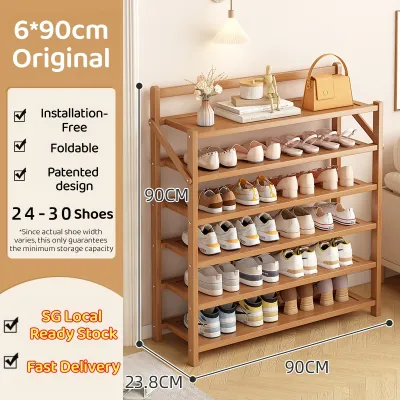
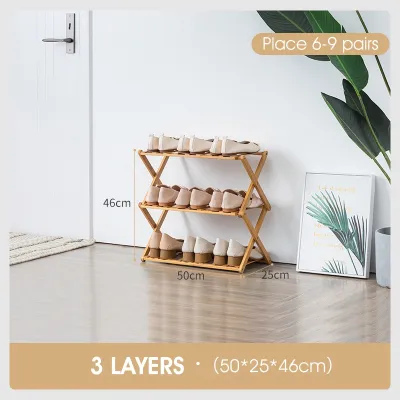
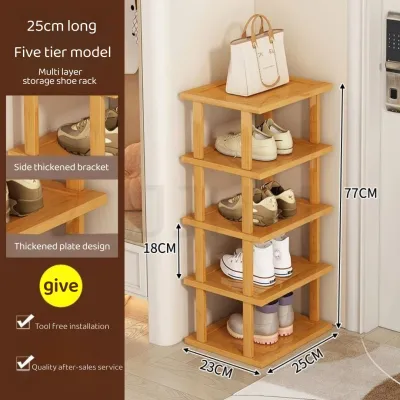
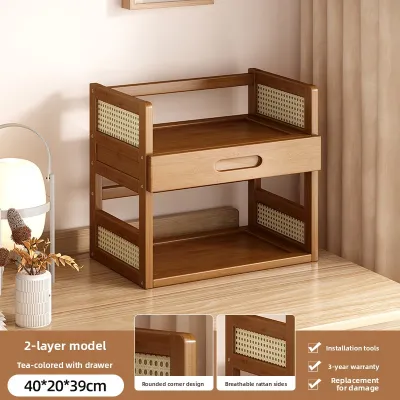
Prices are valid at publication and may change. Please refer to the product page for the latest price.
The key distinction in durability lies between raw, untreated bamboo and processed bamboo products. Raw bamboo retains its natural starches and sugars, which act as a primary food source for fungal spores when exposed to moisture. In contrast, processed bamboo—such as laminated or engineered bamboo—undergoes intense heat, pressure, and chemical treatments during manufacturing. This processing strips away the organic sugars and binds the fibers with water-resistant resins, significantly reducing the material’s capacity to absorb moisture and resist structural changes.
Mould growth and structural warping are triggered by specific environmental thresholds that are common in local homes. Fungal spores thrive in stagnant air where relative humidity remains above 70% and temperatures sit between 20°C and 35°C. When moisture accumulates on the surface of a storage rack without adequate airflow, mould can colonize the material within days. Warping occurs when different parts of the rack absorb moisture at uneven rates, creating internal tension that causes the shelves to bow or the frame to twist out of alignment.
What to Check Before Buying a Bamboo Storage Rack
When browsing online marketplaces or local furniture showrooms, you cannot rely on material name alone to guarantee durability. Your primary line of defense is the surface treatment applied to the rack. Look closely at product descriptions or labels for explicit mentions of protective coatings, such as polyurethane sealants, water-resistant varnishes, or multi-layer lacquer finishes. These coatings create an impermeable barrier over the porous bamboo fibers, preventing moisture from penetrating the wood and keeping fungal spores from anchoring to the surface.

Structural design is another critical factor that influences how well a rack handles humidity. Opt for racks featuring slatted shelves rather than solid, flat panels. Slatted designs promote continuous airflow around your stored items and prevent moisture from pooling in stagnant pockets. Additionally, inspect the quality of the joints and hardware; high-quality units should utilize rust-resistant stainless steel or brass screws, as corroded hardware can weaken the joints and allow moisture to seep into the screw holes, causing localized swelling.
Before finalizing your purchase, take the time to verify specific details with the seller or manufacturer. Ask if the bamboo has been kiln-dried to an optimal moisture content and treated with anti-fungal agents during production. Inquire about the maximum load capacity of the shelves, keeping in mind that humid environments can slightly reduce the structural rigidity of organic materials over time. Finally, check the terms of the warranty to see if the manufacturer covers moisture-related defects, warping, or structural failure within the first year of use in tropical climates.
Best Placement Strategies for Humid Environments
To maximize the lifespan of a bamboo storage rack, you must strategically select its location to minimize exposure to extreme moisture. Avoid high-risk zones such as unventilated bathrooms, laundry areas, or spaces directly adjacent to indoor clothes drying racks. Placing a bamboo rack flush against a cold exterior wall can also cause issues, as temperature differences between the wall and the room can generate localized condensation on the back of the furniture, creating an ideal breeding ground for mould.
Proper spacing is essential for maintaining adequate air circulation around the unit. Position the storage rack at least 5 to 10 centimeters away from walls to ensure air can flow freely behind it. If you are placing the rack on tiled floors that are frequently mopped, consider choosing a model with elevated legs or adding protective rubber pads to the feet. This prevents the end-grain of the bamboo legs from directly absorbing standing water from the floor.
Active climate control and room ventilation play a vital role in protecting your furniture. In enclosed spaces like walk-in wardrobes or bedrooms, running a ceiling fan or keeping windows open during dry, sunny periods helps disperse humid air. If the room is consistently damp, utilizing an air conditioner or a dedicated dehumidifier can help keep the relative humidity below the critical 60% threshold. For smaller, enclosed cabinets, placing disposable moisture-absorbing canisters on the shelves provides an extra layer of protection for both the rack and your stored items.
Maintenance Routine to Prevent Warping and Mould
Establishing a consistent care routine is the most effective way to prevent long-term humidity damage to your bamboo furniture. When cleaning the rack, avoid using wet cloths, bucket-washing, or harsh chemical cleaners that can strip away the protective sealant. Instead, use a dry or slightly damp microfiber cloth to wipe away dust and organic debris, which can otherwise trap moisture and feed fungal spores. If you must use a damp cloth to clean a spill, immediately follow up with a dry towel to remove any residual surface moisture.
Regularly inspect the rack for early warning signs of environmental stress. Look for tiny black or white spots on the underside of shelves, along the joints, and in corners where air circulation is lowest. Keep an eye out for a musty odor or a fine, powdery residue on the surface, which often precedes visible mould growth. You should also check the tightness of the assembly screws periodically, as the natural expansion and contraction of the bamboo can cause hardware to loosen over time, compromising the stability of the rack.
If you discover minor surface mould, take immediate action to prevent it from spreading deeper into the fibers. Refer to the manufacturer’s guidelines for approved cleaning solutions, which often involve wiping the affected area with a soft cloth dampened in a mild solution of white vinegar and water or a specialized wood cleaner. Once the mould is removed, dry the area completely with a clean towel and consider moving the rack to a more ventilated location. Applying a thin coat of furniture-grade wax or a fresh layer of polyurethane sealant can help restore the protective barrier and prevent future outbreaks.
When to Choose Alternative Materials Instead
While bamboo offers an appealing natural look and is highly renewable, there are certain household scenarios where it is simply not the practical choice. In environments characterized by constant wetness, direct water contact, or a complete lack of ventilation, even the most thoroughly treated bamboo rack will eventually succumb to warping and rot. If you need storage for a wet bathroom, an open balcony exposed to rain, or a damp utility closet, it is wiser to invest in alternative materials.
For high-humidity zones, powder-coated steel or aluminum racks serve as excellent alternatives. These metals offer superior structural strength and are highly resistant to moisture, provided the protective powder coating remains intact to prevent rust. Another highly durable option is high-density plastic or heavy-duty resin shelving. These synthetic materials are completely impervious to water, cannot warp, and do not support mould growth, making them ideal for utility rooms, kitchens, and damp storage areas.
When deciding between bamboo and these alternatives, consider the trade-offs in cost, weight, and aesthetics. Metal shelving units can be heavier and sometimes more expensive, but they offer unmatched load capacity and longevity in harsh conditions. Plastic shelving is lightweight, highly affordable, and easy to clean, though it may lack the premium aesthetic appeal required for prominent living areas. Weighing these factors against your specific storage needs and the humidity levels of your room will ensure you choose a shelving system that remains stable and clean for years to come.
Frequently Asked Questions (FAQ)
Can I use a bamboo storage rack in the bathroom?
Using a bamboo storage rack in a standard bathroom is generally not recommended due to the high concentration of steam, direct water splashes, and typically limited ventilation. However, it may be acceptable in large, well-ventilated powder rooms where the rack can be placed far from the shower or sink. If you choose to use bamboo in a bathroom, ensure the product is explicitly rated for high-moisture environments, features a robust polyurethane sealant, and that the room is equipped with an active exhaust fan to clear humidity quickly.
Does carbonized bamboo resist mould better than natural bamboo?
Yes, carbonized bamboo generally offers better resistance to mould than raw, natural bamboo. The carbonization process involves subjecting the bamboo to high heat and steam, which caramelizes and breaks down the natural starches and sugars within the fibers, leaving fewer nutrients for fungal spores to feed on. However, carbonization alone does not make the material waterproof. To prevent warping and moisture absorption in a humid climate, you must still verify that the carbonized rack has been finished with a high-quality, protective surface sealant.
Community discussion
Share your experience or ask a question. Comments are reviewed before publication.