
Finding a balcony storage cabinet that can survive Singapore’s relentless tropical climate is a major challenge for many homeowners. Between sudden monsoon downpours and constant, heavy humidity, standard indoor furniture will deteriorate rapidly if placed outside. When planning your outdoor setup with versatile solutions like invis furniture, selecting the right material is the single most important decision you will make. To protect your stored items and ensure your cabinet lasts, you must look beyond aesthetic appeal and focus on materials specifically engineered to resist water penetration, rust, and UV degradation.
Understanding Singapore's Balcony Microclimate
Singapore’s weather presents a unique set of environmental challenges for any outdoor furniture. A typical balcony, whether it is a spacious condominium veranda or a compact HDB service yard, is constantly exposed to extreme conditions. Even if your balcony is semi-sheltered or covered by an awning, it is not immune to the effects of the local climate.
The primary stressor is ambient humidity, which regularly hovers around 80% and can spike higher during rainy periods. This constant moisture in the air creates an ideal breeding ground for mold and mildew, which can quickly ruin organic materials. Furthermore, Singapore experiences intense, direct sunlight for much of the year, followed by sudden, heavy monsoon downpours that blow rain sideways, soaking even deeply recessed balcony corners.
Products mentioned in this guide
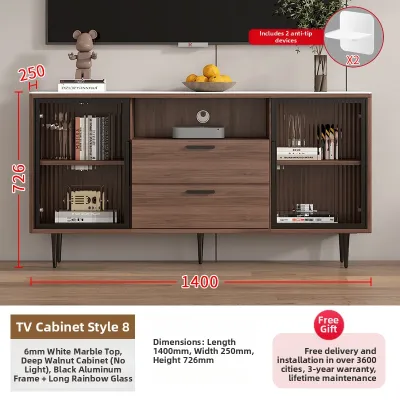
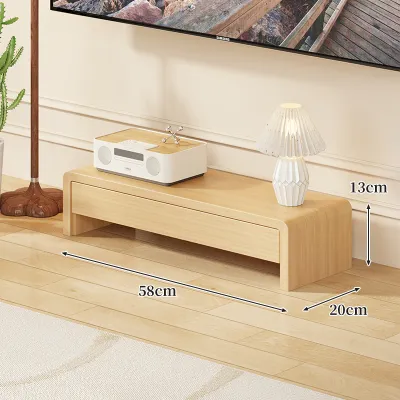
Prices are valid at publication and may change. Please refer to the product page for the latest price.
This combination of high heat, intense ultraviolet (UV) radiation, and moisture causes rapid material degradation. Unprotected metals oxidize and rust, natural woods warp and split, and standard plastics become brittle and crack. Therefore, any storage cabinet intended for balcony use must be explicitly rated by the manufacturer for outdoor or high-moisture environments. Assuming a cabinet is suitable just because it is placed in a semi-sheltered area is a common mistake that often leads to premature structural failure.
Material Guide: What to Verify for Rain and Humidity
When shopping for a balcony storage cabinet, you will encounter various material options. However, generic material names can be misleading. To make an informed purchase, you must verify the specific grades, coatings, and manufacturing treatments used to prepare these materials for outdoor exposure.

Metal Cabinets: Checking Coatings and Grades
Metal is a popular choice for balcony storage due to its strength and modern appearance, but not all metals are built to withstand outdoor moisture. Seeing terms like “aluminum” or “stainless steel” in a product description is not enough to guarantee long-term durability on a Singapore balcony.
If you are considering an aluminum cabinet, you must verify that the metal has been treated with a high-quality powder-coated finish or an anodized protective layer. Unfinished aluminum can develop a chalky white corrosion when exposed to salt air and high humidity over time. Powder coating provides a thick, sealed barrier that prevents moisture from reaching the underlying metal.
For stainless steel cabinets, it is crucial to check the specific grade of the steel used. Marine-grade or high-corrosion-resistant grades are highly preferred for outdoor settings, whereas lower grades may still develop surface rust in humid conditions. Additionally, inspect the cabinet’s hardware, including the hinges, screws, magnetic latches, and handle fixtures. If these minor components are made from standard carbon steel, they will rust quickly, compromising the entire cabinet’s functionality even if the main panels remain intact.
Wood and Composites: Verifying Sealants and Stability
The natural warmth of wood is highly desirable, but placing untreated natural wood on an open Singapore balcony is highly risky. Standard timber absorbs moisture from the humid air, causing it to swell, warp, and eventually rot.
If you prefer a wood aesthetic, look for Wood-Plastic Composite (WPC) or pressure-treated timber specifically rated for outdoor use. WPC is manufactured from a blend of wood fibers and recycled plastics, offering the look of wood with significantly higher resistance to moisture and insect damage. When evaluating WPC, verify that the product contains UV stabilizers to prevent the material from fading or warping under the intense Singapore sun.
For any natural wood options, check the manufacturer’s care instructions to understand the required maintenance schedule. Natural outdoor woods typically require regular application of water-resistant sealants, oils, or specialized varnishes to maintain their protective barrier. If your balcony is completely uncovered and exposed to direct rain, natural wood is generally not recommended due to the high risk of rapid degradation.
Plastics and Resins: Ensuring UV and Structural Integrity
Plastic and synthetic resin cabinets are naturally immune to rust and rot, making them highly practical for wet environments. However, standard household plastics will degrade rapidly when exposed to the strong UV radiation typical of Singapore’s tropical climate.
Before purchasing a plastic cabinet, confirm that the material is explicitly labeled as UV-resistant or UV-stabilized. Without this protection, the sun’s rays will break down the plastic’s chemical bonds, causing the cabinet to fade, turn brittle, and eventually crack under minor impacts.
Additionally, evaluate the physical construction of the plastic panels. Check the manufacturer’s specifications for wall thickness and look for internal structural ribbing. Solid, thick-walled resin cabinets with reinforced internal structures are necessary to prevent the shelves and outer panels from bowing or sagging over time under the combined weight of your items and the high ambient temperatures.
Structural Details and Invis Furniture Designs That Keep Water Out
While choosing the right primary material is essential, the physical design of the cabinet plays an equally critical role in keeping your belongings dry. When evaluating products, including space-saving solutions like invis furniture or other specialized outdoor storage brands, you must inspect the structural details that prevent water ingress and pooling.
First, prioritize cabinets designed with elevated bases or adjustable raised feet. Singapore balconies can collect standing water during sudden downpours, and a cabinet that sits flush against the wet floor will suffer from capillary action, drawing moisture upward into the frame. Raising the cabinet body off the ground allows water to flow underneath freely and ensures the base remains dry.
Second, look for effective sealing mechanisms along the door joints. High-quality outdoor cabinets often feature rubber weather-stripping or silicone gaskets along the door frames to block wind-driven rain. A sloped or overhanging roof design is also beneficial, as it encourages rainwater to run off the sides rather than pooling on top of the cabinet.
Third, check for protected ventilation features. While you want to keep rain out, a completely airtight cabinet will trap ambient humidity inside, leading to mold growth on your stored items. Look for cabinets with downward-sloping ventilation louvers or hidden drainage holes that allow air to circulate while preventing direct water entry.
Finally, always measure your balcony space, doorways, and lift access before finalizing your purchase. Outdoor cabinets, especially heavy-duty metal or pre-assembled composite units, can be difficult to maneuver through tight Singapore apartment corridors and service lifts. Verify the finished dimensions and check the manufacturer’s specified load capacity to ensure the cabinet can safely support your items without compromising its structural stability.
Low-Risk Maintenance for Tropical Conditions
Even the most durable outdoor cabinet requires regular, low-risk maintenance to maximize its lifespan in Singapore’s demanding climate. Implementing a simple care routine will prevent minor environmental wear from turning into permanent damage.
Establish a regular cleaning schedule to wipe down the exterior of the cabinet, especially after heavy monsoon rains. Removing accumulated dust, bird droppings, and rain spots prevents these substances from slowly eating through protective coatings or paint layers. Use a soft cloth and mild, soapy water, and always refer to the manufacturer’s care instructions before applying any cleaning agents.
To manage internal moisture, place replaceable commercial desiccant boxes or moisture absorbers inside the cabinet. Ensure that any items you store—such as cushions, gardening tools, or outdoor shoes—are completely dry before placing them inside. Storing damp items in a closed space will rapidly trigger mold growth, regardless of the cabinet’s material.
If you observe signs of structural rust, deep mold penetration, or significant material warping, establish a clear safety boundary. Stop using the cabinet to store heavy items and avoid attempting unverified chemical treatments, heavy sanding, or structural alterations. If instructions conflict or the material is severely degraded, stop and consult the manufacturer or a professional to assess whether the cabinet can be safely repaired or if it needs to be replaced.
Frequently Asked Questions (FAQ)
Can I use an indoor storage cabinet on a sheltered balcony?
No, using an indoor storage cabinet on a sheltered balcony is highly risky. Even if the area is protected from direct rain, Singapore’s high ambient humidity will quickly penetrate indoor-rated materials like medium-density fibreboard (MDF), particleboard, or untreated plywood. These materials absorb moisture from the air, leading to swelling, structural sagging, and rapid mold infestation. Always choose cabinets explicitly rated for outdoor use, regardless of how sheltered your balcony is.
How do I prevent mold from growing inside the cabinet?
To prevent mold growth, ensure your balcony cabinet has built-in ventilation features, such as sloped louvers, to allow continuous airflow. Avoid storing wet or damp items inside the cabinet, and place high-capacity commercial moisture absorbers on the shelves, replacing them regularly. Periodically open the cabinet doors during dry, sunny afternoons to let the interior air out completely, and clean the inside surfaces with mild, manufacturer-approved cleaning solutions.
Community discussion
Share your experience or ask a question. Comments are reviewed before publication.