
When designing a modern kitchen island or home bar in Singapore, selecting the right seating is a balance of aesthetics, ergonomics, and long-term durability. If you are comparing premium Scandinavian seating, the decision of whether to invest in artek or explore other contemporary Nordic design houses ultimately depends on your personal design priorities. Better value is highly conditional: if your priority is historical mid-century functionalism, organic wood craftsmanship, and iconic design pedigree, Artek offers unmatched long-term worth. Conversely, if your space demands contemporary minimalism, mixed-material versatility, or highly customizable color schemes, other modern Scandinavian brands may provide better practical value for your daily needs.
The scope of this comparison focuses exclusively on authentic, premium-tier Scandinavian bar stools available through authorized retail channels in Singapore. While mass-market alternatives abound, true premium Scandinavian furniture is defined by its exceptional material standards, patented manufacturing techniques, and high resale appeal. Understanding how these brands perform in tropical climates, how they integrate into local residential layouts, and how to evaluate their total cost of ownership will guide you to the perfect investment for your home.
Design Heritage: Evaluating Artek and Modern Scandinavian Alternatives
To appreciate the value of an Artek bar stool, one must understand its foundational role in design history. Founded in Finland in 1935 by architect Alvar Aalto, his wife Aino Aalto, visual arts promoter Maire Gullichsen, and art historian Nils-Gustav Hahl, Artek was established with a mission that transcended mere furniture production. The founders sought to merge art, technology, and science to improve everyday living. Alvar Aalto’s revolutionary L-leg system, patented in 1933, transformed furniture manufacturing by allowing solid birch wood to be bent at a 90-degree angle. This organic, functionalist approach created stools and chairs that were incredibly strong, visually warm, and free from complicated joinery. Today, models like the High Stool 64 and Bar Stool 60 remain design icons, characterized by their clean lines, circular seats, and honest material expression.
Products mentioned in this guide
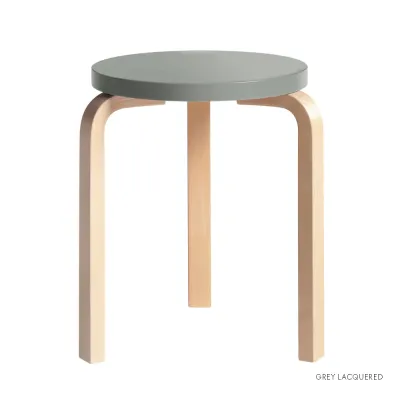
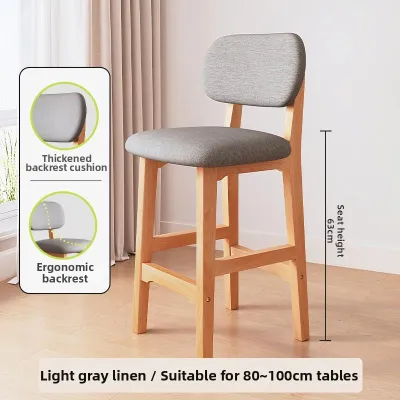
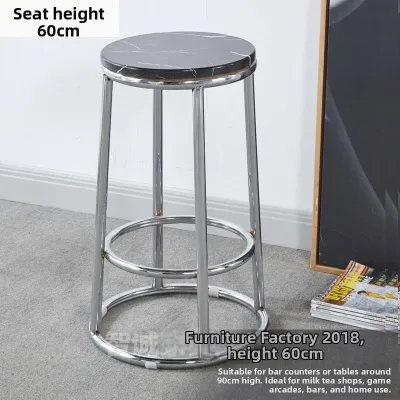
Prices are valid at publication and may change. Please refer to the product page for the latest price.
In contrast, the broader premium Scandinavian market features brands that emerged decades later, bringing a different set of design philosophies to Singaporean homes. Brands like Muuto, Hay, Fredericia, and Gubi represent a shift toward contemporary minimalism and playful modernism. While they honor the Nordic tradition of functionality and light, they frequently collaborate with diverse international designers to push aesthetic boundaries. For instance, Muuto’s design language focuses on “new perspectives,” introducing subtle curves, soft pastel tones, and innovative composite materials. Hay emphasizes high-quality design accessible to a wider audience, utilizing sleek steel frames, molded plastic seats, and vibrant, fashion-forward color palettes.
When integrating these pieces into popular Singaporean interior styles, the visual impact of each brand becomes apparent. In a home styled with a Japandi aesthetic—a highly popular fusion of Japanese minimalism and Scandinavian warmth—the organic, solid birch presence of Artek fits seamlessly. The natural wood tones complement indoor plants, textured plaster walls, and neutral color schemes commonly found in modern HDB flats and private condominiums. However, if your home features a highly contemporary, industrial, or ultra-sleek kitchen island, a stool with a lighter visual footprint might be more appropriate. A stool from Hay’s About A Stool series or Muuto’s Fiber Stool collection, featuring slender powder-coated steel legs and low-profile seats, can make a compact open-plan kitchen feel significantly more spacious and airy.
Build Quality and Materials: What to Verify Before Purchasing
The materials and construction methods used by Artek and its contemporary competitors differ significantly, directly impacting how they wear over time. Artek’s commitment to solid wood craftsmanship is centered on Finnish birch, a dense, slow-growing timber known for its strength and uniform grain. The brand’s signature bentwood components are created by cutting slits into the end of a solid wood piece, inserting thin wood veneers glued with adhesive, and then applying heat and pressure to bend the timber. This process preserves the continuous grain of the wood, ensuring that the bent leg remains exceptionally strong and stable without relying on metal brackets or complex interlocking joints.

Other premium Scandinavian brands often utilize different material palettes to achieve their design goals. Molded oak or ash plywood is highly common, allowing for complex, ergonomic curves that hug the body, as seen in Muuto’s Nerd stool or Fredericia’s Trinidad chair. Many contemporary designs also incorporate powder-coated steel or die-cast aluminum frames, which offer incredible structural strength with minimal bulk. Seats may be crafted from polypropylene composites, fiberglass, or fully upholstered in high-end European textiles (such as Kvadrat wool) or premium aniline leathers.
In Singapore’s tropical, high-humidity climate, material selection requires careful consideration. High humidity levels can cause solid wood to expand, while the frequent use of air conditioning can dry it out rapidly, leading to micro-cracks or joint stress over time. Before purchasing, buyers should verify the manufacturer’s specific care and finish instructions. For solid wood stools, look for protective finishes like clear polyurethane lacquers or specialized matte varnishes that seal the wood against moisture ingress. Avoid using untreated or purely oiled solid wood in areas prone to spills or high humidity unless you are prepared for regular maintenance.
Stability and safety are equally critical when selecting bar stools, particularly for high-traffic kitchen islands. When evaluating different models, check the manufacturer’s specified maximum load ratings and examine the physical footprint of the stool. Stools with a wider base footprint generally offer greater stability, reducing the risk of tipping—a vital consideration for households with young children or elderly family members. Additionally, pay close attention to the footrest design. A wooden footrest can show wear, scuffs, and dirt quickly; look for models that feature protective metal sleeves (such as stainless steel or brass) on the footrest rung to preserve the material and ensure long-term durability. Always inspect joint construction and finish quality in person at a showroom, as a material name on a spec sheet cannot guarantee the precision of the final product.
Pricing and Value: Evaluating Costs in the Singapore Market
Investing in authentic Scandinavian design requires a clear understanding of the premium pricing tier in Singapore. High-end, original bar stools typically range from S$600 to upwards of S$1,800 per stool. Because these prices represent a significant financial commitment, it is essential to analyze what drives the cost of each brand to determine where your personal value lies.
For Artek, the primary value drivers are historical pedigree, artisanal manufacturing origins, and collectibility. Because Artek stools are manufactured in Finland using specialized, proprietary wood-bending techniques, you are paying for a piece of design history that is widely exhibited in museums worldwide. These stools are built to last generations, and historically, authentic Artek pieces maintain high resale values in the vintage design market. The value here is intangible yet durable: you are buying an heirloom.
For other premium Scandinavian brands, the value drivers are often centered on contemporary engineering, customization, and ergonomic versatility. Brands like Hay or Muuto may offer a lower entry price point for their basic molded plastic or plywood models, but the price can increase significantly as you add custom options. The value in these brands lies in their ability to adapt to your precise interior design requirements. You can often choose from dozens of fabric or leather upholstery options, multiple frame finishes, and varying seat heights, allowing you to tailor the stool to your specific space.
When comparing options, Singaporean homeowners should always request comprehensive, itemized quotes from authorized local retailers. When evaluating the final SGD price, ensure you verify exactly what is included:
- Shipping Lead Times: Custom configurations or items not currently in local stock can take anywhere from 12 to 16 weeks to arrive from Europe.
- Import Duties and Taxes: Confirm if the quoted price is fully inclusive of local GST (Goods and Services Tax) and any associated customs clearance fees.
- Delivery and Assembly: Verify if the retailer includes professional white-glove delivery, unpacking, and on-site assembly within the price, or if these services incur additional charges.
- Warranty Coverage: Ensure the quote includes official manufacturer warranty registration, which protects your investment against structural defects.
Showroom Experience and After-Sales Support in Singapore
Because a bar stool is a highly interactive piece of furniture, purchasing one without physical testing is a significant risk. The ergonomics of a stool—specifically how the seat depth, backrest angle, and footrest height align with your body—cannot be judged from digital images or spec sheets. Homeowners in Singapore should plan visits to authorized premium showrooms, typically located in design-centric enclaves such as River Valley, Outram, or the Orchard fringe. When testing stools, spend at least 10 to 15 minutes sitting on each model. Mimic your daily activities: lean forward as if writing on a laptop, sit back as if enjoying a morning coffee, and test how easy it is to mount and dismount the stool.
When shopping, it is crucial to distinguish between authorized local distributors and third-party parallel importers. Authorized distributors maintain direct relationships with the European factories, ensuring that the products are genuine, stored in climate-controlled environments, and backed by official manufacturer warranties. Parallel importers may offer enticing upfront discounts, but they often lack the direct factory support required if a structural issue arises or if you need replacement parts years down the road.
To secure long-term value, ask the showroom sales representatives specific after-sales questions before making your purchase:
- Availability of Consumables: Can you easily purchase replacement floor glides (such as felt glides for timber floors or plastic glides for tiled surfaces) when the original ones wear down?
- Footrest Protection: Are replacement metal footrest caps or sleeves available if the original components become damaged or tarnished?
- Local Refinishing and Repairs: Does the distributor offer professional local repair services for solid wood finishes, lacquers, or upholstery?
- Warranty Terms: Does the warranty cover residential use, and does it remain valid if the stool is placed in a semi-outdoor environment (such as a sheltered balcony bar)?
Final Decision Framework: Which Brand Fits Your Needs?
To finalize your decision, align your practical requirements and design preferences with the distinct characteristics of each brand.
Choose Artek if:
- You have a deep appreciation for mid-century modern design heritage and want to own a certified piece of architectural history.
- Your home features a Japandi, Scandinavian, or warm minimalist aesthetic that benefits from the rich, natural texture of solid Finnish birch.
- You prioritize timeless functionalism and want furniture that is designed to age beautifully, acquiring a unique patina over decades of use.
- You prefer a grounded, solid wood aesthetic with a substantial visual presence around your kitchen island.
Choose other premium Scandinavian brands if:
- Your interior style leans toward contemporary, industrial, or ultra-sleek modern design that requires mixed-material elements like steel, aluminum, or molded composites.
- You require highly specific color coordination, such as matching the stool shell to a precise paint swatch or selecting custom premium leather upholstery.
- You prefer a lighter visual footprint that keeps small, open-concept living spaces looking open and uncluttered.
- You want a wider range of ergonomic shell shapes, including high, supportive backrests and deeply contoured seat pans.
Verify first if:
- You are purchasing stools for a commercial or high-traffic environment, such as a home office studio or a rental property. In these cases, check for commercial-grade contract warranties and relevant fire safety certifications.
- Your kitchen counter or island has non-standard height measurements. Always measure from the floor to the underside of your counter before ordering, as European brands typically offer distinct counter-height (approx. 65 cm seat height) and bar-height (approx. 75 cm seat height) models.
Frequently Asked Questions (FAQ)
What is the standard height difference between a kitchen counter and a bar stool?
For optimal ergonomic comfort, there should be a clearance of approximately 25 to 30 cm between the underside of your kitchen counter or island and the top of the bar stool’s seat. In Singapore, most standard residential kitchen islands and counters stand at a height of 90 cm; for these setups, counter-height stools with a seat height of 60 to 65 cm are ideal. If you have a custom elevated bar counter that stands at 100 to 105 cm, you will require bar-height stools with a seat height of 70 to 75 cm. Always measure your specific counter height before finalizing your purchase to avoid uncomfortable seating postures.
How do I maintain solid wood bar stools in Singapore’s humid climate?
Maintaining solid wood bar stools in a tropical climate requires minimizing exposure to extreme environmental shifts. Avoid positioning your wooden stools in direct sunlight near large windows, as prolonged UV exposure can dry out the wood fibers, cause warping, and fade the protective lacquer or stain. Keep the stools away from the direct, cold draft of air-conditioning units, which can cause rapid localized humidity drops and stress the wood joints. Wipe up any liquid spills immediately using a soft, lint-free cloth to prevent the moisture from penetrating the finish and leaving permanent water marks. Finally, strictly adhere to the manufacturer’s care instructions regarding the use of specific wood polishes, oils, or gentle cleaning agents suitable for your stool’s exact finish.
Community discussion
Share your experience or ask a question. Comments are reviewed before publication.