
Quick Answer: Artek 60 Stool vs Stool 61
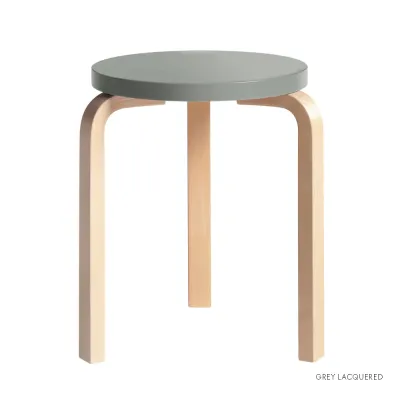
When choosing between these two masterpieces designed by Alvar Aalto, the primary decision factor is the leg configuration and how it affects stability, space, and aesthetics. The artek 60 stool features the iconic three-legged design, offering a minimalist, asymmetrical silhouette and a highly compact, spiral-stacking footprint. In contrast, the Stool 61 is built with four legs, providing a more symmetrical, grounded appearance and a highly stable base that feels familiar in traditional seating arrangements.
Your choice depends on how you plan to use the stool in your home. If you prioritize maximum space-saving capabilities, a lighter visual presence, and the historical purity of Aalto’s original 1933 concept, the three-legged Artek 60 stool is the ideal fit. If you require a stool that serves as a highly stable, everyday dining chair or a step stool where weight distribution must be perfectly balanced across four corners, the Stool 61 is the more practical option. Both models utilize the innovative L-leg bend, but they serve distinct functional roles in modern homes.
Design and Visual Footprint
To appreciate the design language of both stools, one must understand the history of the L-leg. Patented by Alvar Aalto in the 1930s, this technique involves bending solid birch wood using steam and saw cuts, allowing the legs to be screwed directly to the underside of the round seat without the need for complex mortise-and-tenon joints. This innovation transformed modern furniture production, creating a clean, organic connection between the horizontal seat and the vertical support. Both the Stool 60 and Stool 61 showcase this elegant engineering, but they project entirely different visual energies in a room.
Products mentioned in this guide
Prices are valid at publication and may change. Please refer to the product page for the latest price.

The three-legged Stool 60 is widely celebrated for its dynamic, almost kinetic appearance. Because it has only three legs, its silhouette changes depending on the angle from which you view it. This asymmetry gives the stool a sculptural quality, making it feel light, airy, and unobtrusive. In compact Singapore apartments, where floor space is at a premium and visual clutter can quickly overwhelm a room, the Stool 60 acts as a subtle design accent. It does not block sightlines, allowing light to pass through its open frame and giving the illusion of a larger, more open living area.
On the other hand, the four-legged Stool 61 offers a sense of architectural permanence and symmetry. With a leg positioned at four equidistant points around the circular seat, this model feels grounded and structurally balanced from every angle. It aligns naturally with the clean, right-angled geometry of modern dining tables, desks, and shelving units. The Stool 61 is often preferred by those who find comfort in classic, symmetrical proportions or who want a stool that looks cohesive alongside traditional four-legged dining chairs.
Integrating these classics into your interior design depends on your overarching style. The Stool 60 fits seamlessly into highly minimalist, mid-century modern, or Scandinavian-inspired spaces where organic shapes and negative space are celebrated. The Stool 61 works beautifully in contemporary, transitional, or slightly more formal settings where structural balance is key. By understanding how the leg count alters the visual weight of the furniture, you can choose the model that complements your existing layout without overpowering your decor.
Stability, Comfort, and Daily Use
The physical experience of using these stools daily reveals distinct differences in stability and weight distribution. A fundamental law of physics governs the three-legged Stool 60: three points of contact always define a single geometric plane. This means that on slightly uneven surfaces—such as rustic tiled floors, textured rugs, or older apartment flooring—the Stool 60 will never wobble. All three legs will remain firmly in contact with the ground, providing a stable platform. However, because the center of gravity is distributed across three points, leaning too far over the edge between two legs can cause the stool to tip. Users must sit relatively centered to maintain balance.
The four-legged Stool 61 provides a more traditional stability profile. With four legs supporting the seat, the base footprint is wider and more forgiving of off-center weight distribution. This makes it an excellent option for households with active children, older adults, or anyone who intends to use the stool as a temporary step stool to reach high cabinets. While a four-legged stool can theoretically wobble if the floor is uneven, the structural rigidity of Artek’s solid birch construction minimizes this issue on standard flat surfaces.
In terms of seating comfort, both stools share the same seat diameter and standard dining height, making them physically comfortable for adults during meals or work sessions. The solid birch seat is supportive, though its flat, unpadded surface is best suited for short-to-medium-duration sitting. For extended use at a desk or dining table, some homeowners choose to add custom felt or leather seat cushions, which are widely available and designed specifically for Aalto’s circular seats.
When deciding which model to use, consider the primary function of the stool. If you need a versatile piece that primarily serves as a side table next to a sofa, a plant stand, or occasional seating for guests, the Stool 60 offers excellent flexibility. If you are planning to use the stools as primary dining chairs around a busy family table, the extra stability and traditional feel of the Stool 61 make it a highly reliable and secure choice for daily, repetitive use.
Space Planning and Stacking Capabilities
Efficient space planning is a critical consideration for urban living, particularly in Singapore where residential square footage is highly valued. Both the Stool 60 and Stool 61 were designed with stacking in mind, allowing homeowners to store multiple seats in a minimal footprint. However, the mechanics of how they stack differ significantly due to their leg configurations.
The three-legged Stool 60 is world-renowned for its iconic spiral stacking design. When stacked, each subsequent stool rotates slightly, creating a beautiful, sculptural wooden column that winds upward. This spiral stack is incredibly tight, meaning that ten stacked stools occupy virtually the same floor space as a single stool. This makes the Stool 60 an extraordinary space-saver for apartments where extra seating is only needed when hosting guests. You can easily tuck a stack of three or four stools into a corner, pantry, or closet, retrieving them only when the occasion demands.
The four-legged Stool 61 also stacks efficiently, but the addition of the fourth leg alters the geometry of the stack. Instead of a tight spiral, the Stool 61 stacks in a more linear, vertical fashion with a slight rotation. Because of the extra leg, the stacked column is slightly wider and heavier than a stack of Stool 60s. While it remains a highly effective way to save space compared to traditional non-stacking chairs, it requires a fraction more floor clearance and is slightly more cumbersome to lift and move in large quantities.
Beyond stacking, you should consider how the legs interact with your dining table or desk. The three legs of the Stool 60 allow for highly flexible placement, as users can easily slide their legs around the stool without hitting a wooden barrier. This flexibility is highly beneficial when squeezing multiple guests around a circular dining table. The four legs of the Stool 61 define a clearer boundary, which provides a structured seating pocket but limits the angles from which a user can comfortably sit or slide into the chair. Measuring your table’s clearance and considering how people move around it will help you determine which leg configuration offers the smoothest flow.
Material, Finish, and Maintenance
Both the Stool 60 and Stool 61 are manufactured in Finland from high-quality, locally sourced solid birch. This slow-growing northern wood is prized for its dense grain, exceptional strength, and pale, warm coloration. Artek’s commitment to sustainable forestry and traditional manufacturing ensures that each stool is built to last for generations, often developing a beautiful golden patina as the wood ages and is exposed to natural light.
When purchasing either model, you can choose from a wide variety of finishes to match your interior palette. The natural lacquered birch finish is the most classic option, highlighting the organic grain and bringing a warm, natural texture into modern spaces. For a more graphic or colorful look, Artek offers stained finishes, painted seats, and tops upholstered in linoleum or leather. A black or white lacquered seat can create a striking contrast in a monochrome room, while a linoleum top offers a soft, matte texture that is highly resistant to scratches and fingerprints.
Maintaining these stools in Singapore’s tropical climate requires a few simple, low-risk care steps. Because solid wood is sensitive to extreme shifts in humidity and temperature, it is best to keep your stools away from direct sunlight, which can dry out the wood and cause finishes to fade or crack. Avoid placing the stools directly in front of air conditioning units or in areas prone to high moisture, such as bathrooms or open-air balconies. For regular cleaning, a simple dusting with a dry, soft microfiber cloth is usually sufficient to keep the surfaces looking pristine.
To protect your flooring and the bottom of the stool legs, it is highly recommended to apply felt pads to the feet. This is especially important on hard surfaces common in Singaporean homes, such as polished marble, vinyl, or engineered timber, as it prevents scratching and dampens noise when the stools are moved. If a spill occurs, wipe it up immediately with a slightly damp cloth, and avoid using harsh chemical cleaners or abrasive pads. Always refer to the specific care instructions provided by the authorized retailer or manufacturer to ensure you use approved cleaning products for your specific finish.
Decision Framework: Which One Should You Choose?
Selecting the right Artek stool comes down to balancing your aesthetic preferences with the practical demands of your living space. To help streamline your decision, use the following structured framework to identify which model aligns with your lifestyle.
Choose the Stool 60 if:
- Tight Spaces: You live in a compact apartment and need to maximize floor space with tight, spiral-stacking furniture.
- Sculptural Aesthetics: You prefer a highly minimalist, sculptural design with a lighter visual presence.
- Design Heritage: You appreciate the historical significance of Alvar Aalto's original three-legged masterpiece.
- Versatility: You plan to use the stool as a flexible, multi-functional accent piece, such as a side table or plant pedestal.
Choose the Stool 61 if:
- Daily Dining: You want maximum stability and a traditional, symmetrical seating experience for daily dining or desk work.
- Household Safety: Your household includes young children or older adults who require a highly secure, tip-resistant base.
- Symmetrical Balance: You prefer the balanced, architectural look of a four-legged chair that aligns neatly with rectangular tables.
- Utility Use: You plan to occasionally use the stool as a step ladder to reach high storage areas.
Verify first if:
- Commercial Guidelines: You are purchasing stools for a commercial or high-traffic environment, where local safety regulations or specific load capacities may dictate a four-legged design.
- Table Clearances: You are pairing the stools with non-standard table heights; while both models are standard dining height, ensure they provide comfortable leg clearance under your specific table apron.
- Weight Specifications: You have specific weight capacity requirements; consult with your authorized Artek retailer to verify the structural specifications and weight limits for each model before finalizing your purchase.
Frequently Asked Questions (FAQ)
Understanding how these stools fit into your home often brings up specific questions about configuration and environmental resilience. Below are answers to some of the most common queries regarding the Artek 60 and Stool 61.
Can You Mix Stool 60 and Stool 61 at the Same Table?
Yes, mixing the Stool 60 and Stool 61 at the same table is an excellent way to create a dynamic, curated look. Because both models share the exact same seat height, seat diameter, and iconic L-leg design language, they maintain structural harmony when placed side by side. The visual contrast between the three-legged and four-legged profiles adds subtle architectural interest to a dining setup without feeling mismatched. To ensure the arrangement looks intentional rather than accidental, try to match the wood finishes or choose complementary seat colors, such as alternating natural birch with black or white lacquered tops.
Are Artek Stools Suitable for Outdoor Use in Singapore?
Standard indoor Artek stools are not suitable for outdoor use in Singapore. The high humidity, intense sunlight, and frequent rainfall characteristic of the tropical climate can quickly damage the solid birch wood, causing it to warp, split, or develop mold. Additionally, the standard indoor lacquers and finishes are not formulated to withstand UV exposure or direct moisture. If you wish to use Artek designs outdoors, you should avoid placing these indoor models on open balconies, patios, or gardens. Always consult with the manufacturer or an authorized retailer to see if they offer specific outdoor-rated collections made from weather-resistant materials.
Community discussion
Share your experience or ask a question. Comments are reviewed before publication.