
When transitioning your child from a crib to a larger bed, safety is the paramount concern for any parent. Zinus kids beds, widely available on various online marketplaces, offer popular and budget-friendly options for growing families. However, determining whether these beds are safe for your child requires looking beyond attractive product photos and marketing descriptions. A bed’s safety is not a universal guarantee; it depends entirely on verifying specific model certifications, executing correct assembly, and conducting regular structural checks.
To make an informed decision, you must understand how to evaluate the physical design, material composition, and official safety credentials of the specific bed frame you plan to purchase. Whether you are budgeting S$200 or S$500 for a new setup, verifying safety certifications is the most critical step. This guide provides a practical, step-by-step framework to help you verify safety standards, assess structural stability, and maintain a secure sleeping environment for your child. By taking an active role in checking these details, you can ensure that your choice supports both a good night’s sleep and long-term peace of mind.
Understanding Key Safety Standards for Kids Beds
Before purchasing any children’s furniture, it is essential to understand the baseline safety standards that govern these products. Structural safety standards are designed to eliminate common hazards such as entrapment, falls, and sharp edges. For kids’ beds, particularly toddler beds and bunk beds, regulatory bodies establish strict guidelines regarding the spacing of slats, spindles, and guardrails. For example, gaps between guardrails or bed frame components must be carefully controlled to prevent head entrapment—a critical hazard where a child’s body can slide through an opening but their head becomes trapped.
Products mentioned in this guide
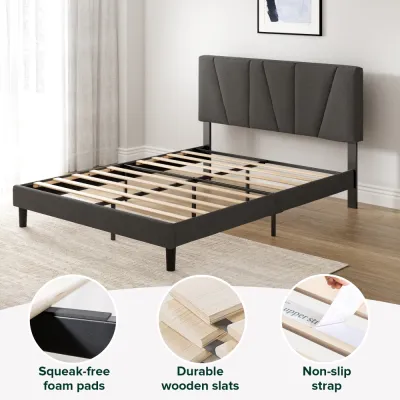
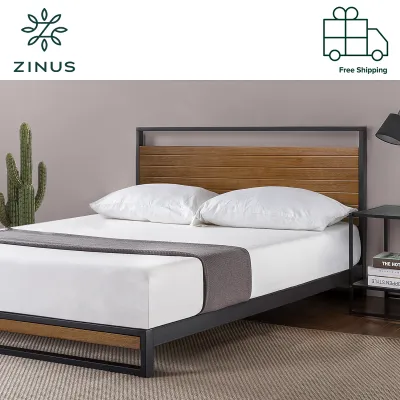
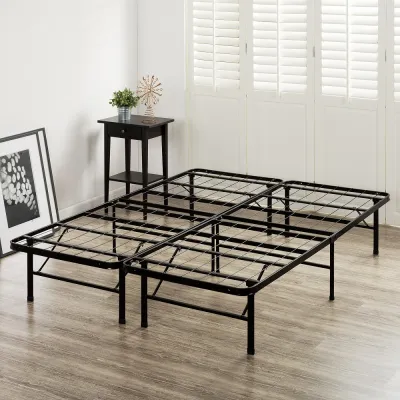
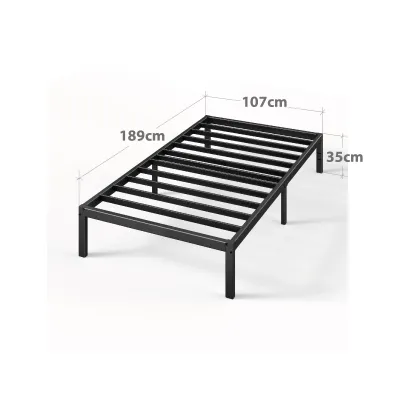
Prices are valid at publication and may change. Please refer to the product page for the latest price.
Material safety is another crucial pillar of children’s furniture standards. Kids are highly sensitive to chemical exposure, making it vital to check for low volatile organic compound (VOC) emissions and the absence of heavy metals, such as lead, in paints and finishes. Legitimate safety standards, such as those established by ASTM International or the Consumer Product Safety Commission (CPSC), require rigorous testing to ensure materials do not pose chemical hazards over time.
When browsing product listings, you will often encounter generic marketing claims such as “kid-safe,” “non-toxic,” or “eco-friendly.” It is important to distinguish these unverified claims from legitimate, third-party certifications. True safety certifications are awarded by independent testing organizations that verify compliance with specific, measurable standards. Look for recognized certification marks, such as GREENGUARD Gold for chemical emissions or CertiPUR-US for polyurethane foam, which indicate that the product has undergone independent laboratory testing.
How to Verify Zinus Kids Bed Certifications
Verifying the safety credentials of a Zinus kids bed requires a proactive approach before you complete your purchase. Start by thoroughly reviewing the official product page on the manufacturer’s website or authorized retail platforms. Look for a dedicated specifications tab, downloadable user manuals, or compliance sheets. Manufacturers committed to safety often publish their compliance certificates directly on these pages, allowing you to confirm which specific standards the bed has met.

If the online product listing lacks clear certification details, do not hesitate to contact customer support directly. Request formal documentation, such as a Children’s Product Certificate (CPC) or test reports demonstrating compliance with ASTM safety standards. A reputable manufacturer should be able to provide these documents to verify their safety claims. If customer support is unable or unwilling to provide proof of third-party testing, it is best to consider alternative options that offer transparent safety documentation.
Once the bed is delivered to your home, perform a physical inspection before beginning the assembly process. Check the packaging and the product itself for physical safety labels, warning tags, and manufacturer stamps. These labels often contain critical safety information, such as age restrictions, maximum weight capacities, and mattress thickness requirements. Ensure that the information on these physical labels matches the advertised claims and specifications you reviewed online. If you notice any discrepancies or missing warning labels, contact the manufacturer before allowing your child to use the bed.
Structural Safety and Stability Checks
Evaluating the physical design and structural stability of a kids bed is essential to prevent accidents such as tipping, falls, or structural failure. Begin by examining the guardrail design if the bed is elevated or intended for younger children. Measure the height of the guardrails relative to the mattress you plan to use; the top of the guardrail must extend significantly above the mattress surface to prevent your child from rolling out of bed. Additionally, measure the gaps between the guardrail slats to ensure they are narrow enough to prevent limbs or head entrapment.
Next, verify the manufacturer’s specified weight capacity limits for both the bed frame and the mattress foundation. This weight limit must accommodate the combined weight of the mattress, bedding, your child, and any additional weight from a parent sitting on the edge of the bed during storytime. Keep in mind that material names alone, such as “solid wood” or “steel frame,” do not automatically guarantee a specific load capacity. You must check the official specifications for the exact weight rating and ensure the frame is designed to handle dynamic movement.
Stability also depends on how the bed interacts with your home environment. Before purchasing, measure your available floor space, ceiling height (especially for loft or bunk beds), and access routes like doorways and lifts. In compact apartment layouts, ensuring the bed can be safely positioned away from windows, ceiling fans, and light fixtures is critical. Additionally, check box dimensions to ensure they fit through doorways and lift access during delivery. If the bed design is tall or top-heavy, check if the manufacturer includes anti-tip hardware or wall-anchoring instructions. Securing the bed to the wall is a vital safety step that prevents tipping accidents if a child attempts to climb the frame.
Material Safety and Off-Gassing Considerations
The chemical safety of the materials used in your child’s bed is just as important as its structural stability. When reviewing bed specifications, look for indicators of safe material finishes. If the bed is constructed from engineered wood, such as MDF or particleboard, verify that it complies with formaldehyde emission standards, such as TSCA Title VI or CARB Phase 2. For painted or stained finishes, ensure the manufacturer specifies the use of non-toxic, lead-free coatings to protect your child from harmful chemical exposure.
If you are purchasing a bundled set that includes both a Zinus bed frame and a mattress, pay close attention to the mattress certifications. Look for the CertiPUR-US seal, which certifies that the polyurethane foam used in the mattress is made without ozone depleters, PBDE flame retardants, heavy metals, or formaldehyde, and has low VOC emissions. This certification is a reliable indicator that the foam components have been tested for environmental and health safety.
Upon unboxing your new bed frame or mattress, you may notice a distinct chemical odor, commonly referred to as off-gassing. While this odor is typical for newly manufactured materials, it is important to manage it properly, especially in humid climates where indoor air can become stagnant. Unbox the product in a well-ventilated area, away from your child’s primary living space. Open windows, use mechanical fans, or run an air purifier to facilitate airflow. Allow the bed frame and mattress to air out for at least 24 to 72 hours, or until the odor has completely dissipated, before introducing it to your child’s bedroom.
Safe Assembly and Ongoing Maintenance
Proper assembly is critical to ensuring the structural integrity and safety of any kids bed. When assembling a Zinus bed, strictly follow the manufacturer’s step-by-step instructions. Lay out all components, brackets, and screws before starting, and verify that you have received all the correct parts. Use only the hardware provided or explicitly approved by the manufacturer; substituting random screws or bolts can lead to weak joints and structural failure. Avoid using power tools unless specified, as over-tightening can strip screw holes in engineered wood or crack solid wood components.
Once the bed is assembled, establish a routine maintenance schedule to monitor its condition over time. Kids’ beds are subjected to active use, which can cause hardware to loosen gradually. Perform an initial check two weeks after assembly to tighten any screws or bolts that may have settled. After that, conduct a thorough physical inspection every three to six months. Check for loose hardware, structural shifting, wood splintering, or bent metal brackets. If you notice any squeaking or swaying during use, inspect the joints immediately to identify and tighten loose connections.
Knowing when to stop using a bed is a vital aspect of child safety. If you discover significant structural damage, such as cracked support slats, stripped screw holes that can no longer hold hardware securely, or a compromised guardrail, halt usage immediately. Do not attempt temporary fixes with tape, glue, or unapproved hardware. Contact the manufacturer to inquire about official replacement parts, or consult a qualified furniture professional to assess whether the bed can be safely repaired. Keeping your child off a damaged bed is the only way to prevent avoidable accidents.
Frequently Asked Questions (FAQ)
Do Zinus kids beds require a box spring?
Most Zinus kids beds are designed as platform beds with built-in wooden or metal slat support systems, meaning they do not require a box spring. Adding a box spring can significantly raise the mattress height, which may compromise the safety of the guardrails by reducing their effective height. Always check your specific model’s manual to confirm slat spacing and foundation requirements.
What is the recommended mattress thickness for guardrails?
To maintain safety, the top of the guardrail must sit at least 12.7 cm (5 inches) above the top surface of the mattress. Check your specific Zinus model’s manual for the maximum recommended mattress thickness, which is typically between 15 and 20 cm (6 to 8 inches) for kids’ beds and bunk beds. Using a mattress that is too thick bypasses the guardrail’s protective barrier.
How often should I inspect the bed frame for loose hardware?
You should perform an initial hardware check two weeks after assembly to tighten any connections that settled during early use. After that, inspect the frame every three to six months. If you hear squeaking, feel any swaying, or if your child frequently jumps on the bed, inspect the joints immediately to prevent structural failure.
Community discussion
Share your experience or ask a question. Comments are reviewed before publication.