
When choosing furniture for a shared children’s bedroom, safety is naturally your highest priority. If you are considering a steel bed frame for a bunk bed, the direct answer is yes: steel bunk beds can be exceptionally safe for children, provided they are engineered specifically for youth use and meet recognized safety standards.
While wood has historically been the traditional choice, modern steel bed frames offer distinct structural advantages. Steel provides high tensile strength, does not warp or crack under changing environmental conditions, and is completely immune to pests like termites. However, the safety of a bunk bed does not rely on the raw material alone; instead, it depends entirely on the frame’s structural design, joint integrity, and proper assembly.
To ensure your children remain safe while sleeping and climbing, you must look beyond the aesthetic appeal of a metal frame. Evaluating specific physical features, weight capacities, and spatial requirements will help you select a secure, long-lasting bed frame that fits perfectly within your home.
Products mentioned in this guide
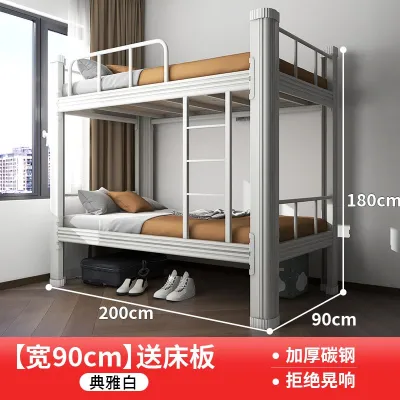
Prices are valid at publication and may change. Please refer to the product page for the latest price.
Critical Safety Features to Inspect Before Buying
Evaluating a steel bunk bed requires a close look at its physical construction. Unlike single-level beds, bunk beds must withstand constant vertical and lateral forces from children climbing up and down daily. Inspecting the following key design elements will help you identify a high-quality, secure frame.
Guard Rails and Gap Dimensions
Guard rails are the primary defense against accidental falls from the upper bunk, which represent the most common bunk bed-related injuries. A safe steel bed frame must feature continuous guard rails on all four sides of the upper bunk. Even if you plan to place the bed directly against a wall, a guard rail is still required on that side; children can easily slide into the gap between the mattress and the wall, leading to dangerous entrapment.
When reviewing manufacturer specifications, check the height of the guard rail relative to the mattress support deck. The top of the guard rail must sit significantly higher than the top surface of the mattress to prevent a child from rolling over the edge. Always verify the manufacturer’s recommended mattress thickness to ensure that once the mattress is installed, the remaining barrier height is sufficient to contain a moving child.
Entrapment is another critical risk associated with poorly designed frames. Gaps between the individual metal slats of the guard rail, or between the bottom rail and the bed frame, must be narrow enough to prevent a child’s head, limbs, or torso from slipping through. Look for product labels or manufacturer documentation confirming compliance with international safety standards, which strictly limit these openings to prevent head entrapment hazards.
Structural Joints and Welding Quality
The overall stability of a steel bed frame depends heavily on the quality of its joints and the thickness of the metal tubing. Thicker, heavier-gauge steel tubes provide superior resistance to bending and bowing under dynamic loads. Lightweight, thin-walled steel frames may feel unstable or wobble when a child climbs the ladder, which can compromise the structure over time.
Before finalizing a purchase, examine the welding points at all major structural joints. High-quality welding should appear smooth, continuous, and clean. Avoid frames that exhibit rough, bumpy welds, visible pinholes, or incomplete joints, as these flaws indicate weak points that could fail under pressure. Furthermore, poorly finished welds can leave sharp metal burrs or edges that can easily scratch skin or snag bedding.
Because steel frames rely on hardware to connect major sections, the fastening system is incredibly important. Standard bolts can gradually back out of their threads due to the vibrations caused by daily movement. Check if the manufacturer includes lock washers, nylon-insert lock nuts (often called nyloc nuts), or pre-applied thread-locking patches on the hardware. These specialized fasteners are designed to resist loosening, keeping the frame rigid and quiet.
Ladder Design and Secure Attachment
Accessing the top bunk safely requires a robust, well-engineered ladder. The ladder must be securely anchored directly to the steel bed frame using heavy-duty bolts or dedicated locking brackets. Avoid models with ladders that simply hook over the side rail without a secondary locking mechanism, as these can easily shift, slide, or detach entirely when a child applies weight.
When comparing ladder styles, consider the physical capabilities of your children. Straight vertical ladders are highly space-efficient but require more physical coordination to climb safely. Angled ladders, which slope gently outward from the frame, are generally easier for younger children to navigate because they allow for a more natural climbing posture. Ladders equipped with integrated handholds at the top offer an extra layer of security as the child transitions from the ladder to the upper mattress.
Finally, inspect the ladder rungs themselves. Narrow, round metal bars can hurt a child’s bare feet and offer very little traction, increasing the risk of slips. Look for flat, wide rungs that distribute the child’s weight comfortably. The surface of each rung should feature a textured, non-slip grip or a rubberized tread to provide secure footing, especially when climbing in the dark or wearing socks.
Weight Limits and Mattress Fit: Hidden Safety Risks
Beyond the visible structure of the frame, safety is heavily influenced by how you equip and use the bed. Exceeding weight limits or choosing the wrong mattress can inadvertently bypass the bed’s built-in safety features.

- Static vs. Dynamic Weight Capacity: Manufacturer weight ratings are typically expressed as static weight, which refers to a stationary load. However, children do not remain perfectly still. Climbing, turning, or sitting down heavily generates dynamic weight, which exerts significantly more force on the steel frame than a sleeping child. Always locate the manufacturer's explicit weight limits for both the upper and lower bunks, and ensure the combined weight of the mattress, bedding, and your child remains well below these thresholds.
- The Danger of Mismatched Mattresses: A common mistake is pairing a bunk bed with a standard, thick pocketed-spring mattress. If the mattress is too thick, it will sit too high within the frame, reducing the effective height of the guard rails. This leaves your child vulnerable to rolling off the top bunk.
- Selecting a Low-Profile Mattress: To maintain the integrity of the safety barriers, select a low-profile mattress specifically designed for bunk beds. These mattresses are typically between 10 and 15 centimetres deep. Additionally, ensure the mattress fits snugly within the steel frame's mattress foundation. There should be no significant gaps along the sides or ends where a child's hand, foot, or toy could become wedged.
Space and Clearance Safety for Singapore Homes
Integrating a steel bunk bed into a Singaporean home requires careful spatial planning. Because many HDB flats and condominiums feature compact bedroom layouts and specific structural elements, safety considerations must extend to the surrounding environment.
First, measure your ceiling clearance carefully. Standard HDB ceiling heights typically range from 2.6 to 2.8 metres. When shopping for a bunk bed, calculate the distance from the top of the upper mattress to the ceiling. There must be enough vertical clearance—ideally at least 75 to 90 centimetres—for your child to sit up fully in bed without risk of bumping their head. Adequate clearance also ensures proper air circulation, preventing the upper bunk from becoming uncomfortably warm.
Second, plan the landing zone at the base of the ladder. The area where your child steps off the ladder must remain completely clear of obstructions. Ensure there is sufficient floor space so that a child descending the ladder, particularly during the night, will not trip over toys, loose rugs, or the sharp corners of nearby furniture like study desks, wardrobes, or bedside tables.
Third, identify and eliminate overhead hazards. Never position a bunk bed directly beneath or within the rotation radius of a ceiling fan, which is a common fixture in Singapore bedrooms. Additionally, keep the bed frame well away from windows, window grilles, and window blind cords. Dangling cords present a serious strangulation hazard, while proximity to open windows poses a severe fall risk.
Ongoing Maintenance and Warning Signs to Stop Use
Even the most robust steel bed frame requires regular maintenance to remain safe over years of use. Establishing a simple care routine and teaching your children proper safety habits will preserve the structural integrity of the bed.
Create a Monthly Maintenance Schedule Set a recurring reminder to inspect the bunk bed’s hardware. Because metal-on-metal connections naturally experience minor vibrations from daily use, bolts and screws can gradually back out. Using the tools provided by the manufacturer, gently tighten all fasteners once a month. Be careful not to overtighten, as this can strip the threads or deform the steel tubing. Always refer to the manufacturer’s care instructions for specific guidance.
Recognize Immediate Stop-Use Conditions Inspect the frame periodically for physical wear. If you observe any of the following warning signs, stop using the bed immediately and contact the manufacturer or a qualified professional for repair or replacement:
- Bent, buckled, or dented steel tubing that compromises the frame's geometry.
- Visible cracks, separation, or rust forming near welding joints.
- Guard rails or ladder attachments that wobble, sag, or no longer lock securely into place.
- Persistent metallic grinding or loud squeaking noises that cannot be resolved by tightening the hardware, which may indicate structural fatigue or worn-out joints.
Reinforce Behavioral Safety Rules Educate your children on how to use the bunk bed safely. Establish a strict rule that the bed is designed solely for sleeping and quiet reading, not for playing. Discourage jumping on either bunk, as sudden impacts generate extreme dynamic forces that can cause metal fatigue. Finally, adhere to the standard safety guideline that children under six years of age should never sleep on or play near the upper bunk, as they may lack the coordination required to navigate the ladder and heights safely.
Frequently Asked Questions (FAQ)
Do steel bunk beds squeak more than wooden ones?
Squeaking in steel bed frames is rarely a flaw of the steel itself; instead, it is almost always caused by metal-on-metal friction at the joint connections. When bolts loosen slightly over time, the tiny movements of the frame cause the metal components to rub together, producing noise. You can easily prevent or resolve this issue by ensuring all hardware is tightened securely. For a more permanent solution, consider placing thin nylon or rubber washers between the metal connection points during assembly to absorb friction and eliminate noise.
How does Singapore's humidity affect steel bed frames?
Singapore’s high ambient humidity can accelerate the oxidation of raw steel, potentially leading to rust. However, modern steel bunk beds designed for indoor residential use are typically treated with a durable powder coating or specialized anti-rust finishes that seal the metal away from moisture. To protect this finish, avoid placing the bed frame directly adjacent to highly humid areas, such as an en-suite bathroom door without proper ventilation. Periodically inspect the frame for any deep chips or scratches in the coating, and contact the manufacturer for advice on touch-up options if the bare metal becomes exposed.
Community discussion
Share your experience or ask a question. Comments are reviewed before publication.