
Folding beds offer a practical, space-saving solution for modern homes, particularly in space-constrained apartments where rooms often serve multiple purposes. When hosting guests or setting up temporary sleeping arrangements, these versatile pieces of furniture can be highly convenient. However, when the primary user is a child, safety must be the primary consideration before making a purchase.
While folding beds are generally suitable for older children under proper conditions, they possess inherent mechanical risks that standard stationary bed frames do not. Understanding these physical hazards, evaluating structural features, and establishing strict household rules are essential steps to ensure your child remains safe. By looking beyond convenience and focusing on build quality, parents can make an informed decision that balances utility with peace of mind.
Common Safety Hazards of Folding Beds for Kids
The primary concern with any folding furniture is the presence of moving parts, which naturally create pinch points and entrapment hazards. Hinges, scissor joints, and folding seams can easily catch small fingers, hands, or limbs if the bed is operated, adjusted, or shifted while a child is nearby. Even when the bed is fully open, gaps between the frame and the folding mechanisms can pose risks if a child plays underneath or around the structure.
Products mentioned in this guide
![[SG SELLER] PORTABLE LIGHTWEIGHT HEAVY DUTY 3D AND 4D FOLDING BED CAN PURCHASE WITH OR WITHOUT 4D MATTRESS PERFECT FOR OUTDOORS AND INDOORS](https://img.lazcdn.com/g/p/e7c2dfaaf06d0b68cf7cd8f28f6d88b0.png_400x400q80.png_.webp)
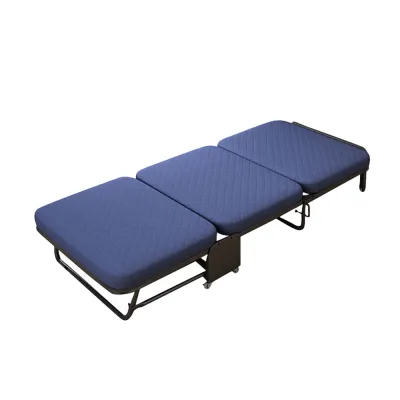


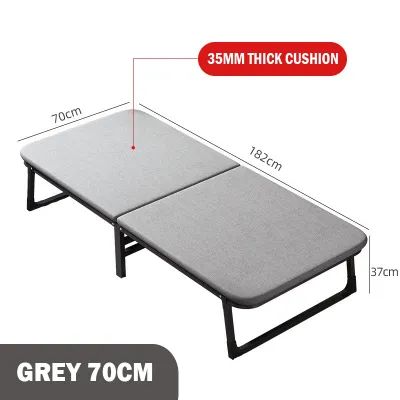

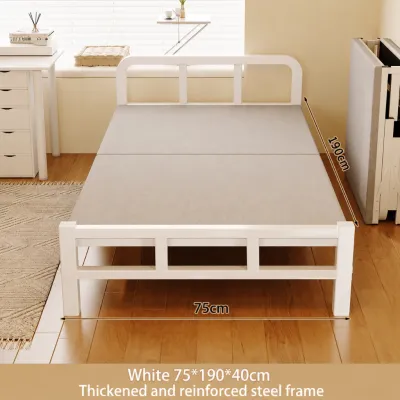
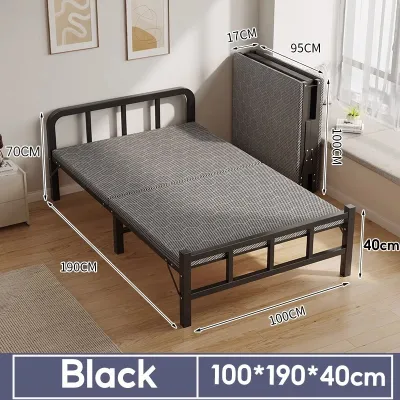
Prices are valid at publication and may change. Please refer to the product page for the latest price.
Entrapment risks also extend to the perimeter of the mattress. If the mattress is not correctly sized for the frame, or if it shifts during sleep, dangerous gaps can open up along the sides or at the head and foot of the bed. A child can slip into these voids, leading to physical injury or positional asphyxiation, especially if they are unable to extricate themselves.
Collapse hazards represent another significant risk that parents must carefully evaluate. If a locking mechanism fails, is poorly designed, or is accidentally disengaged by a child playing near the release levers, the bed can fold unexpectedly. A sudden collapse can trap a child inside the folding frame, leading to severe impact or crush injuries from heavy metal or wooden components.
Stability and tipping risks are also heightened when children use folding beds. Unlike heavy, stationary wooden or upholstered bed frames, folding beds are lightweight and designed for mobility, meaning they can tip over if a child shifts their weight unevenly. This is particularly dangerous if a child leans heavily against the headboard, sits on the very edge, or attempts to climb the frame.
The dynamic forces of play, such as bouncing, rolling, or tossing, can easily destabilize a folding bed. Because the legs are often angled or mounted on wheels, lateral movement can cause the legs to slide or fold inward if they are not securely locked in place. This makes active play on or around the bed a major safety concern.
How to Evaluate Locking Mechanisms and Structural Stability
When shopping for a folding bed, the locking mechanism is the most critical safety feature to inspect. Look for robust primary locking systems, such as heavy-duty steel pins, spring-loaded latches, or automatic engagement systems that click audibly into place when the bed is fully opened. These systems must be sturdy enough to withstand sudden movements without slipping or releasing.

A reliable locking system should require a deliberate, multi-step action to disengage. This design prevents accidental folding if a child bumps into the release lever, plays with the mechanism underneath the bed, or if the frame is jarred during use. Avoid models with loose, gravity-based latches that can easily slide out of position.
Secondary safety locks or manual release levers provide an essential backup layer of protection. These secondary systems ensure that even if the primary lock is somehow bypassed or fails, the frame remains rigidly locked in the open position until an adult manually releases the safety catch. This redundancy is a hallmark of high-quality, child-safe furniture.
Frame rigidity is another key indicator of overall stability and safety. Examine the thickness of the metal tubing or wooden frame, paying close attention to the weld quality at the joints and the sturdiness of the leg bracing. A frame that twists or flexes easily when light pressure is applied is highly likely to become unstable over time.
The support base—whether it consists of wooden slats, wire mesh, or tensioned fabric—must be checked for sagging and secure attachment. A sagging base not only compromises sleeping comfort but also puts uneven stress on the folding joints, accelerating mechanical wear and increasing the risk of structural failure. Ensure all slats are securely anchored and that wire mesh is tightly tensioned.
Weight Limits, Age Recommendations, and Usage Boundaries
Every folding bed is engineered with a specific maximum weight capacity, which must be clearly stated in the manufacturer’s specifications. Parents should locate this limit and interpret it conservatively, keeping in mind that the weight of the mattress, heavy bedding, and the child must all be factored into the total load. Never exceed this limit, as overloading can cause metal fatigue and sudden structural failure.
However, a child’s age, physical mobility, and behavioral tendencies are often more critical than weight alone. A child who is highly active, prone to sleepwalking, or likely to jump on the bed poses a much higher risk of destabilizing the frame than a quiet sleeper of the same weight. For this reason, folding beds are generally not recommended for very young children who lack the coordination to navigate an elevated, potentially unstable sleeping surface safely.
Establishing clear household rules is vital for preventing accidents and ensuring long-term safety. Children must be taught that a folding bed is strictly for sleeping and resting, with zero tolerance for jumping, roughhousing, or using the bed as a play platform. These boundaries help prevent the dynamic impacts that lead to frame collapse or tipping.
Additionally, instruct children never to sit on the unsupported edges or corners of the bed. Because folding beds often rely on centralized leg supports, sitting on the extreme head or foot of the bed can cause the frame to tilt or the legs to slide, potentially leading to a fall. Emphasize the importance of sleeping in the center of the mattress where support is most stable.
Safety Standards and Certifications to Look For
To ensure a folding bed has undergone rigorous safety testing, parents should look for verifiable regional or international furniture safety certification marks. These marks, often found on the product packaging, frame labels, or user manual, indicate compliance with recognized safety protocols. Look for standards that specifically cover domestic folding beds and folding mechanisms.
When reviewing certifications, check for specific testing standards related to strength, durability, and safety requirements. These standards typically evaluate the frame’s resistance to impact, the durability of the hinges under repeated folding cycles, and the reliability of the locking mechanisms. A certified bed has been proven to resist accidental folding under simulated use conditions.
In addition to structural integrity, material toxicity testing is crucial, especially for children’s furniture. Look for certifications that verify the paint, finishes, and fabrics used on the bed are free from harmful chemicals, heavy metals, and volatile organic compounds (VOCs). This is particularly important if your child has sensitive skin or respiratory conditions.
Do not rely solely on vague marketing descriptions such as “child-safe” or “certified sturdy.” Instead, verify these claims by checking the manufacturer’s official documentation or user manual for the exact standard codes and testing laboratory details. Legitimate manufacturers are always willing to provide compliance certificates upon request.
If a retailer cannot provide clear evidence of safety testing or compliance with recognized standards, it is best to look for an alternative product. Prioritizing transparent safety documentation ensures you are purchasing a bed that has been independently verified for safety rather than relying on unverified claims.
Safe Setup and Daily Maintenance Checklist
Safe usage of a folding bed requires a disciplined routine every time the bed is deployed. Before allowing a child to lie down, an adult must physically verify that all primary and secondary locks are fully engaged and that the legs are resting flat on a level surface. Never delegate the setup of a folding bed to a child, as they may not recognize an incomplete lock.
Perform a quick physical shake test after setting up the bed to ensure there is no wobbling, sliding, or unexpected movement in the frame joints. If the bed is equipped with caster wheels, ensure the wheel locks are fully engaged to prevent the bed from rolling or shifting when the child moves.
Establish a regular maintenance schedule to inspect the bed’s mechanical components. At least once a month, check for loose screws, worn hinges, bent frame tubes, or any signs of rust and material fatigue that could compromise structural integrity. Tighten any loose hardware immediately using the correct tools.
Lubricate moving joints according to the manufacturer’s instructions to prevent friction wear and ensure smooth operation. However, ensure that no lubricant gets onto the locking surfaces or pins, as this could cause them to slip out of position during use.
Define clear stop-use conditions for the household: if you observe any bent metal, cracked wooden slats, loose rivets, or a locking mechanism that does not click securely into place, immediately halt use of the bed. Do not attempt makeshift repairs with tape, ropes, or non-standard hardware. Instead, contact the manufacturer or a qualified professional for replacement parts or guidance.
Frequently Asked Questions (FAQ)
Can a toddler sleep on a folding bed?
Toddlers should not sleep on standard folding beds due to the high risk of entrapment, falls, and mechanical hazards. Toddlers lack the physical coordination to navigate these beds safely, and their smaller limbs are highly vulnerable to pinch points. If a temporary bed is needed for a toddler, floor-level alternatives like a travel cot or a low-profile floor mattress are much safer options that eliminate fall and collapse risks. Always check the manufacturer’s minimum age recommendations before use.
What should I do if the folding bed gets stuck or won't lock?
If a folding bed becomes stuck, resists folding, or fails to lock securely, stop using it immediately and do not force the mechanism. Forcing a jammed frame can bend the metal tubes, strip the hinges, or cause sudden snapping that leads to injury. Inspect the joints gently for visible obstructions like bedding or dust, but do not attempt to bypass the lock or use makeshift props to keep the bed open. Contact the manufacturer or a qualified repair professional to address the mechanical issue safely.
Are rollaway beds safer than standard folding beds for kids?
Rollaway beds and standard folding beds share very similar mechanical designs, meaning they carry comparable risks regarding hinges, pinch points, and locking failures. A rollaway bed’s safety is not determined by its category name, but rather by the quality of its specific locking mechanisms, frame rigidity, and wheel locks. When choosing between them, focus on verifying that the wheels can be securely locked to prevent the bed from sliding when a child moves, and ensure the frame meets the same rigorous safety standards as any other folding bed.

Community discussion
Share your experience or ask a question. Comments are reviewed before publication.