
Foldable single bed frames offer an appealing, space-saving solution for modern homes, particularly in compact urban apartments where bedrooms often double as play areas or study spaces. However, when it comes to children, the convenience of a folding mechanism must be weighed against safety. Foldable single bed frames are not inherently dangerous, but their moving parts, hinges, and locking mechanisms introduce physical risks that do not exist with standard fixed bed frames. Determining whether a specific foldable bed is safe for your child requires a thorough evaluation of its structural design, verification of recognized safety certifications, and strict adherence to weight limits and usage guidelines. By understanding what to look for and establishing clear safety rules, you can decide if a foldable frame is appropriate for your child’s room or if a traditional solid frame is a more suitable choice.
Understanding the Unique Risks of Foldable Beds for Children
Unlike static wooden or metal bed frames, foldable designs rely on joints, hinges, and pivot points to collapse into a compact shape. These moving parts are the primary source of risk for young children, who are naturally curious and may not perceive the dangers of mechanical components. The most immediate concern is the risk of pinch and entrapment. Small fingers, hands, or limbs can easily become caught in the hinges or folding joints if the bed is partially folded, unfolded, or if a child plays with the mechanism. Even during normal use, shifting weight on a bed with loose or exposed joints can cause the frame to flex, creating temporary gaps that can pinch skin or trap fingers.
Another critical factor is structural stability and the risk of tipping. Foldable bed frames are often engineered to be lightweight for easy transport and storage. This lower weight, combined with a narrower footprint or folding legs, can make the frame less stable than a heavy, solid wood or welded steel static bed. If a child climbs onto the headboard, jumps on the outer edges, or shifts their weight rapidly while playing, a lightweight foldable frame is more susceptible to sliding, wobbling, or tipping over. The risk is particularly high on smooth flooring surfaces like laminate, vinyl, or polished tiles, where the legs of the frame might slip if not fitted with secure, non-slip rubber caps.
Products mentioned in this guide

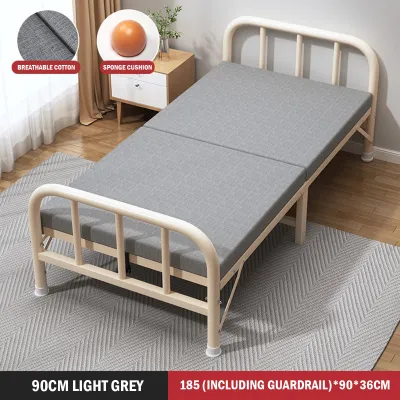
![[✅Sg Ready Stock] Japanese Portable Folding Single Bed 75cm Wide Surface Lightweight Foldable bed (FREE Blanket )](https://img.lazcdn.com/g/p/df572d14758a5950da863af08e9ab9ef.png_400x400q80.png_.webp)
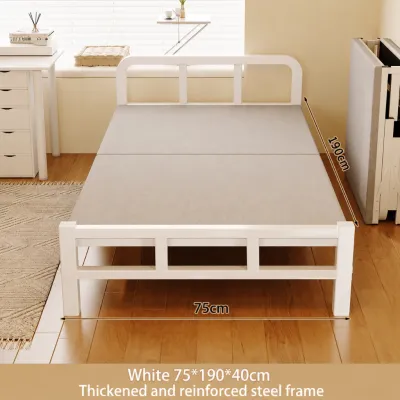
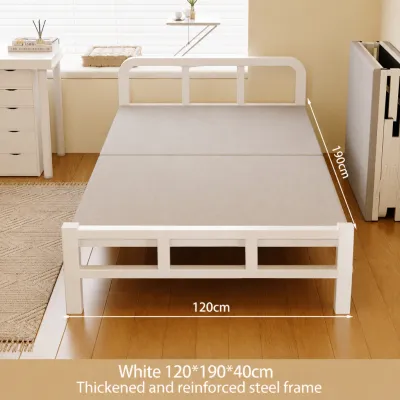
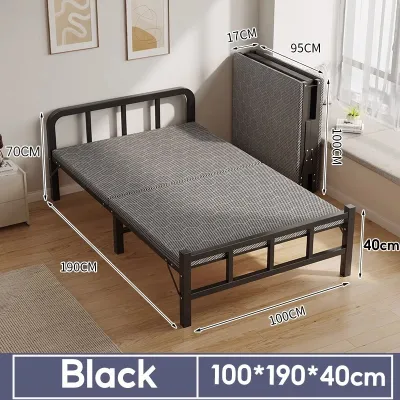
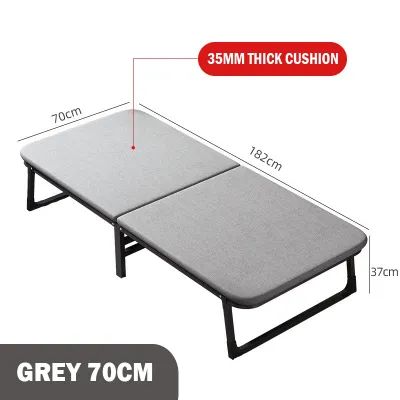
![[SG SELLER] PORTABLE LIGHTWEIGHT HEAVY DUTY 3D AND 4D FOLDING BED CAN PURCHASE WITH OR WITHOUT 4D MATTRESS PERFECT FOR OUTDOORS AND INDOORS](https://img.lazcdn.com/g/p/e7c2dfaaf06d0b68cf7cd8f28f6d88b0.png_400x400q80.png_.webp)
Prices are valid at publication and may change. Please refer to the product page for the latest price.
Furthermore, the interface between the mattress and the foldable frame requires close inspection. Some foldable frames feature gaps between the slats or around the perimeter where the folding mechanism operates. If the mattress is too thin, too soft, or not properly sized for the frame, a child’s limb could slip into these gaps, leading to entrapment or injury. When the bed is folded for storage, any unsecured mattress or frame components can fall forward if bumped, posing a heavy impact hazard in a child’s play area.
Key Safety Standards and Certifications to Look For
When shopping for a single bed frame foldable design, relying solely on product descriptions or aesthetic appeal is not enough. Because these products contain moving parts, you must look for verifiable safety standards and manufacturer certifications. Reputable manufacturers subject their furniture to rigorous third-party testing to ensure they can withstand daily use without collapsing or causing injury. When browsing options on an online marketplace or in a local showroom, look for explicit compliance with recognized international or regional safety standards for children’s furniture or domestic bedding.

In many markets, furniture safety is governed by specific standards that test structural strength, stability, and the safety of moving parts. For instance, standards such as those from the European Committee for Standardization (EN standards) or the American Society for Testing and Materials (ASTM) outline strict requirements for children’s beds and folding mechanisms. These tests evaluate whether a frame can support dynamic loads—simulating a child sitting down heavily or moving around—and check for “finger traps,” which are gaps between 5 mm and 12 mm that could pinch or trap a child’s fingers. Before purchasing, check the product manual, manufacturer website, or packaging for labels indicating compliance with these structural and safety standards.
Be cautious of unbranded, generic, or extremely cheap foldable frames sold on general online marketplaces. These products often bypass formal safety testing and may use inferior materials, thin metal tubing, or weak locking pins that can fail under pressure. A lack of clear manufacturer documentation, contact information, or safety labels is a major warning sign. If a seller cannot provide a certificate of compliance or detailed specifications regarding load capacity and safety testing, it is best to avoid the product entirely, especially for a child’s primary sleeping area.
Essential Physical Checks Before and After Assembly
Ensuring the safety of a foldable single bed frame does not end at the point of purchase. Once the bed is delivered to your home, a hands-on inspection during and after assembly is crucial to verify its structural integrity. Before allowing your child to use the bed, carefully examine the locking mechanisms. A safe foldable bed must feature a positive locking system—such as a spring-loaded pin, a locking latch, or a heavy-duty bolt—that physically prevents the frame from folding while in use. Test this mechanism repeatedly. Ensure it clicks firmly into place and cannot be accidentally disengaged by a child crawling underneath or kicking the frame.
Next, conduct a thorough tactile inspection of the entire frame. Run your hands along the metal tubes, wooden slats, and joints to check for sharp edges, rough welds, exposed screws, or wood splinters. Manufacturing defects like burrs on metal edges or poorly finished corners can easily scratch or cut a child. If you find any sharp components, contact the manufacturer for replacement parts or return the item. Additionally, check that all bolts, nuts, and washers are tightened securely according to the assembly instructions, but avoid overtightening, which can strip threads or crack wooden elements.
Finally, perform a stability test. Place the assembled frame in its designated spot, install the mattress, and apply firm downward pressure to the center, head, foot, and sides of the bed. Shake the frame gently from side to side and end to end. A safe bed frame should remain firmly planted on the floor without excessive swaying, creaking, or sliding. If the frame wobbles significantly or if the legs lift off the ground easily, the floor may be uneven, the assembly may be incorrect, or the frame’s design may lack the necessary stability for a child’s room.
Safe Usage Rules and When to Retire the Bed
Even the most robust foldable bed frame requires ongoing supervision and clear usage rules to remain safe over time. Children often treat beds as play areas, which can put immense stress on folding joints and locking pins. Establish a strict rule against jumping, bouncing, or roughhousing on a foldable bed. The sudden, high-impact forces generated by jumping can easily exceed the dynamic load capacity of the frame, leading to bent metal tubes, cracked slats, or sheared locking pins. Explain to your child that the bed is strictly for sleeping and quiet resting.
Always adhere to the manufacturer’s specified weight and age limits. Foldable single bed frames are often rated for a maximum weight that includes both the mattress and the sleeper. Keep in mind that as your child grows, their weight increases, and the margin of safety decreases. Regularly check the total weight on the bed, especially if your child likes to read with a parent or has friends over for playdates. Additionally, ensure that the area around the bed is kept clear of toys and clutter, preventing items from getting jammed in the folding joints when the bed is opened or closed.
Over time, daily wear and tear can compromise the safety of any folding furniture. Perform a monthly maintenance check on the bed frame. Look for signs of metal fatigue, such as hairline cracks near welds, bent support bars, or elongated bolt holes. Listen for unusual squeaks or grinding noises when your child gets on or off the bed, which can indicate loose joints or failing components. If you notice that the locking mechanism no longer engages smoothly, the frame sags in the middle, or the legs have become wobbly, it is time to retire the bed frame immediately. Continuing to use a compromised foldable frame poses a high risk of sudden collapse.
Frequently Asked Questions (FAQ)
Is a foldable bed frame suitable for a toddler?
A standard foldable single bed frame is generally not suitable for a toddler transitioning from a crib. Toddlers are highly active sleepers who frequently roll and move unpredictably throughout the night. Most foldable single bed frames lack built-in safety guardrails, presenting a significant fall risk for a young child. Furthermore, the presence of folding joints and gaps near the frame’s pivot points poses a higher risk of limb entrapment for smaller children. For toddlers, a low-to-the-ground toddler bed with fixed sides or a standard single bed with attachable safety rails is a much safer option.
Should a foldable bed be anchored to the wall?
Whether a foldable bed should be anchored to the wall depends entirely on its design. Freestanding foldable beds, which are designed to be folded and rolled into a closet or corner, cannot be permanently anchored to a wall while in use. However, if the bed is a wall-mounted folding design (often called a Murphy bed), secure wall anchoring into wall studs or masonry is absolutely mandatory to prevent the entire unit from pulling away from the wall and collapsing. For freestanding models, ensure the bed is placed against a flat wall to minimize movement, and always consult the manufacturer’s manual for specific stability guidelines and anchoring recommendations.

Community discussion
Share your experience or ask a question. Comments are reviewed before publication.