
Finding the right hardware to keep your furniture from sliding across the room involves balancing floor protection, stability, and ease of movement. There is no single universal solution for every household. The ideal choice depends on the weight of your furniture, the type of flooring you have—such as polished tile, vinyl, or parquet—and how often the item needs to move. For instance, a heavy sofa on a slick tile floor requires a different grip mechanism than a lightweight dining chair on delicate hardwood. By understanding how anti-slip pads, rubber feet, and grip tape interact with different surfaces, you can protect your home from scratches and keep your living space secure.
Choosing the wrong hardware can lead to permanent floor damage, sticky adhesive residue, or unstable furniture. To make an informed decision, you must evaluate the structural design, material composition, and intended application of each option. This guide breaks down the core differences, environmental compatibility, and installation steps for the three primary types of anti-slip furniture hardware.
Core Differences Between Pads, Feet, and Tape
Understanding the basic structure and primary function of each hardware type is the first step in selecting the right solution for your home. Each option is engineered for specific levels of friction, weight distribution, and surface contact.
Products mentioned in this guide
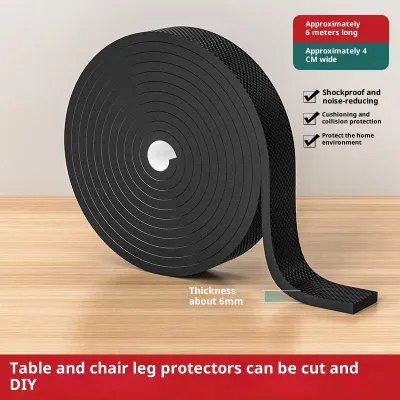
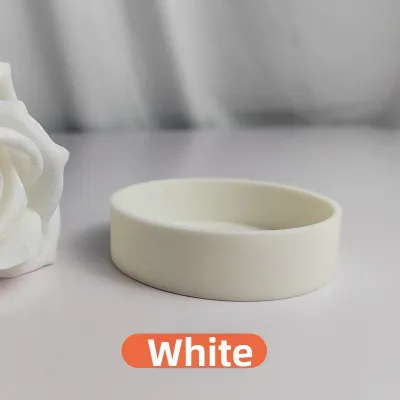
Prices are valid at publication and may change. Please refer to the product page for the latest price.
Anti-slip pads are typically thin, flat discs or squares made of felt, silicone, or dense foam. They usually feature an adhesive backing designed for quick, tool-free application to the bottom of furniture legs. These pads are primarily designed to provide a soft barrier that cushions the contact point between the furniture and the floor. While felt pads allow for controlled sliding to protect floors during movement, silicone and foam pads focus on providing basic friction to keep lightweight items from shifting out of place.
Rubber feet are robust, structural components designed for heavy-duty applications. They are commonly made of vulcanized rubber or synthetic elastomers and are attached using screws, nails, or high-strength industrial adhesives. Because of their solid construction, rubber feet offer excellent load-bearing capacity, vibration dampening, and slight structural elevation. They are designed to grip the floor firmly, preventing any lateral movement even under significant weight or force.
Grip tape is a thin, flexible adhesive strip with a highly textured surface. It comes in both abrasive varieties (similar to sandpaper) and non-abrasive varieties (textured vinyl or rubberized surfaces). Unlike pads or feet that attach to individual legs, grip tape is designed to cover larger, flat, or sloped contact areas. It maximizes surface friction across a wider plane, making it highly effective for flat-bottomed furniture, shelving units, or inclined surfaces where traditional feet cannot be easily installed.
Matching Hardware to Your Floor and Furniture
Before purchasing any anti-slip hardware, you must evaluate your specific home environment. Different flooring materials and furniture designs have unique requirements that dictate which hardware type will perform safely and effectively.

Floor Type Compatibility and Adhesive Risks
Delicate floors like hardwood, parquet, and laminate require careful hardware selection. Hardwood is highly susceptible to scratches from trapped grit and can react chemically with low-quality adhesives, leading to permanent discoloration. For these surfaces, high-quality felt pads or non-reactive silicone pads are generally the safest options.
Polished porcelain tiles, marble, and polished concrete are exceptionally slick, meaning lightweight furniture will slide easily on them. These hard, smooth surfaces benefit most from the high-friction grip of rubber feet or silicone pads. However, if you have luxury vinyl tile (LVT) or vinyl plank flooring, you must check the flooring manufacturer’s guidelines before using rubber feet. Some rubber compounds contain plasticizers that can chemically react with vinyl, causing permanent yellow stains.
Weight Distribution and Load-Bearing Limits
Furniture weight plays a critical role in how anti-slip hardware behaves over time. Heavy furniture, such as solid wood wardrobes, bed frames, and large sideboards, exerts immense downward pressure on very small contact points. If you apply soft foam or thin felt pads to these items, the material will compress completely within a few weeks, losing its cushioning and slip-resistant properties.
For heavy items, always verify the load-bearing limits on the product packaging. Solid rubber feet, especially those with mechanical screw-on attachments, are designed to withstand high pressure without collapsing. They distribute the weight evenly and maintain their grip and shape over years of use.
Movement Frequency
Consider how often the furniture needs to be moved. Dining chairs, bar stools, and study chairs are pulled out and pushed in multiple times a day. Using high-friction rubber feet on these items will make them difficult to move and can cause the chairs to tip over when pulled. For frequently moved seating, heavy-duty felt pads are the ideal choice because they allow smooth, quiet gliding while protecting the floor.
Stationary fixtures, such as television consoles, heavy sofas, and bedside tables, should remain firmly in place. These items are best suited for high-friction rubber feet or silicone anti-slip pads that resist lateral forces and prevent accidental shifting when bumped.
Aesthetic Constraints and Visibility
Consider how the hardware affects the appearance of your furniture. Screw-on rubber feet add noticeable height and are often visible from standard viewing angles, which might disrupt the clean lines of modern or minimalist furniture. If maintaining the original design aesthetic is important, thin, low-profile adhesive pads that sit flush beneath the legs are a more discreet choice.
Best Use Cases for Each Anti-Slip Solution
To help you visualize how these hardware types perform in real-world scenarios, let’s look at the ideal applications for each option.
Heavy Appliances and Stationary Furniture
Heavy household appliances like washing machines, dryers, and refrigerators generate significant vibration during operation. This vibration can cause the appliance to “walk” across the floor, damaging the surface and creating loud noise. Heavy-duty rubber feet are the standard solution here. The dense rubber compound absorbs and dampens the kinetic energy, keeping the appliance securely anchored to the utility floor.
Similarly, large sectional sofas and heavy bed frames benefit from rubber feet. These pieces of furniture experience sudden lateral forces when people sit down or lean against them. Rubber feet provide the necessary resistance to keep the frames stationary on polished tile or wood floors.
Lightweight and Frequently Moved Items
For dining room chairs, coffee tables, and small side tables, lightweight anti-slip pads are highly effective. Felt pads allow dining chairs to slide effortlessly across hardwood or laminate floors without leaving scratch marks. If you have a small side table on a tiled floor that you want to keep stationary, a thin silicone pad provides just enough grip to prevent sliding while remaining completely hidden from view.
Specialized Surfaces
Some household items do not have traditional legs, requiring a different approach to slip prevention. Area rugs on polished floors can slide dangerously when stepped on; using non-slip grip tape or specialized rug pads underneath the corners keeps them flat and secure. Shelving units, drawer organizers, and desktop organizers also benefit from small strips of non-abrasive grip tape applied to their flat bases, preventing them from shifting when items are retrieved.
Hardware Comparison Matrix
| Hardware Type | Primary Material | Ideal Floor Types | Weight Suitability | Movement Suitability | Attachment Method |
|---|---|---|---|---|---|
| Anti-Slip Pads | Felt, Silicone, Foam | Hardwood, Laminate, Tile | Light to Medium | High (Felt) / Low (Silicone) | Self-Adhesive |
| Rubber Feet | Vulcanized Rubber | Tile, Concrete, Stone | Heavy | Stationary Only | Screw-on, Nail-on, Adhesive |
| Grip Tape | Textured Vinyl, Rubber | Wood, Metal, Tile | Light to Medium | Stationary Only | Self-Adhesive |
Installation and Safe Removal Guidelines
Proper installation ensures that your anti-slip hardware stays in place and performs effectively, while correct removal techniques prevent damage to your furniture and floors.
Surface Preparation Steps
Before applying any adhesive-backed pad or grip tape, the contact surface must be thoroughly cleaned and dried. Dust, wood oils, manufacturing residues, and old adhesive will prevent the new adhesive from bonding securely, causing the pad to peel off quickly.
- Wipe the bottom of the furniture leg with a damp microfiber cloth and a mild detergent to remove surface dirt.
- For stubborn grime or oily finishes, use a small amount of rubbing alcohol on a cloth, ensuring first that it will not damage the furniture's finish.
- Allow the surface to dry completely before applying the adhesive hardware.
- Press the adhesive pad firmly onto the center of the leg and hold it in place for at least thirty seconds to activate the pressure-sensitive bond.
Installing Screw-On Rubber Feet
When installing screw-on rubber feet into wooden furniture legs, you must take precautions to avoid damaging the wood. Screwing directly into solid wood or medium-density fibreboard (MDF) without preparation can split the leg or strip the screw head.
Always check the manufacturer’s instructions for the recommended drill bit size. Pre-drill a pilot hole into the center of the furniture leg, making sure the depth of the hole matches the length of the screw. Insert the screw through the rubber foot and tighten it slowly with a hand screwdriver. Avoid using a high-speed power drill, which can easily over-tighten the screw, stripping the wood threads or tearing through the rubber material.
Safe Removal Techniques
Over time, adhesive pads and grip tape will wear down and accumulate dust, requiring replacement. Removing them carelessly can tear away wood finishes, paint, or leave a sticky residue that attracts dirt.
To remove adhesive hardware safely, use a hairdryer on a low-heat setting to gently warm the pad for one to two minutes. This softens the adhesive, allowing you to peel the pad away slowly. If any sticky residue remains on the furniture leg, apply a small amount of mild soap solution or a dedicated adhesive remover to a cloth and gently wipe it clean. Always test any chemical cleaner on an inconspicuous area of the furniture first to ensure it does not discolor the finish.
When to Consult a Professional
While most anti-slip hardware installations are straightforward DIY tasks, certain situations require professional assistance. If you are dealing with valuable antique furniture, delicate hand-painted finishes, or extremely heavy structural pieces—such as a grand piano or large built-in cabinetry—consult a professional furniture restorer or experienced installer. Attempting to drill into or apply strong adhesives to these items can permanently compromise their structural integrity and value.
Decision Framework: Which Option Should You Choose?
To finalize your purchase, use this simple decision framework to match your specific needs to the correct hardware type:
- Choose anti-slip pads if you are protecting delicate hardwood or laminate floors, need an easy-to-install solution for lightweight furniture, or require dining chairs to slide smoothly and quietly.
- Choose rubber feet if you need to secure heavy furniture or vibrating appliances, require long-term durability under heavy loads, and are installing hardware on hard, non-vinyl surfaces like tile or concrete.
- Choose grip tape if you need to maximize surface friction across a wide, flat, or sloped contact area, such as under shelving units, storage organizers, or the bases of flat-bottomed decorative items.
Before making your final selection, always verify if your flooring manufacturer has specific warranty conditions regarding contact with rubber or adhesives, and check your furniture’s user manual for any installation restrictions.
Frequently Asked Questions (FAQ)
Can I use adhesive anti-slip pads on newly finished hardwood floors?
No, you should avoid applying adhesive anti-slip pads to newly finished hardwood floors until the finish has fully cured. Even if a floor feels dry to the touch, polyurethane and oil-based finishes can take several weeks to cure completely. Applying adhesives during this curing period can trap solvents, chemically bond the adhesive to the fresh finish, or cause permanent cloudiness and peeling when the pad is eventually removed. Always consult your flooring installer or check the finish manufacturer’s specifications for the recommended curing time before applying any adhesive products.
How often should I replace worn-out rubber feet or grip tape?
Rather than following a strict calendar schedule, you should replace your anti-slip hardware based on observable visual and performance signals. Inspect the hardware every six months for signs of wear. For rubber feet, look for cracking, hardening of the rubber compound, or flattening that reduces its grip. For grip tape and adhesive pads, check if the edges are peeling, if the textured surface has worn smooth, or if the furniture has started to slide more easily. If you notice any of these signs, or if the hardware has accumulated a significant amount of dust and pet hair, it is time to replace it to ensure continued floor protection.
Community discussion
Share your experience or ask a question. Comments are reviewed before publication.