
Finding affordable kitchen cabinets in Singapore requires balancing material durability, layout efficiency, and sourcing strategies. In a high-humidity tropical climate where HDB flats and condominiums often feature compact kitchen footprints, custom carpentry can quickly consume a major portion of your renovation budget. By opting for modular cabinet systems, selecting cost-effective engineered wood cores with robust edge-banding, and planning a streamlined layout, you can achieve a highly functional, modern kitchen without overspending.
Defining Your Kitchen Cabinet Budget and Priorities
Establishing a realistic budget baseline requires distinguishing between your must-have functional needs and optional aesthetic upgrades. Core functional requirements include adequate storage capacity, structural durability to support heavy cookware, and moisture resistance in high-exposure areas. Aesthetic upgrades, such as soft-close drawer runners, custom glass-front doors, integrated LED strip lighting, and specialized pull-out pantry organizers, can be deferred or replaced with lower-cost alternatives to keep initial expenses down.
A practical framework for allocating your cabinet budget involves prioritizing the structural components that are difficult to replace later. Allocate the largest portion of your funds to high-quality cabinet boxes (carcasses) and heavy-use hardware like hinges and drawer glides, as these form the physical backbone of your kitchen. Doors and drawer fronts can be selected from more economical materials, while internal organization accessories can be added gradually using aftermarket modular inserts.
Products mentioned in this guide
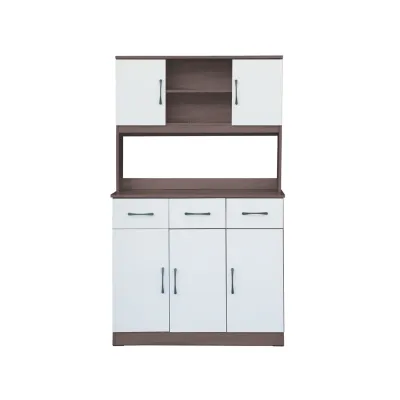
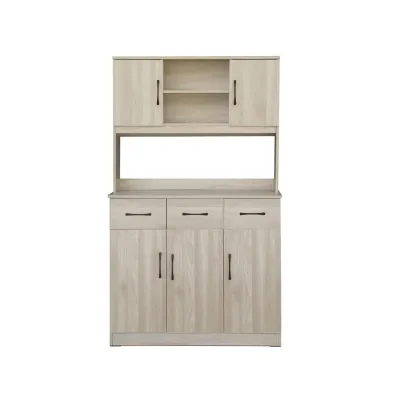
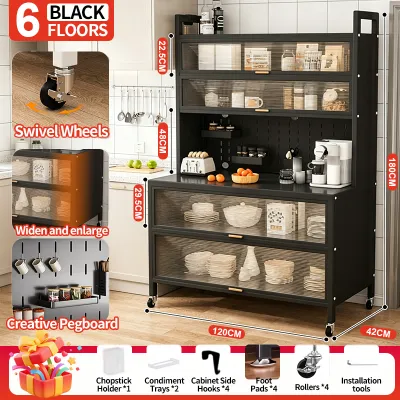
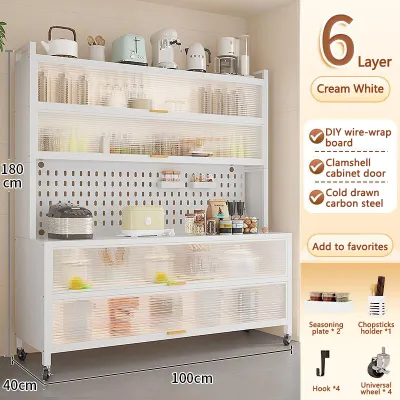
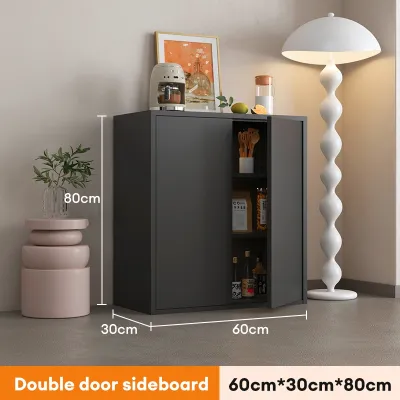
Prices are valid at publication and may change. Please refer to the product page for the latest price.
When planning your budget, watch out for common traps and hidden costs that frequently inflate final kitchen renovation expenses. These include charges for plumbing cutouts under the sink, gas pipe casings, electrical outlet relocations, and the hacking and disposal of existing cabinetry in resale flats. Additionally, Singapore HDB walls are rarely perfectly plumb; installing straight modular cabinets against uneven concrete walls often requires plastering or custom filler panels, which can add unexpected labor fees to your final S$ invoice.
Cost-Effective Materials and Finishes for Kitchen Cabinets
Selecting budget-friendly cabinet core materials requires understanding how they perform in a humid environment. Particleboard and Medium-Density Fibreboard (MDF) are the most economical options available, but standard grades are highly susceptible to swelling and warping when exposed to moisture. When reviewing manufacturer specification sheets, verify if the core material is rated as Moisture Resistant (MR) or High Moisture Resistant (HMR), which are designed to withstand elevated humidity levels. While plywood offers superior moisture resistance, it is more expensive; a cost-effective compromise is using plywood specifically for the sink carcass and HMR particleboard for the remaining dry cabinets.

Surface finishes play a critical role in both the appearance and the lifespan of your cabinets. Melamine and high-pressure laminate (HPL) are excellent, budget-friendly choices that offer high durability and easy maintenance. Melamine is pre-bonded to the board under low pressure, making it highly affordable and simple to wipe clean, though it offers fewer edge-profile options. High-pressure laminate is thicker, bonded under high pressure, and provides superior scratch, impact, and heat resistance, making it ideal for high-traffic prep zones.
To ensure your selected materials can withstand Singapore’s tropical climate, pay close attention to edge banding and environmental certifications. The longevity of budget cabinets depends heavily on the quality of the edge sealing; look for ABS (Acrylonitrile Butadiene Styrene) edge banding applied with polyurethane (PUR) adhesive, which creates a highly water-resistant barrier compared to standard hot-melt glues. Additionally, check for low-formaldehyde emission labels, such as the Singapore Green Label or an E1/E0 rating, to ensure the materials do not compromise your indoor air quality.
Space-Saving and Modular Cabinet Configurations
Opting for standard-sized modular cabinets instead of fully custom-built carpentry is one of the most effective ways to reduce your kitchen renovation costs. Custom carpentry is measured, fabricated, and assembled by hand, which demands high labor costs and extended lead times. In contrast, modular cabinet systems are mass-produced in standard widths (typically ranging from 40cm to 80cm), allowing you to mix and match units to fit your available wall space at a fraction of the price of bespoke woodwork.
Your kitchen layout strategy also directly influences the total cost of your cabinetry. A galley or straight-line configuration is generally the most economical layout because it eliminates complex corner cabinets. Corner units require specialized hardware, such as carousel shelves or pull-out baskets, and involve intricate carpentry joints that quickly drive up fabrication costs. If your kitchen footprint requires an L-shaped layout, keep the corner configuration simple by using standard shelving rather than expensive mechanical storage accessories.
You can further reduce costs by minimizing the total linear meters of upper wall cabinets. Replacing a portion of your upper cabinetry with open shelving, wall-mounted pegboards, or hanging rails reduces material expenses while creating a brighter, more open feel in compact HDB kitchens. Additionally, integrating standalone storage units, such as freestanding pantry cupboards, stainless steel prep tables, or mobile utility carts, provides flexible storage without the need for permanent wall anchoring or professional installation fees.
Navigating Sourcing and Installation Costs
Finding affordable cabinet options involves comparing different sourcing channels to find the best balance of price, quality, and service. Sourcing direct from manufacturer showrooms often cuts out interior design markups, while local carpentry workshops can provide competitive rates for straightforward, no-frills designs. Online marketplaces and flat-pack retailers offer the lowest upfront product costs, but you must carefully verify the warranty terms, return policies, and structural guarantees before making a purchase.
To avoid unexpected surcharges, always ask potential suppliers detailed questions regarding delivery and installation logistics. Confirm whether the quoted price includes delivery to your specific floor, especially if your building has lift access limitations or requires manual carrying up stairs. Ask about assembly fees, old cabinet disposal charges, and specific rates for cutting out openings for sinks, hobs, and electrical outlets, as these service fees can quickly accumulate.
When reviewing quotation breakdowns, ensure that all necessary hardware and accessories are explicitly included in the final S$ total. A common industry practice is to present a low base price for the cabinet carcasses while leaving out essential items like hinges, drawer runners, handles, and mounting brackets. Carefully check that soft-close mechanisms, adjustable legs, and edge-sealing services are detailed as line items to prevent costly disputes during the installation phase.
Quality Checks and Red Flags Before Finalizing Your Order
Before finalizing your cabinet purchase, conduct a thorough physical inspection of showroom samples to verify their structural integrity. Test the stability of the hinges by opening and closing doors repeatedly, and check that drawer glides operate smoothly without catching or wobbling. Closely examine the edges of the doors and carcasses; any visible glue lines, bubbling, or minor peeling indicates poor edge-banding quality, which will allow moisture to penetrate and cause the core material to swell over time.
Be cautious of supplier quotations that feature vague line items, missing hardware specifications, or unrealistic lead times. A professional quote should clearly state the exact dimensions, core materials, surface finishes, and hardware brands being supplied. Unusually low prices paired with extremely short delivery windows can indicate rushed manufacturing quality, while a lack of clear payment milestones is a major red flag; never pay the full amount upfront, and ensure a portion of the payment is withheld until installation is complete.
While budget-friendly modular cabinets are suitable for most standard kitchen setups, there are situations where you must pause and consult a qualified professional. If your kitchen layout requires structural modifications, heavy load-bearing wall installations, or the relocation of gas pipes and main plumbing lines, professional expertise is essential. Modifying structural walls in Singapore homes requires specific permits, and improper plumbing or electrical work can lead to severe water damage or safety hazards that far outweigh any initial savings.
Frequently Asked Questions (FAQ)
Can I install budget kitchen cabinets myself to save money?
DIY installation of modular cabinets is possible but requires a high level of precision, physical strength, and specialized tools. You will need a hammer drill suitable for concrete walls, a reliable spirit level, clamps, and heavy-duty wall anchors to ensure the cabinets are mounted safely and level. If you lack experience in leveling cabinetry or drilling into masonry, hiring a professional installer is highly recommended. Improper installation can void manufacturer warranties, lead to misaligned doors, and compromise the structural stability of the units, creating a safety hazard under heavy loads.
How do I maintain laminate cabinets in a humid climate?
Maintaining laminate cabinets in a humid environment requires keeping surfaces dry and avoiding abrasive cleaning methods. For daily care, wipe the cabinet doors and carcasses with a soft microfiber cloth slightly dampened with water and a mild, non-abrasive dish soap. Always dry the surfaces immediately with a clean towel, paying close attention to the seams and edge-banded joints where moisture can seep in. To prevent edge peeling and swelling, ensure your kitchen is well-ventilated by running an exhaust hood while cooking, and avoid hanging damp dishcloths over cabinet doors.
Community discussion
Share your experience or ask a question. Comments are reviewed before publication.