
Selecting the right adjustable stool requires balancing visual appeal with structural integrity. Because design aesthetics and build quality vary significantly across manufacturers, there is no single universal winner. Instead, the best approach is to compare stools based on their signature style profiles, material transparency, and the reliability of their adjustment mechanisms. This guide provides a practical framework to evaluate these dimensions side-by-side before making a purchase.
By focusing on verifiable physical characteristics—such as metal thickness, base weight, and cylinder certifications—you can avoid common pitfalls like unstable seating or premature mechanism failure. Whether you are furnishing a modern kitchen island or a compact home bar, understanding these construction details ensures your seating remains safe, comfortable, and stylish for years to come.
Identifying Design Aesthetics and Style Profiles
Adjustable stools generally fall into three primary design categories, each bringing a distinct visual weight and spatial footprint to your living area. Identifying these styles helps you choose a stool that complements your existing interior architecture without overwhelming the room.
Products mentioned in this guide
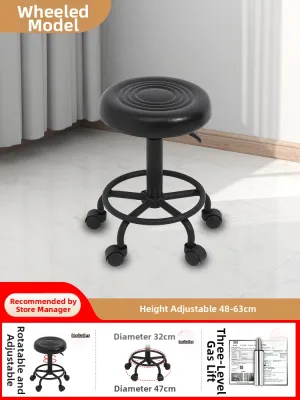
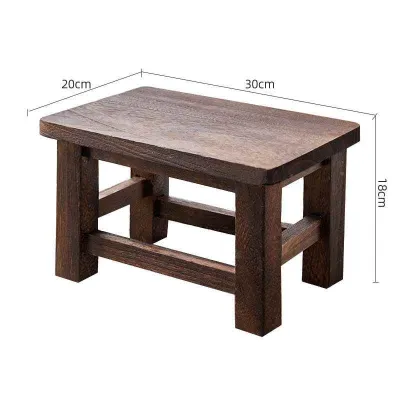
Prices are valid at publication and may change. Please refer to the product page for the latest price.
- Industrial Archetype: Characterised by raw metals, exposed rivets, and distressed solid wood. These stools often feature multi-legged flared bases and manual screw-thread adjusters. Their visual weight is relatively high due to dark, textured finishes, but their physical footprint can be surprisingly compact, making them excellent for rustic or loft-style spaces.
- Mid-Century Modern Archetype: Defined by organic curves, molded plywood, warm wood veneers (such as walnut or oak), and tapered profiles. These designs often balance wood and upholstered elements, creating a warm, inviting look. They carry moderate visual weight and work best in spaces that celebrate natural materials and retro-influenced clean lines.
- Contemporary Minimalist Archetype: Focused on sleek, monochromatic lines, low-profile backrests, and single-pedestal bases. Often finished in matte black powder coating or polished chrome, these stools minimise visual clutter. They are ideal for open-plan apartments where preserving the illusion of spaciousness around a kitchen island is a priority.
The finish of the stool also plays a major role in how heavy it looks. Matte finishes absorb light and make a stool feel grounded and solid, whereas polished chrome or brushed steel reflects light, which can make a wide, heavy base appear smaller and less intrusive.
When planning your layout, always check the base footprint against the clearance under your counter. A wide, flared four-legged base provides excellent physical stability but occupies more floor space, which can restrict movement in narrow walkways. Conversely, a circular pedestal base keeps the floor area clear but requires a heavier bottom plate to maintain balance.
Assessing Build Quality and Material Durability
Evaluating build quality requires looking past surface aesthetics to inspect the raw materials and joinery techniques. Because material names alone do not guarantee durability, you must verify specific construction details to ensure the stool can withstand daily use.

First, examine the frame construction. For metal stools, check the steel gauge or aluminum thickness; high-quality frames use thicker, heavy-gauge metal that resists bending under load. Inspect the joints carefully. Seamless, continuous welds around the entire circumference of a joint are far stronger than small spot welds, which can crack over time. If the stool incorporates wood, look for solid timber or high-grade molded plywood. Molded plywood should display tight, uniform layers with no visible gaps, splitting, or peeling at the edges.
Next, evaluate the seat construction and upholstery. Press down firmly on the seat cushion to test the foam resilience. If you can easily feel the hard wooden or plastic platform underneath, the foam density is low and will likely flatten permanently within a few months of use. High-density resilient foam should offer firm resistance and spring back to its original shape immediately. For upholstered models, inspect the stitching. Double-stitched seams and neat piping indicate a higher standard of manufacturing that resists fraying and splitting under tension.
Finally, verify the physical stability and weight capacity. Always check the manufacturer’s official product label or specification sheet for a certified weight limit. A stable adjustable stool must have a heavy, well-balanced base. If you are evaluating a pedestal-style stool, lift it slightly to check the weight distribution; the bottom plate should feel significantly heavier than the seat to keep the center of gravity low and prevent tipping when the stool is fully extended.
Evaluating Adjustment Mechanisms and Ergonomics
The functionality of an adjustable stool relies heavily on its moving parts. Comparing the mechanics of different height-adjustment systems and swivel bases will help you choose a model that operates smoothly and safely.
Height-Adjustment Mechanisms
Most modern adjustable stools use either a pneumatic gas lift cylinder or a manual screw-thread spindle. Each system has distinct operational characteristics and maintenance needs:
- Gas Lift Cylinders: These pneumatic systems offer effortless, step-free height adjustments at the pull of a lever. For safety and longevity, look for stools that specify Class 3 or Class 4 gas cylinders, which feature thicker steel walls and better pressure seals. While highly convenient, gas lifts rely on internal rubber seals that can degrade over time, especially if exposed to excessive dust or heavy daily impacts.
- Manual Screw Threads: Common in industrial designs, these mechanisms adjust height by spinning the seat along a heavy threaded metal spindle. They are mechanically simple, exceptionally durable, and virtually immune to the sealing failures that affect gas lifts. However, they require more physical effort to adjust and can develop a slight wobble at their maximum height extension if the threads are not precision-machined.
Swivel and Ergonomic Checks
A high-quality swivel mechanism should rotate 360 degrees smoothly and quietly. When testing a stool, rotate the seat and listen for grinding, squeaking, or clicking noises, which indicate poor-quality ball bearings or dry, unlubricated tracks. Gently push the seat from side to side while it is extended; there should be minimal lateral play or wobble at the pivot point.
Ergonomics are equally vital for long-term comfort. Ensure the footrest is positioned at a comfortable distance from the seat. On pedestal stools, the footrest is typically welded to the central column, meaning it moves up and down with the seat to maintain a consistent ergonomic relationship. On four-legged adjustable stools, the footrest may remain fixed to the outer frame, which can feel less comfortable for shorter users when the seat is raised to its highest setting. Additionally, check that the seat depth supports your thighs without pressing against the back of your knees, and ensure the backrest provides adequate lumbar support.
Side-by-Side Comparison Matrix for Brand Evaluation
To help you systematically evaluate different adjustable stools on the market, use the comparison framework below. This matrix categorises stools by their structural archetype, allowing you to compare their typical material standards, adjustment types, and maintenance needs.
| Stool Archetype | Primary Materials | Adjustment Type | Base Stability Indicators | Care & Maintenance |
|---|---|---|---|---|
| Industrial Spindle | Cast iron, heavy-gauge steel, solid timber | Manual screw-thread spindle | Wide, flared multi-leg base; high physical weight | Lubricate threads annually; wipe wood with dry cloth |
| Mid-Century Pedestal | Molded plywood, walnut veneer, chrome steel | Gas lift cylinder (Class 3 or 4) | Heavy dome base with rubber floor-protector ring | Wipe veneer with wood cleaner; dust cylinder shaft |
| Minimalist Monolith | Powder-coated steel, low-profile upholstery | Gas lift cylinder (Class 3 or 4) | Weighted flat disc base; compact footprint | Wipe metal with damp microfiber cloth; vacuum fabric |
When shopping, do not rely on vague marketing terms. Instead, extract concrete data from product labels, user manuals, and technical specification sheets.
Be on the lookout for red flags that indicate substandard manufacturing. Avoid stools that do not specify a maximum weight limit, use vague material descriptions (such as “metal-like finish” instead of “powder-coated steel”), or fail to provide warranty details for the gas lift cylinder. A reputable manufacturer will openly share these specifications to prove the safety and durability of their product.
Decision Framework: Choosing the Right Adjustable Stool
To make your final decision, match your household’s specific environment and daily routines to the strengths of each stool design.
First, consider your household’s traffic and usage patterns. If you have a busy kitchen with young children or frequent guests, prioritise heavy-duty metal frames with certified gas lifts and easy-to-clean surfaces, such as polyurethane (PU) leather or molded plastic. These materials can be wiped down quickly and withstand constant height adjustments.
Second, evaluate your comfort requirements. If your bar stools will be used for extended periods—such as working from home or lingering over long dinners—prioritise upholstered seats with high-density foam and supportive backrests. While these designs require more careful cleaning, the added comfort and visual warmth they bring to a space often outweigh the extra maintenance.
Third, verify your physical space constraints. Before purchasing, measure your counter height and compare it to the stool’s full adjustment range. Ensure the stool can lower sufficiently to accommodate comfortable seating clearance and rise high enough for shorter family members to reach the counter comfortably.
Finally, know when to walk away from a purchase. If a stool’s base feels light and unstable when extended, if the adjustment mechanism lacks a clear manufacturer warranty, or if the care instructions conflict with your household’s lifestyle, it is best to continue your search. Investing in a structurally sound, well-warranted stool ensures safety and long-term satisfaction.
Frequently Asked Questions (FAQ)
How do I measure my counter to ensure the adjustable stool fits?
To ensure a comfortable fit, you must measure the distance from the floor to the underside of your countertop. Standard kitchen counters are typically around 90 cm high, while dedicated bar counters usually measure around 105 cm high.
Once you have this measurement, apply the standard clearance rule: leave 25 to 30 cm of space between the top of the stool’s seat cushion and the underside of the counter. For a 90 cm counter, your stool’s seat height should adjust to around 60 to 65 cm.
When calculating this clearance, remember to account for thick seat cushions that compress when sat on, as well as any low-hanging counter aprons or drawers. If the stool features armrests, measure their height at the stool’s highest setting to ensure they can slide completely under the counter when not in use.
What maintenance is required for gas lift mechanisms?
Gas lift cylinders require minimal but regular maintenance to ensure smooth operation and prevent premature seal failure. Keep the exposed metal shaft of the cylinder clean by wiping it periodically with a dry, lint-free microfiber cloth to remove dust, pet hair, and grit that can tear the rubber seals.
Monitor your stool for early signs of cylinder failure. These signs include a gradual sinking sensation when you sit down, an oily residue coating the metal shaft, or a stiff, jerky movement when you try to adjust the height.
If you notice any of these warning signs, or if the stool fails to hold its height, stop using the adjustment feature immediately. Because gas cylinders contain highly pressurized gas, never attempt to open, lubricate with harsh penetrating oils, or repair the cylinder yourself. Instead, consult the manufacturer or a qualified furniture repair professional to source a compatible replacement cylinder.
Community discussion
Share your experience or ask a question. Comments are reviewed before publication.