
Quick Answer: Which Remote Holder Mount is Best for HDB Furniture?
Selecting the ideal remote holder mounting style for your Singapore HDB flat is not a one-size-fits-all decision; the best choice depends entirely on your furniture’s surface material, edge profiles, and whether you are renting or own the property. Each mounting system serves a distinct structural purpose and carries different risks for your interior finishes.
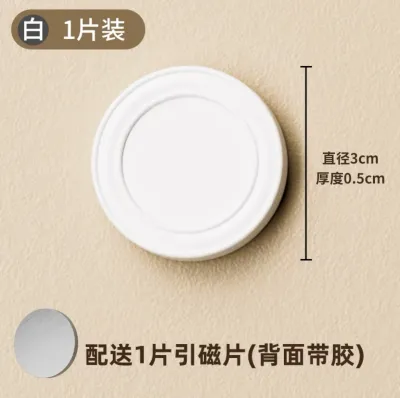
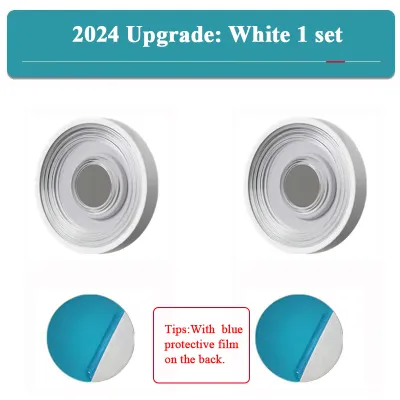
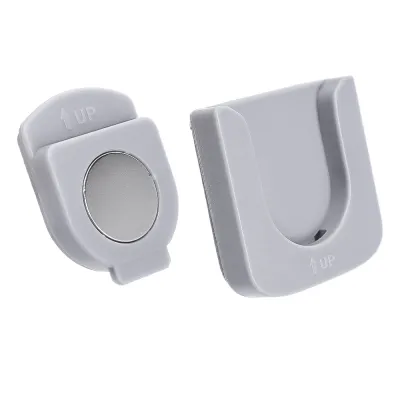
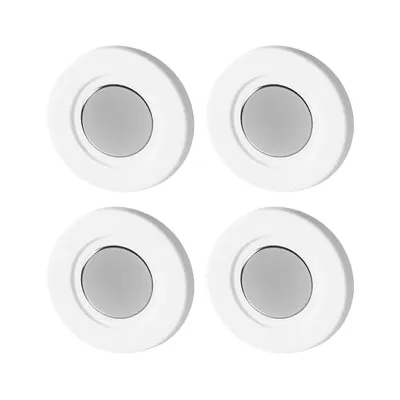
Adhesive mounts are best suited for smooth, non-porous surfaces like glass coffee tables or high-gloss laminate cabinets where a permanent, low-profile storage solution is required. Clip-on holders excel on thick, defined edges such as fabric sofa armrests, open wooden shelves, or space-saving folding tables, offering a completely damage-free and mobile option. Magnetic holders provide a sleek, floating aesthetic that is highly effective on metal bed frames or appliances, though they often require an adhesive base plate when applied to standard wooden carpentry.
For typical HDB built-in carpentry, which commonly features delicate wood veneers or high-pressure laminates, clip-on mounts or carefully managed adhesive holders are the safest options to prevent permanent surface damage and preserve your home’s aesthetic value.
Products mentioned in this guide
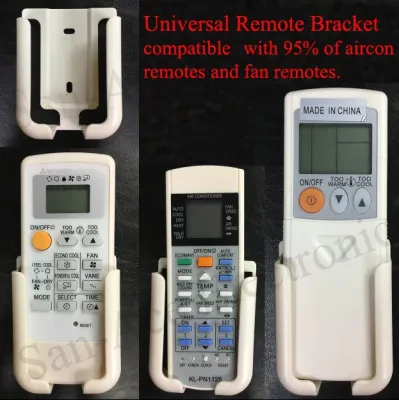
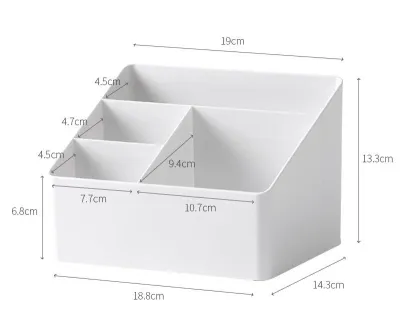
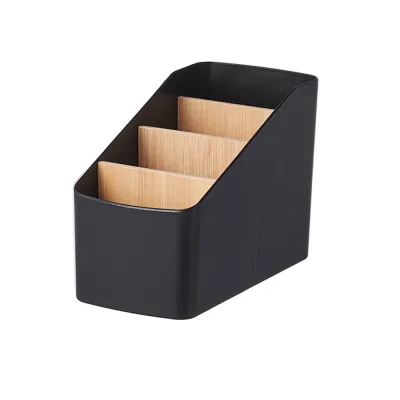
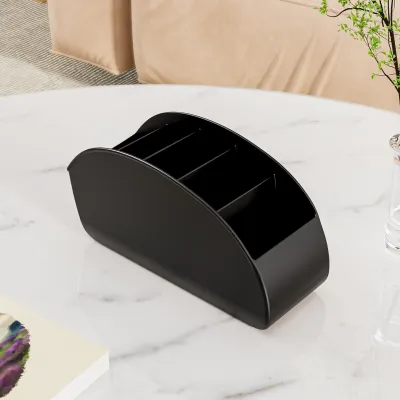
Prices are valid at publication and may change. Please refer to the product page for the latest price.
Assessing HDB Furniture Surfaces and Edge Profiles
Modern HDB flats, including newly completed BTO units, frequently rely on custom built-in carpentry and multi-functional folding furniture to maximize limited square footage. These furniture pieces incorporate a wide array of materials, each reacting differently to mechanical pressure and chemical adhesives. Common surfaces include high-pressure laminates (HPL) bonded to plywood, natural wood veneers, melamine-faced chipboard (MFC), powder-coated steel frames, tempered glass, and various upholstery materials such as woven fabric, genuine leather, or polyurethane (PU) faux leather. Understanding the physical properties of these materials is the first step in choosing a compatible mounting style.

Surface texture and porosity dictate how well an adhesive can bond to a piece of furniture. High-gloss laminates, acrylic panels, and tempered glass possess high surface energy, allowing liquid-like chemical adhesives to spread evenly and form a powerful molecular bond. Conversely, textured wood veneers, matte-finished laminates, and porous engineered woods restrict the contact area of the adhesive, which significantly reduces holding power while simultaneously increasing the risk of peeling the delicate top layer of the furniture upon removal.
Mechanical clip-on holders require specific geometric profiles to function securely. A clip-on mount relies on a protruding edge, ledge, or lip with sufficient depth—typically between 1.5 and 5 centimeters—and a flat underside to allow the clamp jaws to exert even gripping force. Minimalist modern TV consoles, flush-mounted cabinets, and handleless touch-to-open drawer fronts often lack these protruding edges, making it physically impossible to secure a clip-on holder without obstructing the furniture’s functional movement.
Applying high-strength adhesives to delicate wood veneers, matte painted surfaces, or wallpapered feature walls carries a high risk of surface failure. When an adhesive is pulled away, the tensile force can easily exceed the internal cohesive strength of the wood fibers or paint layers, resulting in unsightly splintering or tearing. Homeowners and tenants must carefully inspect their furniture’s finish and consult the manufacturer’s care instructions before introducing any semi-permanent mounting hardware.
Adhesive Remote Holders: Strong Grip but Surface Risks
Adhesive remote holders are highly popular due to their simplicity, low profile, and ability to be mounted on almost any flat vertical surface. However, their long-term performance and safety depend heavily on the chemical interaction between the adhesive backing and your furniture’s finish.
Where Adhesive Mounts Excel
Adhesive mounts perform exceptionally well on smooth, non-porous, and high-energy surfaces. They are ideal for glass-topped coffee tables, glossy acrylic media units, ceramic tiled feature walls, and high-gloss kitchen laminates. Because they do not require any protruding edges or structural support frames, they can be placed in tight, vertical recesses—such as the side of a wall-mounted TV console or the inside panel of a cabinet door. This makes them highly effective space-saving tools for compact HDB living rooms, keeping tabletops completely clear of clutter.
The Risks to HDB Carpentry and Finishes
Singapore’s tropical climate, characterized by high relative humidity levels often exceeding 80%, presents a unique challenge for chemical adhesives. Over time, moisture and warmth can cause low-quality rubber-based adhesives to degrade, slip, and leave behind a sticky, difficult-to-clean residue. On the other hand, industrial-grade acrylic foam tapes (such as those used in heavy-duty mounting strips) can cure so deeply over time that they form a bond stronger than the furniture’s surface material. Attempting to pull a cured adhesive holder off a delicate wood veneer, matte laminate, or painted MDF surface can easily delaminate the finish, pulling up wood fibers or tearing the decorative paper layer away from the substrate.
Safe Installation and Removal Practices
To ensure a secure bond without causing permanent damage, proper surface preparation is essential. Begin by cleaning the target area with isopropyl alcohol (rubbing alcohol) to remove dust, skin oils, and polish residues, allowing the surface to dry completely before application; avoid household glass cleaners, as they often leave behind a thin silicone film that prevents proper bonding. When installing, press the holder firmly against the surface for at least 30 seconds, and allow the adhesive to cure for a full 24 hours before placing any remotes inside. To safely remove the holder later, never pry it off directly with force. Instead, use a handheld hairdryer on a low-to-medium heat setting to gently warm and soften the adhesive polymer, then use a piece of dental floss or a thin plastic card to slowly slice through the softened foam backing. Always perform a quick test in an inconspicuous area of your furniture first to ensure the finish can tolerate the cleaning agent and mild heat.
Clip-On Remote Holders: Damage-Free but Edge-Dependent
Clip-on remote holders offer a purely mechanical attachment method, using spring tension or adjustable screw clamps to grip onto existing furniture structures without the use of chemical adhesives.
Where Clip-On Mounts Excel
The primary advantage of clip-on holders is their completely non-destructive, highly reusable nature. Because they do not leave sticky residues or risk tearing delicate finishes, they are the perfect solution for rental HDB flats where preserving the landlord’s property is paramount. They can be mounted, removed, and repositioned instantly as your spatial needs change. Ideal mounting locations include the armrests of fabric sofas, the edges of thick solid wood dining tables, bedside headboards, open study shelving, and the metal frames of multi-functional folding desks.
Physical Limitations and Fit Issues
Despite their convenience, clip-on holders are strictly limited by the physical dimensions of your furniture. Every clip-on model has a maximum and minimum jaw capacity; if your sofa armrest is heavily padded and plush, or if your dining table edge is exceptionally thick, the clamp may not open wide enough to fit. Conversely, if you attempt to attach a clip-on holder to an ultra-thin 5mm tempered glass shelf, the clamp may not be able to compress tightly enough to remain stable, causing the holder to wobble or slide. Rounded “waterfall” edges and highly chamfered or angled profiles also present a challenge, as they reduce the flat contact area required for the clamp jaws to bite securely, leading to eventual slippage under the weight of multiple remotes.
Stability and Material Wear
While clip-on holders protect your furniture from chemical damage, they can still cause mechanical wear if used improperly. Constant, localized spring tension on soft upholstery fabrics can compress the underlying foam padding permanently, leaving a visible depression long after the holder is removed. On genuine leather or synthetic faux leather, the friction and pressure of the clamp jaws can stretch the material, crease it, or cause the protective top coating to crack. On polished wood or high-gloss laminates, hard plastic clamp jaws can easily scratch or dull the finish. To mitigate these risks, always select clip-on holders that feature soft silicone, rubber, or felt padding on all contact surfaces, and make it a habit to slightly reposition the clamp every few weeks to allow the underlying material to recover.
Magnetic Remote Holders: Clean Look but Base-Dependent
Magnetic remote holders offer a highly modern, minimalist aesthetic, using magnetic attraction to hold your devices securely against a vertical plane.
Where Magnetic Mounts Excel
Magnetic holders provide an incredibly clean, clutter-free look, often giving the illusion that your remotes are floating against the side of your furniture. They are exceptionally convenient because they allow for blind, one-handed storage—you can simply bring the remote close to the mounting point and let the magnetic force pull it into place. They are highly effective when integrated with furniture that already features metal components, such as industrial-style steel shelving units, metal bed frames, magnetic whiteboard panels in home offices, or the sides of household appliances like refrigerators and metal-sided console tables.
The "Missing Metal" Problem in HDBs
Because the vast majority of HDB built-in carpentry, TV consoles, and coffee tables are constructed from non-magnetic materials like plywood, MDF, and glass, you cannot use a magnetic holder directly on these surfaces. To make a magnetic holder work on wooden furniture, you must first install a ferromagnetic metal base plate. These base plates are almost always secured to the furniture using double-sided adhesive tape. This requirement reintroduces the exact same surface damage risks, residue concerns, and removal challenges associated with standard adhesive mounts, effectively neutralizing the “damage-free” appeal of the magnetic system on wooden carpentry.
Weight Capacity and Sliding Risks
magnetic holding power is highly dependent on the grade of the magnet used (such as high-strength neodymium magnets versus weaker ferrite magnets) and the thickness of the receiving metal surface. Thin sheet metal or heavily powder-coated steel can reduce the effective magnetic flux, leading to a weaker grip. If you place a heavy smart home controller or multiple remotes into a single magnetically mounted pocket, gravity can overcome the magnetic shear strength. This causes the entire holder to slide slowly down the vertical surface or detach entirely when bumped. It is crucial to verify that the rated magnetic capacity of the holder matches the combined weight of your specific remotes, especially if your devices use heavy AA batteries.
Direct Comparison of Remote Holder Mounting Styles
To help you quickly evaluate these three mounting options, the table below summarizes their performance across key practical dimensions, focusing on compatibility with typical HDB furniture setups.
| Mounting Style | Best Furniture Surfaces | Damage Risk Level | Edge/Surface Requirements | Ideal HDB Location |
|---|---|---|---|---|
| Adhesive | Glass, high-gloss laminate, acrylic, sealed ceramic tiles | High (for wood veneer, matte paint, and wallpaper) | Flat, smooth, clean, non-porous surface | Side of TV console, inside cabinet doors, glass coffee tables |
| Clip-On | Fabric upholstery, thick solid wood, open shelving, sturdy desks | Low (mechanical indentation risk on soft leather) | Protruding edge or lip with flat underside (1.5–5cm thickness) | Sofa armrests, open bookshelves, study desks, folding tables |
| Magnetic | Steel frames, metal appliances, or surfaces with attached metal plates | Low (unless using adhesive backing for the metal base plate) | Ferromagnetic metal surface or flat area for adhesive plate | Metal bed frames, refrigerator sides, industrial shelving units |
This comparison highlights a fundamental trade-off in remote organization: convenience and placement flexibility versus surface protection. Adhesive mounts offer the greatest freedom of placement and a highly streamlined look, but they carry a permanent risk of surface damage upon removal. Clip-on mounts provide absolute safety for your furniture’s finish and can be moved at will, but they are physically constrained by the structural dimensions and edge profiles of your furniture. Magnetic mounts offer the most modern user experience but require careful planning to ensure you have a compatible metal base available.
How to Choose the Right Remote Holder for Your Space
To finalize your decision, assess your specific living room layout, furniture materials, and housing status using the following practical decision framework.
Choose Adhesive if:
- Your furniture features highly durable, non-porous surfaces such as tempered glass, high-gloss laminates, or ceramic tile feature walls.
- You prioritize a completely flush, low-profile appearance that hides the remote holder out of direct sight, such as on the inner side of a media cabinet.
- You own your home and are willing to use patient, heat-assisted removal techniques in the future to minimize the risk of leaving adhesive residue.
Choose Clip-On if:
- You are currently renting your HDB flat and must ensure that all furniture and built-in carpentry remain completely unaltered to secure your security deposit.
- Your living room layout centers around a sofa with thick, defined fabric armrests, or you utilize open-sided shelving units and space-saving folding tables with clear, accessible edges.
- You want a highly mobile organizer that can be moved from the living room to the bedroom or study instantly without any tools.
- Your furniture is finished in delicate wood veneers, matte paints, or soft papers that cannot tolerate chemical adhesives.
- You select a model equipped with soft silicone or felt padding to protect the underlying wood, laminate, or upholstery from mechanical scratches and pressure marks.
Choose Magnetic if:
- Your home decor incorporates industrial-style furniture with exposed powder-coated steel frames, metal desk legs, or metal bedside tables.
- You want the ultimate convenience of a "floating" remote that can be grabbed and returned with a simple, blind motion.
- You are comfortable applying a small, semi-permanent adhesive metal plate to a durable, non-porous section of your wooden furniture to act as a magnetic docking station.
Verify First if:
- You are dealing with high-value custom carpentry, delicate antique furniture, or specialized matte finishes. Always check the furniture manufacturer's care guidelines or consult your interior designer before applying any adhesive backing or high-tension mechanical clamps.
- You are unsure of your furniture's load-bearing edge strength, particularly on slim glass shelves or lightweight folding panels, to prevent cracking or structural tipping.
Frequently Asked Questions (FAQ)
How do I safely remove adhesive remote holder residue from a laminate TV console?
To remove stubborn adhesive residue from a laminate TV console without damaging the finish, start by applying gentle heat with a handheld hairdryer on a low setting for 30 to 60 seconds to soften the adhesive polymers. Once warmed, use your fingertip to gently roll the adhesive residue off the surface, working from the outer edges inward. For any remaining sticky film, dampen a soft microfiber cloth with a small amount of mild cooking oil, eucalyptus oil, or isopropyl alcohol, and rub the spot gently in a circular motion. Never use abrasive scrubbing pads, metal scrapers, or harsh chemical solvents like acetone or paint thinner, as these will permanently strip, melt, or dull the protective melamine wear layer of the laminate.
Can I use a clip-on remote holder on a leather or faux-leather sofa armrest?
Yes, you can use a clip-on remote holder on a leather or faux-leather armrest, but you must take specific precautions to prevent material damage. Prolonged, high-pressure clamping can compress the internal foam padding permanently and cause softer faux-leather polyurethane (PU) coatings to stretch, crease, or crack over time under Singapore’s humid conditions. To prevent this, select a clip-on holder that features wide, flat clamp jaws heavily padded with soft silicone or felt to distribute the gripping force evenly. Additionally, make it a habit to remove or slightly shift the position of the clip-on holder every two to three weeks, allowing the leather and underlying foam to breathe and naturally recover its original shape.
Community discussion
Share your experience or ask a question. Comments are reviewed before publication.