
Furnishing a compact living room—such as a modern apartment or a high-rise flat where floor space is at a premium—often presents a difficult design dilemma: you need a functional surface in front of your sofa, but a bulky wooden or metal coffee table can make the seating area feel cramped and dark. An acrylic coffee table offers an excellent solution by providing a completely transparent, visually lightweight surface that keeps sightlines open, though its suitability depends heavily on your willingness to manage daily smudges and follow specific, non-abrasive cleaning routines to prevent scratches. Choosing this material requires looking past its sleek aesthetic to understand how its chemical makeup, physical limits, and maintenance needs align with your household’s daily habits.
What exactly is acrylic and how is it used in furniture?
Acrylic is a synthetic polymer known scientifically as polymethyl methacrylate (PMMA), which serves as a lightweight, transparent thermoplastic alternative to traditional glass. In furniture manufacturing, it is commonly referred to by trade names like Plexiglas or Lucite and is valued for its ability to be molded, bent, or bonded into seamless structures. Unlike glass, which is mineral-based, acrylic is a petroleum-derived plastic that softens when heated, allowing manufacturers to shape it into organic curves or rigid geometric forms.
When shopping for furniture, you will generally encounter two primary types of acrylic: cast and extruded. Cast acrylic is manufactured by pouring liquid monomer between two sheets of glass to cure, resulting in a highly stable material with excellent optical clarity, uniform thickness, and high resistance to cracking. Extruded acrylic, on the other hand, is produced by continuously pushing the plastic through a die, which is more cost-effective but results in a slightly softer material that is more prone to surface scratches and stress cracking during fabrication. High-quality furniture manufacturers typically specify the use of cast acrylic sheets to ensure long-term structural integrity and clarity.
Products mentioned in this guide
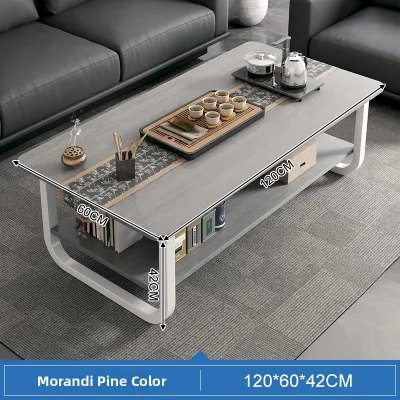
5 Lazada user ratings
item is okay for the price installation guide provided with tools took around 30mins to fix overall all ok shopping was quite lonh
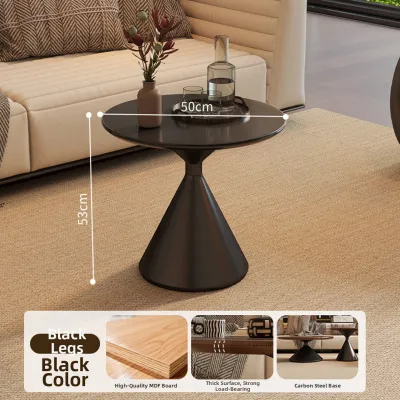
14 Lazada user ratings
My absolute favorite piece of furniture in the house! This natural wood nesting coffee table with a conical base fits my wooden booth seatin…Read full reviewShow less
My absolute favorite piece of furniture in the house! This natural wood nesting coffee table with a conical base fits my wooden booth seating perfectly. The funnel-shaped base has soft, airy lines, and the dual round tables create a staggered look that adds a great sense of space. The wood grain looks so clear and gentle in natural light—it has earned me so many likes and saves on social media!
If you are looking for a high-end, minimalist look, you must get this! The sculpted conical base and round tabletop feature clean lines that…Read full reviewShow less
If you are looking for a high-end, minimalist look, you must get this! The sculpted conical base and round tabletop feature clean lines that eliminate any bulkiness. The matte black finish adds a calm, understated touch, while the rounded edges prevent sharp bumps. Whether you have a large open space or a cozy layout, it creates a sophisticated and serene living room atmosphere.
This nesting coffee table set is perfect for relaxing on the sofa and watching shows. The double-tier design works great: the larger table h…Read full reviewShow less
This nesting coffee table set is perfect for relaxing on the sofa and watching shows. The double-tier design works great: the larger table holds my tablet and snacks, while the smaller one is perfect for candles and flowers. The wide conical base is very stable, so even heavy teapots or glass vases don't wobble. Plus, the low profile doesn't block the projector view at all!
I was inspired by a home decor blogger to get this tapered coffee table, and the quality is even better than expected! The walnut-finish top…Read full reviewShow less
I was inspired by a home decor blogger to get this tapered coffee table, and the quality is even better than expected! The walnut-finish top is smooth and warm, while the matte black base looks sophisticated. The nesting design is so flexible, and it looks incredibly stylish on my wavy rug. My living room feels so cozy and elevated now!
I absolutely love this vintage-style coffee table! Since it doesn't need a fixed spot, I can move it around whenever I want. The rounded edg…Read full reviewShow less
I absolutely love this vintage-style coffee table! Since it doesn't need a fixed spot, I can move it around whenever I want. The rounded edges are a great safety feature, so I don't have to worry about my kids. It’s also very easy to clean with just a damp cloth—truly a perfect blend of style and practicality!
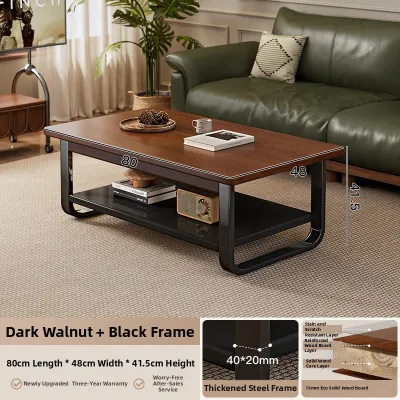
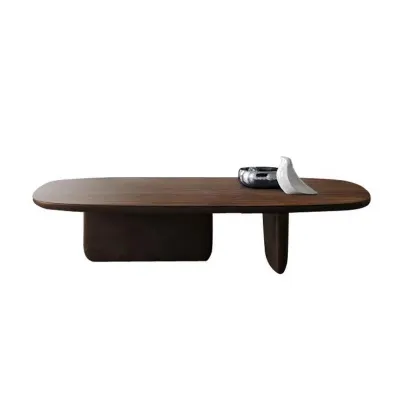
4 Lazada user ratings
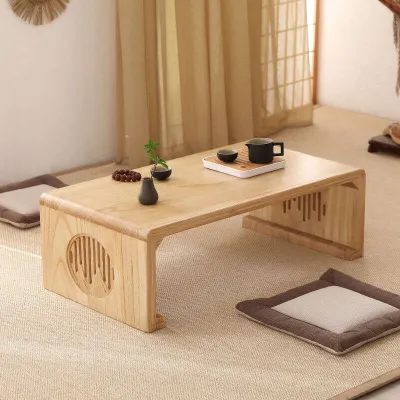
Perfect addition to my meditation space! The minimalist zen design helps me relax instantly. I placed it by the window with some plants and …Read full reviewShow less
Perfect addition to my meditation space! The minimalist zen design helps me relax instantly. I placed it by the window with some plants and a small vase—absolutely Instagram-worthy. The wood feels solid and durable, and the low profile makes the room feel more spacious. It's surprisingly versatile too; great for tea, reading, or displaying decorative items. Best purchase I've made this year!
This low tea table is absolutely stunning! I placed it on my balcony with a city view and it creates the most serene zen atmosphere for my m…Read full reviewShow less
This low tea table is absolutely stunning! I placed it on my balcony with a city view and it creates the most serene zen atmosphere for my morning tea ritual. The solid wood top is smooth and beautifully finished, and the compact size is perfect for small spaces. I love how it pairs with floor cushions. Highly recommend for anyone seeking a peaceful corner in their home!
Prices are valid at publication and may change. Please refer to the product page for the latest price.
To transform these raw sheets into a finished coffee table, manufacturers employ several specialized techniques. The sheets are cut using high-precision lasers or CNC routers to ensure clean, straight edges, and then heated in specialized ovens until they become pliable. Once soft, the material can be draped over molds to create iconic “waterfall” designs characterized by smooth, continuous curves. For multi-piece designs, panels are joined using solvent welding—a process where a chemical solvent temporarily dissolves the contact surfaces, fusing them into a single, seamless bond as the solvent evaporates.
How do the physical properties of acrylic affect daily coffee table use?
The physical properties of acrylic—specifically its high optical clarity, light weight, and moderate surface hardness—directly dictate how it behaves under the demands of daily living room activities. Understanding these traits helps you anticipate how the table will interact with your existing decor, lighting, and household items.

One of the most notable properties of acrylic is its exceptional optical clarity. Acrylic transmits up to 92% of visible light, which is actually higher than standard window glass, which often carries a slight green tint due to iron content. In a living room, this high transparency means light passes right through the table, reducing visual clutter and making small spaces feel larger. However, this also means that any items stored underneath the table, or even the pattern of the rug below, will be fully visible, requiring a mindful approach to styling and organization.
In terms of weight, acrylic is roughly half the weight of glass and significantly lighter than solid wood or stone. While this makes the table easy to reposition when cleaning or hosting guests, it also means a lightweight table can slide easily on hard floors or thick rugs. To prevent the table from shifting when bumped, homeowners should inspect the base design and look for integrated anti-slip silicone feet or pads. If the manufacturer does not include these, adding aftermarket clear rubber bumpers to the contact points is a simple and effective way to secure the table.
Surface hardness is another critical factor for daily use. Unlike tempered glass, acrylic is a relatively soft material that is susceptible to scratching from everyday objects like ceramic mugs, keys, or decorative trays. To mitigate this, some manufacturers apply specialized scratch-resistant coatings; buyers should check product specifications for these treatments rather than assuming the raw material can withstand abrasive contact. Without a protective coating, even sliding a rough-bottomed ceramic cup across the surface can leave permanent hairline scratches.
What are the practical pros and cons of choosing an acrylic coffee table?
Choosing an acrylic coffee table involves balancing its striking minimalist aesthetic and high impact resistance against its tendency to show surface imperfections and require frequent dusting. Evaluating these trade-offs against your household’s daily habits is essential before making an investment.
The primary aesthetic benefit of an acrylic table is its “floating” or invisible look, which keeps sightlines open in smaller or heavily furnished spaces. This transparency allows you to showcase a beautiful area rug or maintain an uninterrupted view of a statement sofa. Additionally, because acrylic is highly impact-resistant compared to standard glass, it represents a safer alternative in active households. While it is not entirely indestructible, it does not shatter into sharp, hazardous shards if struck, making it a safer alternative in active households.
However, the high visibility of fingerprints, dust, and smudges is a daily maintenance trade-off. Clear surfaces act like a magnifying glass for pet hair, skin oils, and airborne dust particles, especially when direct sunlight streams through the window. If you prefer a low-maintenance home where furniture only needs occasional dusting, the constant upkeep required to keep an acrylic table looking pristine may prove frustrating.
Furthermore, thermoplastics have clear thermal limits. Placing a boiling hot kettle, a freshly brewed mug of tea, or a hot serving dish directly on the surface without a coaster can cause localized heat damage, warping, or permanent clouding. Unlike wood or metal, which can tolerate moderate heat, acrylic requires the consistent use of coasters and trivets to protect the surface from thermal shock.
How should you clean and maintain an acrylic table to prevent surface damage?
To keep an acrylic coffee table looking pristine, you must use clean, ultra-soft microfiber cloths and mild, non-abrasive soap solutions while strictly avoiding standard household glass cleaners. Because acrylic is highly sensitive to chemical solvents and rough fibers, improper cleaning is the most common cause of premature clouding and micro-scratches.
For routine dusting and wiping, always use a clean, damp microfiber cloth. Microfiber is designed to lift dust particles away from the surface rather than dragging them across it. A few drops of mild dishwashing liquid mixed with warm water is the safest cleaning solution. Wipe the table gently using straight, overlapping strokes rather than circular motions, which can grind dust particles into the surface and create swirl marks.
You must warn against using ammonia-based cleaners, standard glass cleaners, and rough paper towels. Common household glass sprays contain ammonia or alcohol, which break down the polymer chains in acrylic. This chemical reaction leads to “crazing”—a network of fine, microscopic cracks that make the material look permanently cloudy or fractured. Additionally, avoid paper towels, tissues, or old rags, as their coarse fibers can leave fine hairline scratches.
Always check the manufacturer’s specific care label for any applied protective coatings or specialized cleaning recommendations. Some high-end tables may have proprietary coatings that require specific cleaning agents or permit the use of specialized acrylic polishes designed to buff out minor surface scratches. If the table becomes heavily scratched, specialized plastic polishing compounds can sometimes restore the clarity, but these should only be used according to the manufacturer’s instructions.
How can you verify the quality and construction of an acrylic table before buying?
Verifying the quality of an acrylic coffee table requires inspecting the material thickness, checking the execution of the joints, and confirming the manufacturer’s rated load capacity. Since you cannot always judge structural integrity by sight alone, reviewing these technical specifications ensures the table can safely support your living room items.
First, check the stated thickness of the acrylic panels. For a stable, durable coffee table, look for panels that are at least 10mm to 15mm thick. Thinner sheets, such as 5mm or 8mm, are prone to bowing or flexing under the weight of books, laptops, or decorative items over time. A thicker panel not only provides better structural stability but also gives the table a more substantial, premium feel.
Next, inspect the joints and bonding method used in the design. High-quality acrylic furniture uses solvent welding, which chemically fuses the panels together. The joints should be completely clear, smooth, and free of visible air bubbles, gaps, or excess adhesive residue. If the table features bent edges (waterfall style), check that the curves are uniform and free of distortion or stretch marks.
You should also verify the stated weight capacity from the manufacturer and ensure it matches your intended use. A quality table should specify its maximum load (for example, up to 20kg or 30kg). Ensure this capacity aligns with your intended use, especially if you plan to place heavy art books, stone vases, or multiple drinks on the surface.
Finally, recommend inspecting edge finishing. The edges should be flame-polished or machine-polished to a smooth, rounded finish. Sharp, routed, or unpolished edges can be a safety hazard, particularly in homes with young children or pets who might bump into the corners. A well-finished table will have soft, touch-safe edges that catch the light beautifully without presenting any sharp points.
Community discussion
Share your experience or ask a question. Comments are reviewed before publication.