
The ideal thick plastic sheet for furniture surface replacement depends entirely on the functional demands of the specific piece. Polycarbonate excels in high-impact zones, acrylic offers excellent optical clarity and high scratch resistance for display surfaces, and PVC provides a cost-effective, moisture-resistant option for cabinets. To make the right choice, you must match the material’s manufacturer specifications to your exact furniture application, environmental exposure, and fabrication capabilities.
Replacing a damaged tabletop, desk surface, or cabinet panel with a thick plastic sheet is an excellent way to extend the lifespan of your furniture. In Singapore’s humid climate, traditional wood veneers can warp, peel, or grow mold, while glass surfaces carry the risk of shattering. High-quality plastic sheets offer a durable, modern, and highly customizable alternative. However, selecting the wrong polymer can lead to premature scratching, bowing under weight, or discoloration from sunlight. By understanding the unique properties of acrylic, polycarbonate, and PVC, you can select a material that looks professional and stands up to daily household activities.
Assessing Your Furniture Replacement Needs
Before purchasing any replacement material, you must thoroughly evaluate the physical and environmental demands of the furniture piece. Start by measuring the exact dimensions of the existing surface, including the length, width, and thickness. For horizontal surfaces like dining tables or study desks, a thickness of at least 6mm to 10mm is generally recommended to prevent sagging under load. If the sheet will rest on a fully supportive solid wood or metal frame, a thinner sheet may suffice, but unsupported spans require greater thickness and rigidity.
Products mentioned in this guide
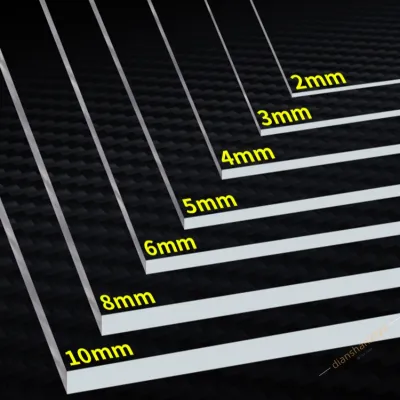
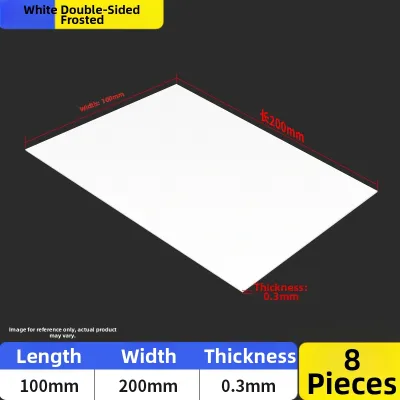
Prices are valid at publication and may change. Please refer to the product page for the latest price.
Consider the specific room environment where the furniture will reside. In Singapore, homes often experience high ambient humidity and intense sunlight streaming through windows. If your furniture is placed near a balcony or window, UV exposure will be a major factor in material degradation. Similarly, kitchen and bathroom surfaces must withstand frequent moisture exposure and contact with household cleaning agents. You must also identify potential heat sources, such as hot coffee mugs, laptops, or cooking appliances, which can cause certain plastics to soften or warp if they are not properly insulated.
Finally, evaluate the structural load and daily impact risks. A desk used for heavy computer equipment or a dining table subjected to dropped utensils requires a material with high impact resistance. Conversely, a decorative console table or a display cabinet door might prioritize optical clarity and scratch resistance over sheer strength. If you live in a high-rise apartment, also consider the logistics of transporting large, heavy sheets. Ensure the dimensions you order can easily fit through your doorway and into the residential lift to avoid delivery complications.
Comparing Acrylic, Polycarbonate, and PVC Sheets
When looking for a thick plastic sheet for furniture restoration, three primary materials dominate the market: acrylic, polycarbonate, and polyvinyl chloride (PVC). Each of these polymers possesses distinct physical characteristics, manufacturing tolerances, and aesthetic qualities. There is no single universal winner; instead, the best choice depends on aligning the material’s inherent strengths with your furniture’s primary function.

It is crucial to verify the specific manufacturer specifications and product grades before buying. Raw polymers are often modified with additives during production to improve UV stability, impact strength, flame retardancy, or scratch resistance. For instance, standard acrylic is highly transparent but brittle, whereas impact-modified acrylic offers greater durability. Always consult the product data sheets provided by local suppliers to ensure the specific grade matches your project requirements.
Acrylic (PMMA) Sheets
Acrylic, often known by the chemical name polymethyl methacrylate (PMMA), is the premier choice when you want to replicate the premium look of glass without the associated weight and fragility. It boasts exceptional optical clarity, allowing more light to pass through than standard glass, which makes it highly suitable for display cabinets, shelving, and decorative table overlays. Acrylic also possesses a harder surface than polycarbonate, making it inherently more resistant to fine hairline scratches from everyday items like keys, cups, and books.
Despite its aesthetic appeal, acrylic is a relatively brittle material. It is susceptible to cracking or shattering under sudden, high-impact forces or heavy point loads. If you plan to drill holes for mounting hardware or cable management, you must proceed with extreme caution; standard drill bits can easily catch and crack the material. Acrylic also has a moderate heat tolerance, meaning you should never place hot pots or pans directly on its surface without a heat-resistant trivet.
When maintaining an acrylic surface, you must check the manufacturer’s guidelines regarding chemical compatibility. Acrylic is highly sensitive to solvents, alcohol-based cleaners, and ammonia. Using standard glass cleaners can cause a phenomenon known as crazing, where thousands of microscopic cracks form on the surface, permanently clouding the material. Instead, stick to mild soapy water or specialized plastic cleaners applied with a soft microfiber cloth.
Polycarbonate Sheets
Polycarbonate is the robust heavy-duty option for high-traffic, high-impact furniture surfaces. It is highly shatter-resistant, boasting an impact resistance many times greater than acrylic and glass. This makes it the ideal replacement material for children’s play tables, active family dining tables, workshop benches, or protective desk covers. If safety and durability are your primary concerns, polycarbonate provides peace of mind that the surface will not shatter, even under severe accidental impacts.
The primary trade-off with polycarbonate is its susceptibility to scratching. It is a softer polymer than acrylic, meaning it can scuff and scratch relatively easily from sliding ceramic mugs, laptops, or abrasive cleaning pads. To mitigate this, look for specialized scratch-resistant or hard-coated polycarbonate sheets. These variants feature a thin, protective outer layer applied during manufacturing that significantly improves surface durability, though they may come at a higher price point.
Another critical factor to consider in Singapore’s sunny climate is UV degradation. Standard polycarbonate will yellow and become brittle over time when exposed to direct sunlight. If your furniture is positioned near a window or on a semi-outdoor patio, you must select a UV-stabilized or UV-coated polycarbonate grade. This protective barrier filters out harmful ultraviolet rays, preserving the sheet’s clarity and structural integrity for years to come.
PVC Sheets
Polyvinyl chloride (PVC) sheets, particularly rigid PVC or expanded PVC foam boards, offer a highly practical and budget-friendly solution for non-transparent furniture components. Unlike acrylic and polycarbonate, which are prized for their transparency, PVC sheets are typically opaque and come in various solid colors, matte finishes, or textured surfaces. This makes them excellent for replacing cabinet doors, drawer fronts, backing panels, and utility shelving where transparency is not required.
One of PVC’s greatest strengths is its outstanding moisture resistance. It does not absorb water, swell, rot, or support mold growth, making it incredibly well-suited for high-humidity zones like under-sink cabinets, bathroom vanities, and kitchen storage units. Additionally, PVC is exceptionally easy to work with using standard woodworking tools. You can cut, drill, router, and sand PVC sheets with minimal risk of cracking or chipping, making it a favorite for DIY projects.
However, PVC has distinct structural and thermal limitations. It has a lower heat deflection temperature compared to acrylic and polycarbonate, meaning it can deform or sag if exposed to moderate heat sources or hot appliances. Furthermore, thick PVC sheets can bow under heavy, unsupported loads over long spans. If you are using PVC for shelving or wide tabletops, ensure it is fully supported by a rigid sub-frame or reinforced with metal brackets to prevent sagging over time.
Key Decision Factors for Furniture Surfaces
Choosing between these three materials requires balancing several competing factors to ensure long-term satisfaction. The first major decision point is the balance between impact resistance and scratch resistance. If your furniture will experience rough daily use, such as a workbench or a kids’ play table, the shatterproof nature of polycarbonate is invaluable. If the surface is primarily for writing, dining, or displaying items, the superior scratch resistance and high gloss of acrylic will keep the piece looking pristine for much longer.
Fabrication and edge finishing are also critical considerations, especially if you plan to complete the replacement project yourself. Acrylic can be polished to a beautiful, crystal-clear edge using fine-grit sandpaper and a buffing compound, or even a flame-polishing torch. Polycarbonate edges are much more difficult to polish to a high gloss and typically remain matte or translucent after cutting. PVC edges cannot be polished to a clear finish but can be sanded smooth or covered with matching edge-banding tape to create a clean, professional look.
Finally, you must evaluate adhesive and hardware compatibility. Installing a plastic sheet often requires securing it to an existing wooden or metal furniture frame. Standard wood glues will not bond to these plastics. You must select adhesives specifically formulated for the polymer type, such as solvent cements for acrylic, polyurethane-based adhesives, or high-strength double-sided mounting tapes. When using mechanical fasteners, always drill oversized pilot holes to accommodate the thermal expansion and contraction of the plastic sheet, preventing stress cracks around the screws.
Installation and Maintenance Guidelines
Proper installation is key to ensuring your new plastic furniture surface remains flat, secure, and beautiful. When your sheet arrives, leave the protective masking film on both sides during the entire cutting, drilling, and fitting process to prevent accidental scratches. When mounting the sheet, always allow a small expansion gap (typically 1mm to 2mm per meter) around the perimeter if the sheet is enclosed in a frame. Plastics expand and contract with temperature fluctuations far more than wood or metal, and a tight fit can cause the sheet to buckle or warp.
For ongoing maintenance, establish a gentle cleaning routine. Dust the surface regularly with a clean, dry, high-quality microfiber cloth to remove loose particles that could cause micro-scratches during wet cleaning. For deeper cleaning, use a mixture of lukewarm water and a few drops of mild dishwashing liquid. Avoid using paper towels, which can be surprisingly abrasive, and never use household glass cleaners, ammonia, acetone, or abrasive scrubbing sponges.
Periodically inspect the mounting hardware, adhesive bonds, and edge seals of your furniture. In humid environments, ensure that any silicone seals or edge bands remain intact to prevent moisture from seeping underneath the plastic sheet, which could damage the supporting wooden frame. If you notice any loose screws, tighten them gently, ensuring you do not over-tighten and crack the plastic around the mounting holes.
Frequently Asked Questions (FAQ)
Can I cut thick plastic sheets at home for custom table tops?
Yes, you can cut thick plastic sheets at home, but the ease of cutting depends heavily on the material and thickness. For sheets thicker than 4mm, simple scoring and snapping methods are ineffective and carry a high risk of ruining the material. Instead, use a circular saw, jigsaw, or table saw equipped with a fine-toothed blade designed specifically for plastics (typically 60 to 80 teeth for a standard circular blade).
To prevent chipping, melting, or binding, clamp the sheet securely to a stable work surface to minimize vibrations. Run the saw at a moderate, consistent speed; moving too slowly can cause the friction to melt the plastic, while moving too quickly can chip the edges. Always wear appropriate safety gear, including safety goggles and a dust mask, to protect yourself from flying plastic chips and fine dust.
How do I prevent yellowing on clear plastic furniture surfaces?
Preventing yellowing starts with selecting the right material grade during the purchasing phase. Acrylic is inherently highly resistant to UV light and will generally remain clear for many years without yellowing, even when exposed to sunlight. Polycarbonate, however, is highly sensitive to UV rays and will yellow and degrade rapidly unless you specifically purchase a UV-stabilized or UV-coated grade.
To further protect your clear plastic surfaces, position the furniture away from windows that receive direct, intense afternoon sunlight. If moving the furniture is not an option, consider installing UV-blocking window films or using sheer curtains to filter out the damaging rays. Additionally, avoid using harsh chemical cleaners that can strip away any protective UV coatings applied to the surface of the plastic sheet.
Community discussion
Share your experience or ask a question. Comments are reviewed before publication.