
Quick Answer: Matching Acrylic Styles to Your Space
Selecting the right acrylic coffee table style depends on your living room’s layout, size, and existing furniture. For compact or highly flexible spaces, nested and modular acrylic tables offer adaptable surface areas without permanently occupying valuable floor space. In larger, open-plan modern living rooms, solid block and geometric forms serve as striking, sculptural centerpieces that anchor the seating area. If your minimalist aesthetic feels slightly cold, mixed-material designs—combining clear acrylic with warm wood or sleek metal—bridge the gap between transparency and texture. The primary visual benefit of an acrylic table is its ability to maintain clear sightlines, allowing light to pass through and reducing visual clutter in uncluttered spaces. Before browsing options, the immediate next step is to measure your available floor space and sofa height to ensure a seamless fit.
Core Acrylic Coffee Table Styles for Minimalist Homes
Modern and minimalist interior design relies heavily on the balance of light, space, and form. Acrylic coffee tables have become a staple in these environments because they offer functional surface area without the visual weight of traditional wooden or stone furniture. When selecting a style, it is helpful to understand how different design approaches interact with your room’s existing elements. Rather than acting as a dominant focal point that blocks the flow of the room, a well-chosen acrylic table allows your flooring, rugs, and surrounding seating to remain visible, creating an illusion of openness. This interaction with natural light is particularly beneficial in urban apartments, such as high-rise condominiums or flats, where maximizing the perception of space is a priority. By understanding the distinct style categories available, you can select a piece that complements your layout and enhances the room’s natural illumination.

Solid Block and Geometric Forms
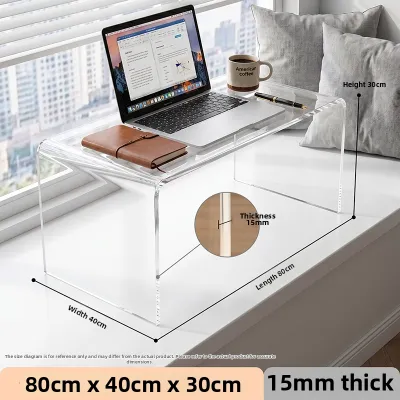
Solid block and geometric acrylic tables are characterized by their thick, substantial slabs and clean, sharp lines. These designs present an interesting design paradox: they possess a significant physical footprint and substantial weight, yet their complete transparency keeps them visually lightweight. A solid rectangular or square block acts as a sculptural anchor in a living room, providing a clean surface that seems to float in mid-air. This style works exceptionally well in spacious, open-concept layouts where you want to define the seating zone without creating a visual barrier. When evaluating solid geometric designs, it is crucial to verify the manufacturer’s specifications for material thickness. High-quality block tables typically utilize acrylic sheets ranging from 15mm to 20mm or thicker to ensure structural integrity and prevent bowing over time. Additionally, check product labels to confirm whether the edges are flame-polished for a seamless, glass-like clarity or hand-buffed for a softer, slightly rounded finish.
Products mentioned in this guide

Prices are valid at publication and may change. Please refer to the product page for the latest price.
Nested and Modular Acrylic Tables
For homeowners seeking versatility, nested and modular acrylic tables offer an exceptionally functional solution. These sets typically consist of two or three tables of graduating sizes that slide completely underneath one another when not in use. This space-saving configuration is ideal for compact living rooms where floor space must be preserved for daily movement but extra surface area is required when entertaining guests. Visually, the overlapping layers of clear acrylic create a beautiful sense of depth, catching and refracting light at different angles without adding any perceived clutter to the room. When shopping for nested sets, it is important to perform stability checks. Because these tables often feature open, three-sided U-shapes to allow for nesting, you must verify that the material is thick enough to resist wobbling when separated. Check the manufacturer’s specifications for base stability and ensure the feet are equipped with subtle, non-slip protective pads to keep the individual pieces secure on polished concrete, hardwood, or tiled flooring.
Mixed-Material Designs (Acrylic with Wood or Metal)
While fully transparent tables are highly prized for their invisibility, mixed-material designs introduce a sophisticated contrast by pairing acrylic with wood, metal, or stone. These combinations are particularly effective in minimalist spaces that risk feeling too sterile or cold. By framing a clear acrylic top with a warm oak or walnut base, or supporting a thick acrylic slab with matte black steel or brushed brass legs, you introduce texture and warmth while retaining a sense of openness. The key to choosing a high-quality mixed-material table lies in inspecting the joint quality and structural integrity at the material connection points. Because acrylic expands and contracts slightly with temperature changes, the hardware or adhesives used to join it to other materials must be engineered to accommodate this movement without cracking. Ensure that the secondary material matches or complements the existing finishes in your living room, such as your sofa legs, light fixtures, or shelving units, to maintain a cohesive design language.
Sizing and Proportion Guidelines for Your Living Room
Achieving a balanced look in a modern living room requires careful attention to scale and proportion. An improperly sized coffee table can disrupt the flow of the room, making it difficult to move around or reach for items comfortably. To avoid these issues, start by measuring the distance between your sofa and other major furniture pieces. The standard clearance rule dictates that you should leave between 30 and 45 centimeters of space between the edge of the sofa seat cushions and the edge of the coffee table. This distance provides ample legroom for sitting comfortably while keeping the table within easy arm’s reach for drinks, books, or remote controls.
Height alignment is equally critical for both ergonomics and visual harmony. Ideally, the top surface of your acrylic coffee table should sit level with, or up to 5 centimeters lower than, the top of your sofa’s seat cushions. A table that is too high can feel imposing and disrupt the low-profile lines characteristic of minimalist sofas, while a table that is too low can be awkward to use.
To calculate the ideal footprint of your table, you can use a simple spatial formula. The total length of the coffee table should be approximately one-half to two-thirds the total length of your sofa. For example, if your sofa is 210 centimeters long, your coffee table should ideally measure between 105 and 140 centimeters in length. Additionally, ensure there is a clear walking pathway of at least 60 centimeters around the remaining sides of the table to allow for unobstructed traffic flow through the living room. In compact urban apartments, where space is at a premium, these precise measurements prevent the room from feeling cramped. If you are arranging a sectional sofa with an L-shaped chaise, a square or round acrylic table often fits better within the natural nook of the seating than a long rectangular one.
Quality and Safety Checks Before Purchasing
Because acrylic is a synthetic polymer, its quality, durability, and safety can vary significantly depending on how it was manufactured. Before making a purchase, it is essential to review the manufacturer’s technical specifications rather than relying solely on product photos. First, evaluate the acrylic thickness and the explicitly stated weight capacity limits. High-quality coffee tables are typically constructed from cast acrylic rather than extruded acrylic, as cast acrylic offers superior clarity, greater structural strength, and better resistance to bending under load. Check that the manufacturer specifies a maximum weight capacity that comfortably accommodates your intended use, especially if you plan to display heavy art books or decorative trays.
Next, inspect the edge finishing options detailed in the product description. Flame-polished edges provide a highly reflective, crystal-clear border that mimics the look of high-end glass, which is highly desirable for a sleek, modern aesthetic. However, for households where safety is a priority, look for hand-buffed, beveled, or rounded edges, which eliminate sharp corners and reduce the risk of accidental scrapes.
It is also wise to check product descriptions for specific material treatments, such as UV-resistance claims or anti-scratch coatings. While acrylic is naturally more impact-resistant than glass, it is inherently susceptible to fine surface scratches. Some premium manufacturers apply a specialized hard coat to mitigate this vulnerability, which is a valuable feature to look for. Finally, verify the overall stability of the base and the construction of the joints. If the table requires assembly, review the instructions to ensure the hardware is robust and includes protective washers. Always check that the product includes high-quality, anti-slip silicone or rubber foot pads. These pads not only prevent the lightweight table from sliding when bumped but also protect your flooring from potential scuffs.
Styling and Everyday Care for Acrylic Surfaces
Styling an acrylic coffee table requires a curated approach to preserve the clean, minimalist aesthetic of your living room. Because the table is transparent, any objects placed on top will be highly visible from all angles, and the floor beneath will remain part of the visual composition. To maintain a sense of openness, apply styling principles that emphasize negative space. Instead of crowding the surface, limit your decorative items to a few carefully selected pieces. A single ceramic vase with a minimal floral arrangement, a small sculptural object, or a couple of neatly stacked design books will suffice. Grouping items on a low-profile tray can also help organize the surface while keeping the overall look tidy and intentional.
Maintaining the pristine clarity of acrylic requires specific cleaning routines, as standard household glass cleaners can cause permanent damage. Never use cleaners containing ammonia, alcohol, or solvents, as these chemicals can cause a reaction known as “crazing”—the development of thousands of microscopic cracks that permanently cloud the material. Instead, use a clean, ultra-soft microfiber cloth dampened with water and a mild, non-abrasive dish soap, or a specialized cleaner formulated specifically for acrylic surfaces.
To prevent scratches and preserve the smooth surface, avoid using abrasive sponges, paper towels, or rough cloths, which can leave fine swirl marks. Everyday hazards can also be managed with simple preventative habits. Never place hot items, such as freshly brewed tea mugs or hot plates, directly onto the acrylic surface, as the heat can warp or mark the polymer; always use coasters or heat-resistant trivets. Additionally, place felt pads on the undersides of any decorative objects, vases, or trays to prevent them from scratching the table when moved.
Frequently Asked Questions (FAQ)
Does acrylic furniture turn yellow over time?
Standard, low-grade acrylic can yellow when exposed to ultraviolet (UV) light over extended periods. To prevent this discoloration, look for tables specified as being made from UV-stabilized or UV-resistant acrylic. These high-grade materials contain additives that absorb harmful UV rays, preserving the crystal-clear appearance of the table. Additionally, consider your room’s orientation and layout; placing the table away from direct, intense sunlight—such as next to large windows—will significantly extend its lifespan and maintain its clarity.
Is an acrylic coffee table safe for homes with toddlers?
Acrylic is highly shatter-resistant, making it a significantly safer alternative to traditional glass coffee tables in homes with young children. While glass can shatter into dangerous shards upon heavy impact, high-quality thick acrylic is exceptionally durable and resilient. However, because toddlers are prone to bumps and falls, it is important to choose designs with rounded, beveled, or heavily polished corners rather than sharp, 90-degree edges. Checking the product specifications for rounded edge profiles will help minimize the risk of minor injuries in active households.
Community discussion
Share your experience or ask a question. Comments are reviewed before publication.