
Living in Singapore often means navigating compact bedroom layouts where wardrobe space is at a premium. When your closet begins to overflow, the immediate instinct is often to purchase plastic tubs, hanging shelves, or modular drawer inserts to force order onto the chaos. However, buying storage solutions before sorting through your belongings only packages the clutter, leading to wasted money on organizers that do not fit your actual wardrobe dimensions or lifestyle needs. The most effective way to reclaim your space is to execute a systematic decluttering process first, allowing you to accurately assess your true storage requirements before spending a single dollar on new organizational tools.
Why must you declutter your wardrobe before investing in new closet organizers?
Investing in closet organizers before decluttering is a common mistake that often results in storing items you no longer wear, wasting both valuable space and money. When you buy storage bins or hanging shelves for an unpurged wardrobe, you are essentially organizing clutter rather than solving the root problem of excess. This approach can lead to a false sense of organization while leaving you with less physical space in your bedroom.
In Singapore’s high-density housing, such as HDB flats or condominiums, bedroom floor space and built-in wardrobe depths are strictly limited. Buying organizers prematurely often results in bulky containers that restrict door clearance or fail to fit standard shelf depths, leading to wasted expenditures of S$50 to S$100 or more on unusable plastic tubs. By removing unwanted items first, you reveal the true volume and dimensions of the clothing that actually requires storage. This clarity allows you to purchase only the exact size and number of organizers needed, preventing unnecessary expenses and ensuring your compact closet operates at peak efficiency.
Products mentioned in this guide
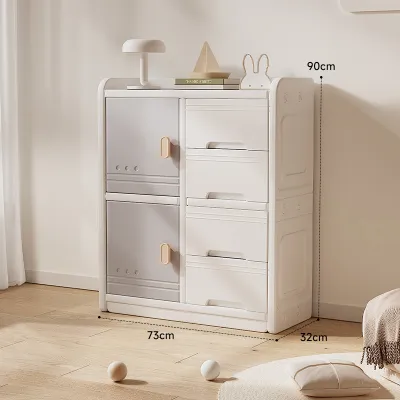
27 Lazada user ratings
Item well packed and fast received. Need time to fix it but is quite easy just that the door node need sometime to fix it.
Seller is very responsive and product highly recommend. Super easy to fix and is aesthetically nice, esp the beige.
Functional and practical, Great storage capacity, easy to assemble Design: good 🔧Durability: great
Best buy! My toddlers loved it. Both kids’ furnitures are sturdy enough yo serve their purpose. 😊
True to picture!
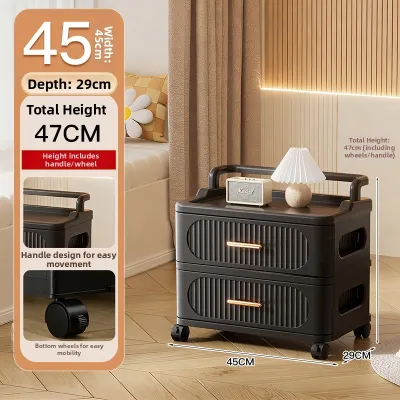
9 Lazada user ratings
I really love it and highly recommend it. The quality is excellent and exactly as described. I am very satisfied!
The quality is great and I really like it. Thanks to the seller.
Well received but long wait delivery.
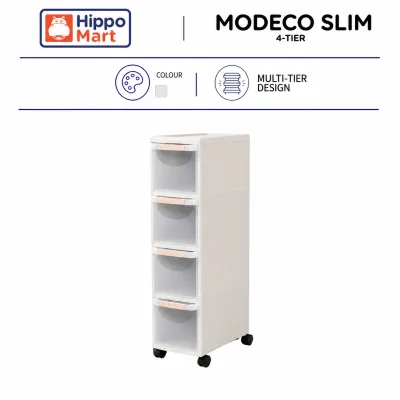
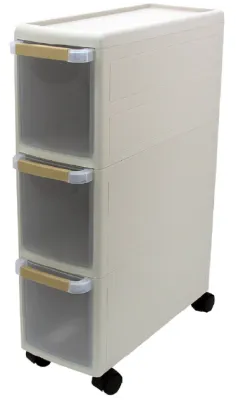
37 Lazada user ratings
seller delivered wrong product. glad that seller arrange for an exchange separately, save me the hassle of raising return refund. quality an…Read full reviewShow less
seller delivered wrong product. glad that seller arrange for an exchange separately, save me the hassle of raising return refund. quality and workmanship of drawers are good. drawers came in assembled and properly packed and boxed. however, the measurement for the 3 drawers models stated on sellers website is not correct. the actual width of the drawer cabinet is only 18cm and not 23.5cm. looks like the measurement indicated on seller's website refers to the carton that packed the drawer.
Very happy with the purchase, fast delivery, can store many things and save significant space of the room. Highly recommended. Thanks Seller…Read full reviewShow less
Very happy with the purchase, fast delivery, can store many things and save significant space of the room. Highly recommended. Thanks Seller.
Delivered in perfect condition as per photo. Like it very much. Feels sturdy and solid.
Good product Sturdy Slim with deep drawers Perfect to store variety of things
similiar to another supplier i bought from. good quality
1 Lazada user ratings
Good. Timber scratch during transport
Prices are valid at publication and may change. Please refer to the product page for the latest price.
How should you prepare your room and gather tools for the decluttering session?
Preparing your physical space and gathering the right tools beforehand ensures your decluttering session remains efficient, organized, and safe. Without a clear plan, emptying a closet can quickly overwhelm a room, turning a productive afternoon into a chaotic multi-day project.

Start by clearing a large, flat surface to serve as your primary sorting station. A freshly made bed or a clean area of the floor lined with a clean sheet works best, providing ample room to spread out garments without damaging them. Next, gather low-risk, practical supplies: sturdy reusable bags or boxes for donations, heavy-duty trash bags for items destined for textile recycling, and removable sticky notes or labels to clearly mark your sorting zones. Before you begin piling heavy winter coats, thick denim, or bedding onto temporary staging areas like lightweight folding tables or wall-mounted shelves, verify their structural limits. Overloading these surfaces can cause bowing or structural failure, so keep heavy piles on the floor or a solid bed frame to maintain a safe working environment.
What step-by-step sorting method helps you decide what to keep, donate, or discard?
A systematic sorting method removes emotional decision-making and replaces it with clear, objective criteria to help you evaluate every garment in your wardrobe. To prevent feeling overwhelmed, either empty the entire wardrobe if you have a dedicated block of time, or work systematically through defined zones, such as one drawer, shelf, or hanging rail at a time.
As you handle each item, place it into one of four distinct categories:
- Keep: This pile is reserved for garments that you have worn within the past twelve months, fit your body comfortably right now, and suit your active lifestyle and Singapore's warm, humid climate. Avoid keeping items based on aspirational sizing or guilt over how much they cost.
- Donate: This category is for clean, wearable garments in good condition that no longer fit or match your style. Before donating, check local Singapore guidelines for charity drop-offs or community collection points to ensure they are currently accepting clothing. Items should be washed and free of major stains or tears.
- Discard/Recycle: Garments that are permanently stained, torn, stretched out, or otherwise unwearable belong here. Rather than sending them to a landfill, look for local textile recycling initiatives or dedicated collection bins that process old fabrics into industrial rags or recycled fibers.
- Maybe: If you encounter an item that triggers intense indecision, place it in a designated "maybe" box. Seal this box, write a date three to six months in the future on the front, and store it out of sight. If you do not open the box to retrieve that item during that period, you can confidently donate or recycle the contents without reviewing them again, as you have proven you can live comfortably without them.
How do you measure your space and calculate the exact storage capacity you need?
Transitioning from purging to purchasing requires precise spatial planning to ensure your new closet organizers physically fit your wardrobe and functionally hold your remaining clothes. Measuring your space accurately prevents the frustration of buying organizers that block doors, overlap hinges, or leave unusable gaps.
Begin by using a metal measuring tape to record the exact interior dimensions of your wardrobe: the total width, the depth from the back wall to the door frame, and the height of each shelf compartment. Be sure to account for internal obstructions such as door hinges, sliding door tracks, drawer runners, and light fixtures. For example, sliding wardrobe doors often have an overlap zone that can prevent deep drawers or pull-out baskets from opening fully if they are placed too close to the center.
Next, group your kept items by their storage requirements to calculate your capacity needs. Measure the total width of your hanging clothes when compressed gently together on a rail; this gives you the exact linear hanging space required for long dresses or short shirts. For folded items, stack them in neat piles to determine the height and depth of shelves or drawers needed. Finally, verify the load capacity of your existing wardrobe shelves. Standard particleboard shelves can sag under heavy loads, so ensure any planned modular units or heavy storage boxes do not exceed the manufacturer’s recommended weight limits.
Which closet organizer configurations best fit your newly sorted clothing categories?
Matching your decluttered clothing categories to the right organizer configurations maximizes your storage efficiency while protecting your garments from damage. Different fabrics and clothing styles require specific storage environments to maintain their shape and accessibility.
For lightweight cotton t-shirts, activewear, and undergarments, shallow drawers equipped with adjustable drawer dividers are highly effective. These dividers keep folded items upright and visible, preventing the entire drawer from becoming messy when you pull one item out. Heavy knits, delicate silks, or structured garments that might stretch or lose shape on hangers should be placed flat on open shelves or inside breathable fabric bins.
If your wardrobe features high ceilings but limited hanging rails, consider adding a double hanging rod to maximize vertical space for short items like shirts and folded trousers. Pull-out wire baskets are excellent for deep cabinets because they allow you to view and access items at the back without rummaging, while solid plastic bins protect seasonal items or travel gear from dust and humidity. Always check the manufacturer’s specifications for material care, assembly requirements, and load limits before purchasing. In Singapore’s humid climate, prioritize breathable materials or include moisture absorbers in sealed plastic containers to prevent mold and mustiness.
What daily and seasonal habits will keep your wardrobe decluttered after organizing?
Maintaining an organized wardrobe requires consistent, low-effort habits rather than occasional massive overhauls. Once you have established a functional system with your new closet organizers, simple daily and seasonal routines will prevent clutter from slowly reclaiming your space.
Implement the “one in, one out” rule to maintain a stable volume of clothing. For every new fashion item you purchase or bring into your home, choose an existing piece to donate, sell, or recycle. This simple boundary forces you to evaluate whether a new purchase is truly worth replacing something you already own, keeping your wardrobe volume within your established storage capacity.
Additionally, schedule a brief seasonal review twice a year. While Singapore does not experience dramatic winter-to-summer transitions, this review is an ideal time to inspect garments for humidity-related damage, assess travel wear, and rotate less frequently worn items to higher shelves. Finally, establish a quick daily reset routine. Spend two minutes each evening returning clean clothes to their designated zones and placing worn items directly into the laundry basket. This small daily commitment ensures your new closet organizers continue to function efficiently for years to come.
Community discussion
Share your experience or ask a question. Comments are reviewed before publication.