
Renting a home requires a thoughtful approach to interior styling, where every decorative choice must balance personal expression with the practicalities of a lease agreement. When selecting a vase, you are not just choosing an aesthetic accent; you are choosing an item that must coexist with limited space, temporary furniture, and strict security deposit guidelines. The ideal rental-friendly vase is one that minimizes the risk of accidental damage to surfaces, survives the inevitable packing and unpacking of relocations, and scales appropriately to typical rental layouts. By focusing on material stability, spatial proportions, and protective placement, you can enjoy beautiful floral arrangements without risking your deposit.
Choosing Shatter-Resistant and Stable Materials
Glass and delicate ceramics are classic choices, but they are highly vulnerable to accidental knocks, especially in high-traffic rental areas or compact apartments. If a ceramic vase chips or a glass vessel shatters, it creates immediate safety hazards and potential damage to rental flooring. For renters, prioritizing durability does not mean sacrificing style, as modern alternative materials offer both resilience and aesthetic appeal.
Shatter-resistant options like acrylic, metal, and treated wood provide excellent alternatives to fragile glassware. Acrylic vases offer the clean transparency of glass with significantly higher impact resistance, making them ideal for busy households. Metal vases, such as those made of brass, aluminum, or powder-coated steel, provide exceptional durability and a modern aesthetic, though you must check their interior coating to ensure they are watertight. Treated wood or bamboo vases add organic warmth, but they require a plastic or glass liner to hold water safely.
Products mentioned in this guide
![[Local Stock] Elegant Transparent Glass Plant Flower Vase Pot](https://img.lazcdn.com/g/p/7bf4a85e45340c7fb55ec566cbed6128.jpg_400x400q80.jpg_.webp)
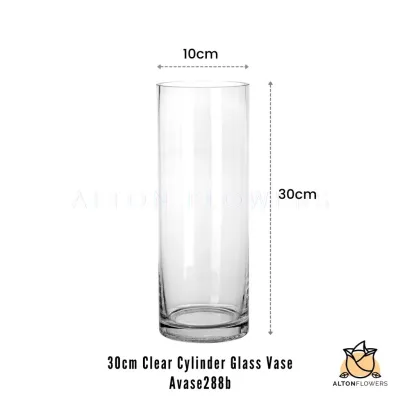
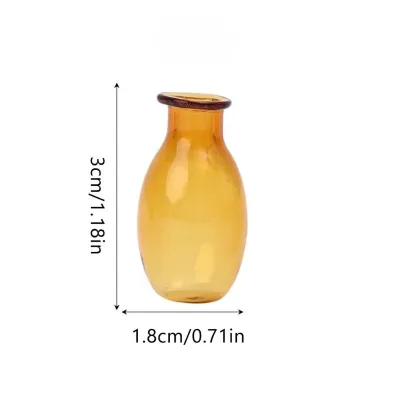
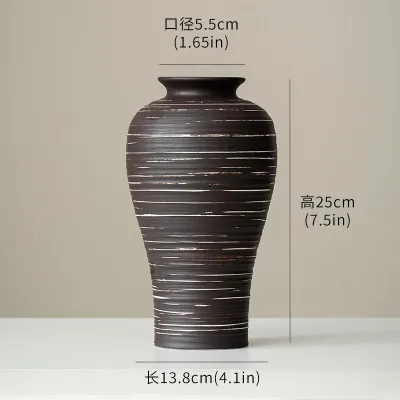
![[SG SELLER]Metal Gold Vase Flower Nordic Style Frame Iron Glass Tube Iron Pot Elegant Home Decoration Wedding Gift](https://img.lazcdn.com/g/p/689dbc8a278d4fdaf386ed4b2e02335c.jpg_400x400q80.jpg_.webp)
Prices are valid at publication and may change. Please refer to the product page for the latest price.
Rental furniture, such as lightweight flat-pack bookshelves or narrow console tables, can be prone to wobbling. A top-heavy vase filled with water and tall stems is a tipping hazard. Look for vases with a wide, heavy base that lowers the center of gravity. If you fall in love with a lightweight vase, consider adding decorative river stones or glass gems to the bottom to increase stability, provided the material can handle the internal weight.
Check the exterior finish of any vase before purchasing. Matte ceramic finishes can sometimes scrape paint off walls or leave scuff marks on delicate laminate surfaces. High-gloss glazes, polished metals, and smooth acrylics are generally easier to wipe down when dust or hard water rings accumulate. Ensure the finish does not require specialized chemical cleaners that could accidentally spill and damage your rental countertops.
Sizing Vases for Compact Rental Spaces
Rental homes often feature fixed shelving, compact window sills, or low under-cabinet clearances. Before purchasing a vase, measure these spaces carefully. A tall cylinder vase might look stunning in a store, but if it cannot fit under your kitchen cabinets or on your living room bookshelf, its utility is severely limited.

A massive, heavy ceramic urn can easily overwhelm a small dining table or a narrow entryway console. Conversely, a tiny bud vase might get lost on a large kitchen island. Aim for visual balance. For narrow surfaces, choose slender, oval, or rectangular vases that offer a slim profile while still providing enough opening for a beautiful arrangement.
Renters benefit greatly from multi-functional decor. A medium-sized vase with a moderately wide neck is highly versatile. It can accommodate a full bouquet of seasonal flowers, a few minimalist branches, or even serve as a dry decorative piece on its own. Avoid extremely narrow-necked bud vases unless you plan to display single stems exclusively, as they limit your styling options throughout the year.
Protecting Surfaces with Damage-Free Placement
Rental properties often feature laminate, veneer, or soft wood surfaces that scratch easily. Even a smooth-looking ceramic base can have rough, unglazed clay on the bottom ring. To prevent scratches, apply self-adhesive felt pads, cork coasters, or thin silicone mats to the underside of your vases. These simple barriers create a soft buffer between the vessel and your furniture, ensuring you leave no trace behind when it is time to move.
Water damage is one of the most common reasons for deposit deductions. Porous materials like unglazed terracotta, low-fire ceramics, and wood can weep or sweat moisture over time, leaving unsightly water rings on wooden tables or drywall. Always test a new ceramic vase for watertightness by leaving it filled with water on a plastic tray for 24 hours. If you suspect any porosity, use a watertight plastic liner inside the vase, or place a decorative, non-porous tray beneath it to catch any slow leaks or condensation.
Hanging decor can make a small rental feel larger by freeing up surface space, but drilling holes in walls is often restricted. If you plan to use removable adhesive strips or hooks to hang lightweight wall vases, check the manufacturer’s weight ratings carefully. Ensure the wall surface is clean and compatible with the adhesive. Never use temporary adhesives to hang heavy glass or ceramic vases, or any vessel filled with water, as the weight of the water and stems can easily exceed the adhesive’s holding capacity over time, leading to a messy and costly fall.
Selecting Easy-Clean and Moving-Friendly Designs
A clean vase is essential for keeping floral arrangements fresh and preventing unpleasant odors. Vases with complex geometric shapes, tight twists, or extremely narrow necks can be incredibly difficult to clean inside. Algae and mineral deposits build up quickly, and if you cannot reach them with a standard bottle brush, the vase can become unusable. Opt for designs with straight walls or wide openings that allow you to easily scrub the interior and dry it completely before storage.
Renters move more frequently than homeowners, meaning your decor must be packable. Highly fragile vases with delicate, protruding handles, intricate external filigree, or irregular shapes are a nightmare to pack securely. They require excessive bubble wrap, custom-cut foam, and valuable box space. Symmetrical, sturdy shapes like cylinders, cubes, and soft globes pack tightly into standard moving boxes with minimal risk of breakage.
When you are between leases or simply rotating your decor, storage space is often at a premium in rental apartments. Vases that can nest inside one another or those with a compact footprint are much easier to store in closets or under-bed containers. Consider choosing a small, curated collection of highly versatile vases rather than accumulating numerous single-use vessels that will clutter your storage areas and complicate your next relocation.
Frequently Asked Questions (FAQ)
Can I use adhesive hooks to hang wall vases in a rental?
Yes, but only under strict conditions. You must check the manufacturer’s weight rating for both the adhesive hook and the wall vase itself. Ensure the wall surface is properly prepared by wiping it with rubbing alcohol to remove dust and oils. Avoid hanging heavy ceramic, stone, or glass vases, and never fill wall-mounted vessels with water, as the shifting weight can cause the adhesive to fail. Instead, use lightweight acrylic or plastic wall pockets styled with faux botanicals or dried stems to eliminate the risk of water damage and shattering.
What is the safest vase material for renters with pets?
For households with curious cats or dogs, shatterproof materials are essential to prevent injuries from broken shards and spilled water. Acrylic, metal, and heavy-duty silicone vases are the safest options because they will not shatter if knocked off a table or shelf. Additionally, choose vases with a wide, heavy base to prevent tipping, and avoid using small decorative stones or water beads inside the vase, as these can be easily swallowed by pets if the vessel is overturned. Always ensure the plants and flowers you display are non-toxic to your animals.

Community discussion
Share your experience or ask a question. Comments are reviewed before publication.