
Selecting a custom metal kitchen cabinet provider in Singapore requires a systematic approach that prioritizes technical precision over aesthetic promises. While traditional wood-based cabinetry has long been the default, Singapore’s high relative humidity, tropical climate, and susceptibility to pests like termites have driven a significant shift toward metal alternatives. Aluminum and stainless steel cabinets offer exceptional durability, but their success depends entirely on the quality of the customization process. Because metal cannot be easily trimmed or adjusted on-site during installation, the brand you choose must possess flawless design, fabrication, and installation capabilities.
To secure a reliable custom solution, homeowners must look beyond showroom displays and evaluate the underlying engineering. A successful project relies on clear communication, material transparency, and a structured workflow. This guide outlines the essential criteria for assessing local metal cabinet brands, navigating the fabrication process, and verifying structural quality to ensure your kitchen renovation is a lasting investment.
Key Criteria for Evaluating Custom Metal Cabinet Brands
When searching for a metal kitchen cabinet specialist in Singapore, the first point of evaluation is their design infrastructure. Determine whether the brand employs an in-house design and engineering team or outsources their drafting to third-party contractors. In-house teams are generally more reliable because they possess a direct, working knowledge of the specific metal profiles, joinery systems, and load capacities of their proprietary products. This direct link between design and fabrication minimizes the risk of translation errors when your kitchen layout is sent to the factory.
Products mentioned in this guide
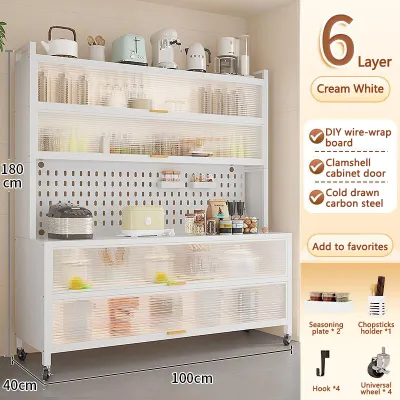
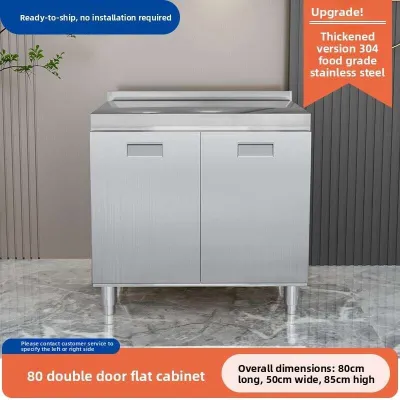
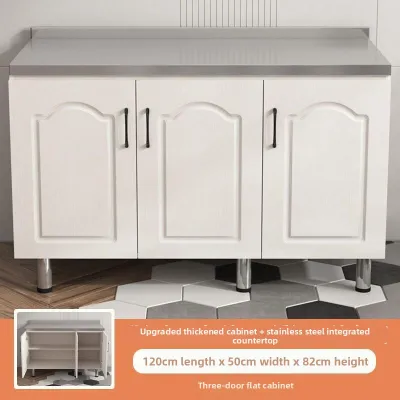
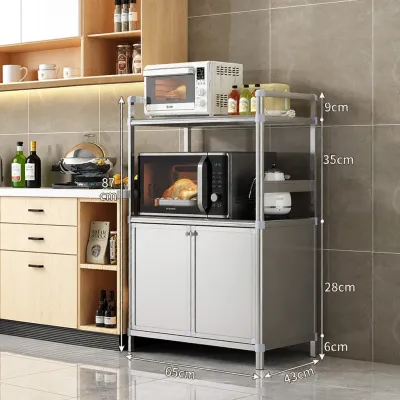
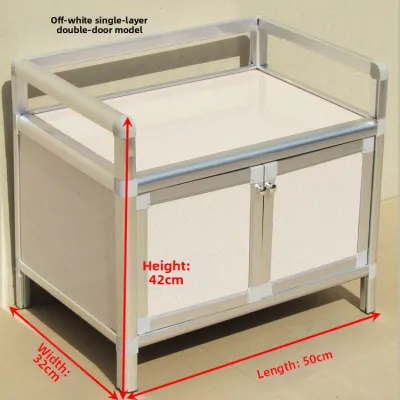
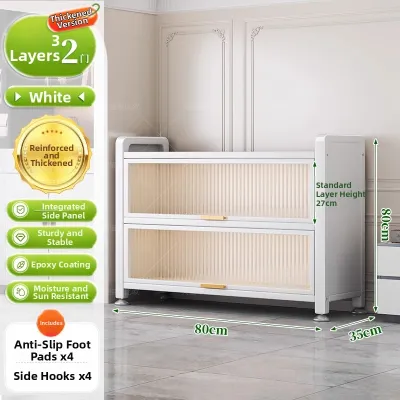
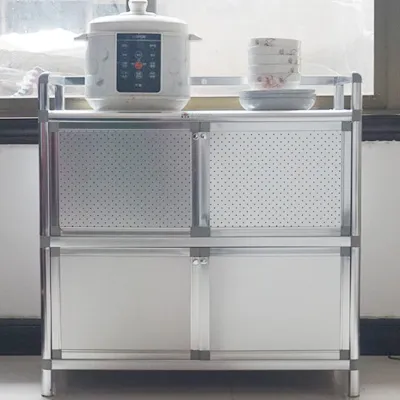
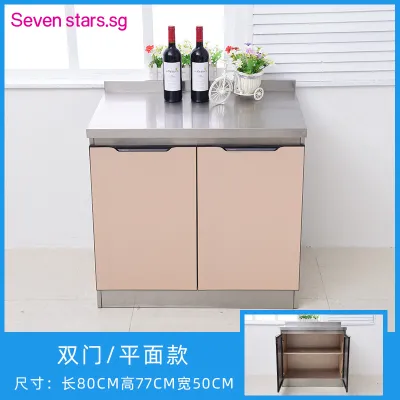
Prices are valid at publication and may change. Please refer to the product page for the latest price.
Material transparency is another critical benchmark. Reliable brands should openly share the exact specifications of the metals they use. For stainless steel cabinetry, insist on Grade 304 (SUS 304) as the minimum standard for kitchen environments, as it offers excellent resistance to corrosion from water and food acids. For aluminum cabinetry, ask about the alloy grade and the thickness of the panels. Furthermore, the brand should provide detailed information on their surface treatments, such as powder coating or anodizing, which protect the metal from oxidation and scratches.
Warranty terms offer a clear window into a manufacturer’s confidence in their product. A robust warranty should be split into two distinct categories: structural integrity and moving hardware. While a brand might boast a 10-year or 20-year warranty on the metal carcasses, the fine print may reveal that the hinges, drawer runners, and gas lifts are only covered for one or two years. Ensure the brand uses reputable, certified hardware brands and clearly outlines who is responsible for replacement labor costs if a component fails.
Finally, never commit to a brand without visiting their physical showroom. A showroom visit allows you to inspect the actual build quality of the cabinets rather than relying on digital renderings. Pay close attention to the weight of the doors, the sound-dampening materials used inside the double-walled panels, and the seamlessness of the joints. If a showroom display exhibits loose hinges, misaligned drawers, or chipped coatings, it is a strong indicator of poor quality control or inadequate post-installation maintenance support.
Navigating the End-to-End Customization Process
The customization of metal kitchen cabinets follows a strict, sequential process that leaves very little room for error. The journey begins with a comprehensive site measurement. In Singapore, kitchen spaces—particularly in HDB flats and older condominiums—often feature complex layouts with exposed copper gas pipes, water meters, structural pillars, and uneven walls. A reliable brand will send an experienced technician to map these elements precisely. They must identify any structural constraints early, as metal panels cannot be shaved down on-site to fit an unexpected wall protrusion.

Once measurements are secured, the brand will generate detailed 3D renderings and technical shop drawings. This stage is your opportunity to review the ergonomics of your kitchen layout, the placement of internal shelves, and the integration of appliances. You must carefully verify that the drawings account for the exact dimensions of your built-in appliances, sink, and hob. Your formal approval of these technical drawings acts as the final instruction for the factory; once the metal is cut and bent using CNC machinery, making structural alterations is highly difficult and expensive.
Manufacturing lead times for custom metal cabinetry typically range from four to eight weeks, depending on whether the fabrication occurs locally or in regional facilities. Throughout this production phase, a professional brand should provide proactive milestone updates, such as when the raw materials are prepared, when the powder coating is applied, and when the units pass quality control. These checkpoints ensure that any fabrication defects are caught and rectified at the factory rather than during installation.
The final phase is on-site installation, which should be executed by trained, brand-authorized installers. Because metal cabinets are heavy and rigid, the installation team must take extensive precautions to protect your existing flooring, walls, and countertops. They should lay down protective sheets and use specialized leveling tools to ensure the carcasses are perfectly plumb and square. Once installed, a formal handover inspection should be conducted, during which you and the supervisor check every door alignment, drawer glide, and joint seal before signing off.
Material and Structural Checks for Metal Cabinets
To verify the quality of metal cabinetry without relying on marketing claims, you must know what physical details to inspect. Start by requesting the manufacturer’s technical specification sheets to check the metal thickness, often referred to as the gauge. For aluminum cabinets, panel thicknesses typically range from 0.8mm to 1.5mm. Panels that are too thin will feel flimsy and are prone to denting under impact, while excessively thick panels add unnecessary weight to your wall structures. The specification sheet should also detail the rust-prevention treatments applied to any internal steel reinforcements.
Next, evaluate the moving hardware, which bears the brunt of daily wear and tear. In the showroom, repeatedly open and close the cabinet doors and drawers to test their smoothness and alignment. High-quality metal cabinets utilize soft-close hinges and heavy-duty drawer slides that glide effortlessly without lateral play. Inspect how these hardware components are mounted to the metal carcass; they should be secured with high-grade stainless steel fasteners or specialized rivets that prevent galvanic corrosion—a chemical reaction that occurs when dissimilar metals come into contact in a humid environment.
The quality of the finishing is a direct reflection of the brand’s manufacturing standards. Run your fingers along the edges, corners, and welding seams of the display units. High-end metal cabinets feature smooth, deburred edges that pose no risk of cuts, and welding seams should be ground down and polished until they are virtually invisible. The surface coating, whether powder-coated or laminated, must be perfectly uniform. Look closely for signs of ‘orange-peel’ texture, bubbling, or thin spots near the corners, as these imperfections can expose the underlying metal to moisture.
Lastly, examine the internal shelf support structures and adjustable mechanisms. Metal shelves must be supported by sturdy, locking shelf pins that fit snugly into pre-drilled holes along the cabinet walls. Check if the shelves feature reinforced under-ribs or folded edges, which significantly increase their load-bearing capacity and prevent sagging when loaded with heavy cookware, rice dispensers, or small appliances. Ask the consultant for the certified weight capacity limits of both the individual shelves and the drawer runners.
Verifying Brand Reliability and Past Performance
Validating a company’s track record in Singapore’s competitive renovation market requires active due diligence. Begin by asking the brand for detailed case studies or, if possible, to arrange a visit to a recently completed local project. Seeing a real-world installation in a typical Singaporean home provides invaluable context regarding their workmanship, space-saving solutions, and how well they integrate metal cabinetry with local countertop materials like quartz, sintered stone, or solid surface.
Customer reviews and testimonials should be analyzed with a critical eye. Rather than focusing solely on five-star ratings, look for detailed reviews that describe how the brand handled challenges, such as delayed shipments, minor measurement errors, or post-installation defects. A reliable brand is defined by its responsiveness during the defect liability period. Check if past clients mention prompt follow-ups and hassle-free rectifications, as this indicates a strong commitment to customer satisfaction long after the final payment is made.
Verify the brand’s formal business credentials and industry standing. In Singapore, reputable contractors should be registered with the Accounting and Corporate Regulatory Authority (ACRA). If you are renovating an HDB flat, it is highly advantageous to work with a brand that is listed under the HDB Registered Renovation Contractors scheme, ensuring they are familiar with public housing structural guidelines. Look for additional quality marks, such as CaseTrust accreditation or ISO certifications for manufacturing quality management, which provide an extra layer of consumer protection.
Finally, assess the professionalism and technical expertise of the design team during your initial interactions. A reliable designer will not simply agree to all your requests; instead, they will actively analyze your cooking habits, storage needs, and kitchen traffic flow. They should offer practical solutions to potential issues, such as recommending specific clearances around high-heat appliances or suggesting appropriate ventilation strategies to prevent condensation buildup inside the metal carcasses.
Preparing for Your Initial Design Consultation
A productive first meeting with a custom metal cabinet designer depends heavily on the information you bring to the table. Start by gathering accurate dimensions of your kitchen space. If you have a copy of your property’s floor plan, print it out and bring it along. Take clear photographs of the existing kitchen from multiple angles, making sure to capture the exact locations of plumbing inlets, floor traps, electrical sockets, gas pipes, and ventilation outlets. These fixed points dictate where major appliances and wet zones must be positioned.
Next, compile a comprehensive list of your kitchen appliances, noting their exact dimensions and installation requirements. This list should include both built-in appliances—such as ovens, hobs, hoods, and dishwashers—and freestanding items like refrigerators, microwaves, and water dispensers. Because metal cabinets are fabricated to precise tolerances, the design team needs these measurements early to plan the necessary cutouts, heat-shielding panels, and structural reinforcements.
Establish a realistic budget range for your kitchen renovation. Custom metal cabinetry generally requires a higher initial investment than standard plywood options due to the specialized materials and precision fabrication involved. By sharing your budget openly, the designer can help you optimize your spend—for instance, by suggesting a hybrid design that pairs durable metal carcasses with cost-effective door finishes, or by prioritizing metal construction specifically for high-moisture zones like the sink cabinet.
Finally, organize your aesthetic preferences and functional priorities. Collect reference images that showcase your preferred color schemes, handle designs, and organizational accessories like pull-out larders or corner carousels. It is equally helpful to identify specific pain points from your current or previous kitchens—such as deep, hard-to-reach corner cabinets or inadequate drawer space—so the designer can engineer targeted solutions into your new custom metal layout.
Frequently Asked Questions (FAQ)
Are metal kitchen cabinets suitable for Singapore's humid climate?
Yes, high-quality metal kitchen cabinets are exceptionally well-suited for Singapore’s tropical climate, provided they are manufactured with the correct materials and surface treatments. Unlike wood-based materials, metals like aluminum and high-grade stainless steel do not absorb moisture, swell, or warp when exposed to high humidity. To ensure long-term durability, verify that the cabinets feature rust-inhibitive powder coatings or anodized finishes that seal the metal from atmospheric moisture. Additionally, your kitchen design should incorporate proper ventilation clearances around appliances and sink areas to prevent localized condensation buildup, ensuring the cabinetry remains dry and pristine.
What should I look for in a metal cabinet warranty?
When reviewing a custom metal cabinet warranty, look for a clear distinction between structural components and moving parts. A reliable warranty should offer long-term coverage (typically 10 years or more) for the structural integrity of the metal carcasses, frames, and panels against warping, joint failure, or manufacturing defects. In contrast, moving hardware like hinges, drawer runners, and soft-close mechanisms usually carry separate warranties, often backed by the hardware manufacturer. Ensure the warranty explicitly details the claim process, including whether it covers the cost of replacement labor and transport, and check for exclusions regarding accidental impact, chemical damage, or unauthorized modifications.
Community discussion
Share your experience or ask a question. Comments are reviewed before publication.