
Finding a reliable bamboo hanging rack in Singapore requires looking past generic brand names—many of which are white-labeled or imported—and evaluating specific manufacturing treatments, structural designs, and seller reliability. Because Singapore’s tropical climate features high relative humidity—often exceeding 80%—untreated or poorly finished bamboo is highly susceptible to warping, splitting, and mold growth. The most reliable brands are not necessarily those with the largest marketing budgets, but those that openly document their manufacturing processes, use robust metal-to-metal joint connectors, and offer clear weight capacity ratings.
When shopping on local e-commerce platforms or visiting physical furniture showrooms, you will encounter a wide price spectrum, ranging from budget-friendly utility racks costing around S$20 to S$50, to premium, multi-functional wardrobe systems priced between S$80 and S$150 or more. To secure a durable piece that matches your home’s aesthetic and functional needs, you must systematically evaluate the material quality, design configuration, and installation requirements before making a purchase.
How to Evaluate the Quality of Bamboo Hanging Rack Brands
The longevity of any bamboo furniture piece in Singapore’s tropical environment depends heavily on how the raw material was treated before assembly. High-quality brands subject their bamboo to carbonization—a high-temperature thermal process that extracts natural sugars and starches from the fibers. Removing these organic compounds is essential because they serve as the primary food source for mold spores and wood-boring insects. Additionally, look for brands that utilize professional kiln-drying to reduce the internal moisture content of the bamboo to a stable level, preventing the wood from shrinking or expanding when exposed to fluctuating household temperatures.
Products mentioned in this guide
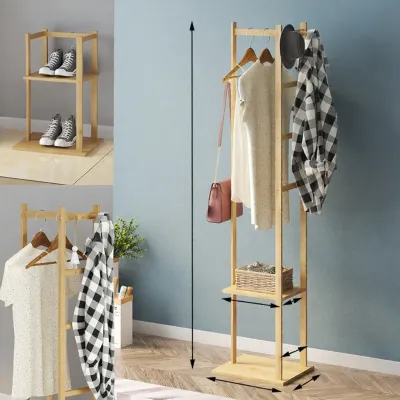
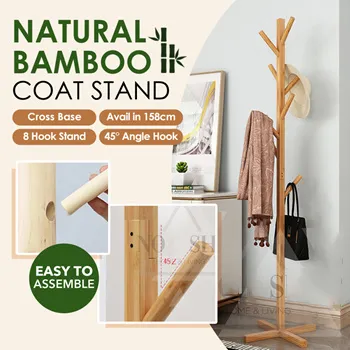
Prices are valid at publication and may change. Please refer to the product page for the latest price.
Beyond thermal treatments, the protective surface finish is your primary defense against Singapore’s ambient humidity. Premium brands apply multiple layers of water-resistant polyurethane or specialized anti-fungal lacquer to seal the porous bamboo grain. When browsing product listings, check the specifications for terms like “three-layer varnish” or “eco-friendly water-based sealing coat.” If a brand does not mention any protective finish or describes the item as “raw” or “natural unsanded,” the rack will likely require manual sealing or will degrade quickly in non-air-conditioned spaces.
Structural integrity is determined by how the individual bamboo components are joined together. Lower-tier brands often cut costs by using simple wood screws driven directly into the soft end-grain of the bamboo poles, a design prone to stripping and splitting under load. Reliable manufacturers instead employ metal-to-metal connections, utilizing threaded metal inserts embedded into the bamboo or heavy-duty barrel sleeves that clamp the joints securely. Some premium options may also feature traditional mortise-and-tenon joinery, which naturally distributes weight across the frame and minimizes wobbling.
Finally, never assume that a rack is sturdy simply because it is made of bamboo. While bamboo fibers have excellent tensile strength, the overall load-bearing capacity is limited by the thickness of the poles and the geometry of the frame. Trustworthy brands clearly state their maximum weight capacities—typically segmented by the hanging rod (e.g., 15kg to 25kg) and individual shelves (e.g., 10kg to 20kg each). Look for brands that back these numbers with structural testing claims or quality certifications, ensuring the rack will not buckle under the weight of your daily wardrobe.
Matching Bamboo Rack Designs to Your Space and Needs
Selecting the right bamboo hanging rack involves balancing your storage requirements with the physical limitations of your Singapore home. Different configurations serve distinct spatial purposes, whether you are furnishing a spacious bedroom or optimizing a tight entryway.

Freestanding Floor Racks
Freestanding floor racks are highly versatile, making them ideal for entryways, bedrooms with open-concept wardrobes, or HDB household shelters (bomb shelters) converted into organized utility spaces. These racks typically feature a main hanging rod paired with one or more lower shelves for shoes, storage baskets, or folded garments. Because they stand independently, they can be easily repositioned as your room layout changes, offering a flexible storage solution.
To ensure a freestanding rack remains stable, you must carefully evaluate its base footprint and overall weight distribution. Look for designs with an A-frame or a wide, rectangular box base, which naturally lowers the center of gravity and prevents tipping when heavy items are hung. Additionally, verify whether the brand includes anti-slip rubber pads or adjustable leveling feet for the bottom of the rack; these components protect your vinyl, laminate, or tiled flooring from scratches while compensating for minor floor unevenness.
Before purchasing a large freestanding unit, practical logistical measurements are essential. Measure your ceiling height, corridor widths, and door clearances to ensure that either the packaged flat-pack or the fully assembled rack can be easily transported through your HDB lift lobby and into your home. If you live in an older estate with smaller lift cabins, checking the maximum package dimensions provided by the seller is a crucial pre-purchase step.
Wall-Mounted and Over-the-Door Options
For compact environments such as narrow HDB corridors, small study rooms, or tight spaces behind bedroom doors, wall-mounted racks or over-the-door hooks offer excellent space-saving utility. These designs lift your items off the floor entirely, preserving valuable floor space and keeping walkways clear. They are perfect for hanging light daily essentials like keys, bags, hats, and light jackets.
Installing a wall-mounted bamboo rack in Singapore requires careful consideration of your wall material. Most HDB flat internal walls are constructed from solid concrete, which requires a masonry drill bit, plastic wall plugs (anchors), and sturdy screws to mount the rack securely. If you are mounting onto drywall partition walls—commonly found in newer condominiums or renovated rooms—you must use specialized toggle bolts or drywall anchors to prevent the rack from tearing out of the plasterboard under load. Always verify that the brand provides the necessary mounting hardware and clear drilling templates.
If you opt for an over-the-door bamboo rack, precise measurements of your door frame are required. Measure the thickness of your door (standard Singapore doors are typically 35mm to 40mm thick) and ensure the top bracket hook matches this dimension to prevent the rack from rattling. Additionally, check the clearance gap between the top of the door and the door frame; if the gap is less than 2mm, the metal brackets may scrape against the frame, preventing the door from closing smoothly or damaging the paintwork.
Pre-Purchase Checklist: Space, Assembly, and Surface Care
To avoid post-purchase regret, run through a comprehensive checklist covering spatial planning, assembly expectations, and long-term maintenance before finalizing your order.
- Space Planning: Start by measuring the physical footprint of the intended area, ensuring you leave at least 60cm of clear walking space around the rack for comfortable movement. Next, calculate the vertical clearance required for your specific wardrobe; long garments like maxi dresses, trench coats, and jumpsuits typically require at least 130cm to 150cm of hanging height to prevent them from dragging on the lower shelves or floor.
- Assembly Conditions: Most bamboo furniture sold online arrives flat-packed to reduce shipping costs, meaning you will need to assemble the piece yourself. Check customer reviews to see if the brand provides clear, step-by-step English instructions and pre-drilled holes that align perfectly. While basic assembly kits usually include a standard Allen key, having a rubber mallet and a high-quality screwdriver on hand can make the process significantly faster and prevent you from stripping the screw heads.
- Surface Care and Limits: To protect your investment, review the manufacturer's care instructions and establish a simple maintenance routine. Bamboo is highly sensitive to extreme environmental conditions, so avoid placing your rack in direct sunlight, which can dry out the fibers and cause cracking, or in high-moisture zones like unventilated bathrooms or open balconies. For daily cleaning, simply dust the surface with a dry microfiber cloth; if a deeper clean is required, wipe the wood with a slightly damp cloth and dry it immediately with a clean towel. Never use harsh chemical solvents, bleach, or abrasive scrubbing pads, as these will strip the protective polyurethane finish and expose the raw bamboo to moisture.
How to Verify Seller Reputation and Quality Online
Because many bamboo hanging racks in Singapore are purchased through online marketplaces, learning how to distinguish reputable sellers from low-quality distributors is essential for a smooth shopping experience.
Begin by analyzing the seller’s overall rating and the volume of successful transactions they have completed. Focus your attention on the one-star and two-star reviews left by verified buyers, as these often contain critical information regarding structural integrity, misaligned pre-drilled holes, missing hardware, or items arriving with mold spots. Utilize the platform’s public Q&A section to see how promptly and professionally the seller responds to customer inquiries, which is a strong indicator of their post-sales support.
Before adding an item to your cart, carefully review the seller’s return and refund policies. In Singapore, reputable sellers often offer a local return window (typically 7 to 15 days) or a limited warranty covering manufacturing defects like structural splitting or warped frames. Avoid sellers who require you to ship defective items back to overseas warehouses at your own expense, as the shipping fees can easily exceed the cost of the rack itself.
If you are uncertain about the quality of a product listing, do not hesitate to contact the seller directly. Ask them to provide actual, unedited photos of the rack in a real-world setting, close-up images of the joint assembly, or official certificates verifying their bamboo treatment processes. A trustworthy seller who is confident in their product’s quality will gladly provide this information to secure your business, whereas unresponsive or evasive sellers should be treated as a warning sign to look elsewhere.
Frequently Asked Questions (FAQ)
How do I prevent my bamboo hanging rack from molding in a humid climate?
To prevent mold growth in Singapore’s humid climate, ensure the room where the rack is placed remains well-ventilated by keeping windows open or using a ceiling fan to promote airflow. In enclosed spaces like walk-in wardrobes or bomb shelters, run a dehumidifier or place disposable moisture-absorbing canisters nearby. Always wipe down the rack with a dry microfiber cloth during your regular cleaning routine, and avoid hanging damp towels or wet laundry directly on the bamboo frame, as standing moisture will eventually penetrate the protective varnish.
Can a freestanding bamboo rack hold heavy winter coats?
Whether a freestanding bamboo rack can safely hold heavy winter coats depends entirely on the brand’s specific structural design, pole thickness, and joint reinforcement rather than the bamboo material itself. Always check the manufacturer’s stated maximum weight capacity before loading the rack. To maintain stability and prevent the rack from tipping over, distribute heavy winter garments evenly across the hanging rod and place heavier storage boxes or shoes on the bottom shelf to keep the center of gravity as low as possible.
Community discussion
Share your experience or ask a question. Comments are reviewed before publication.