
Finding the right metal stool bench for your Singapore home involves balancing industrial charm, space-saving utility, and long-term durability. In compact HDB flats and modern condominiums, a metal stool bench serves as a versatile seating solution that can easily tuck away under dining counters or kitchen islands. However, selecting the right brand requires looking beyond aesthetics to evaluate structural integrity, weld quality, and climate-appropriate finishes.
Because metal furniture is a long-term investment, understanding how different brands manufacture and finish their products will help you make an informed decision. By focusing on construction standards, material treatments, and spatial compatibility, you can find a metal stool bench that not only complements your interior design but also withstands the demands of daily household use.
Key Criteria for Evaluating Metal Stool Brands
When evaluating metal stool brands, the quality of frame construction and joint welding should be your primary consideration. High-quality brands utilize full-perimeter welds, where the metal joints are completely fused together, rather than simple spot welding. Spot welds are prone to cracking under repeated lateral stress, especially when users lean back or shift their weight on the stool. Examine the joints closely; a premium brand will grind the welds smooth, creating a seamless transition between metal pieces, whereas lower-quality options often leave messy, uneven slag.
Products mentioned in this guide
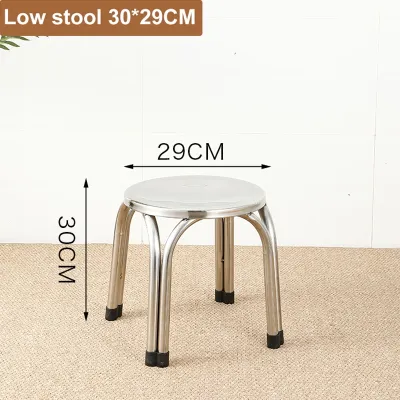
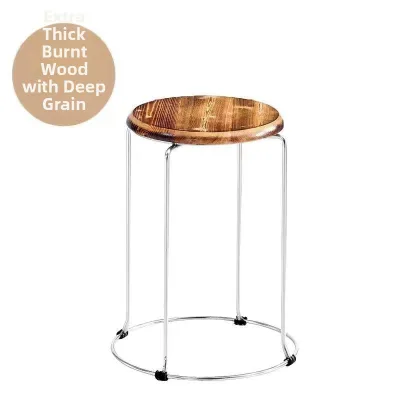
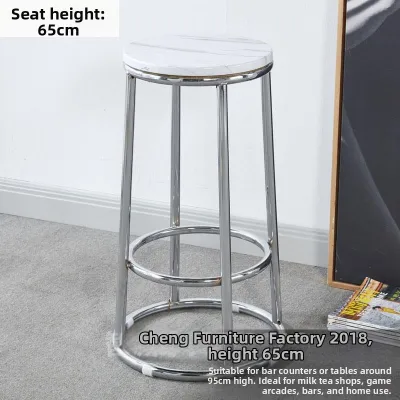
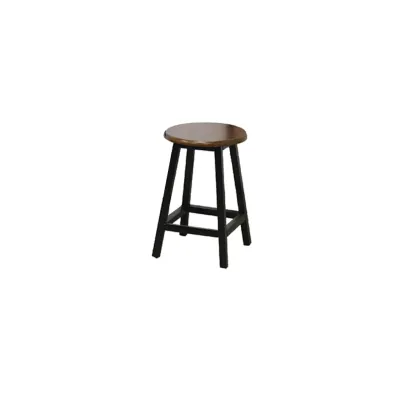
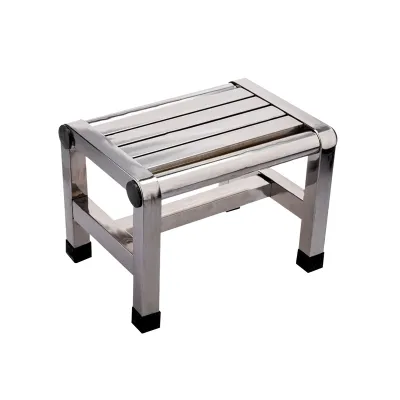
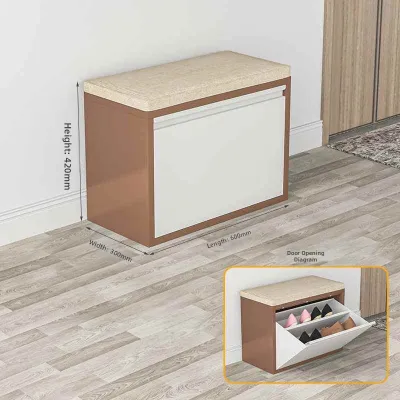
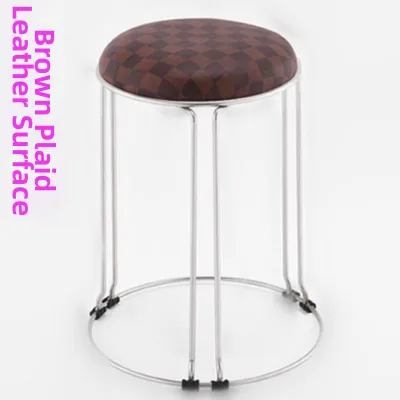
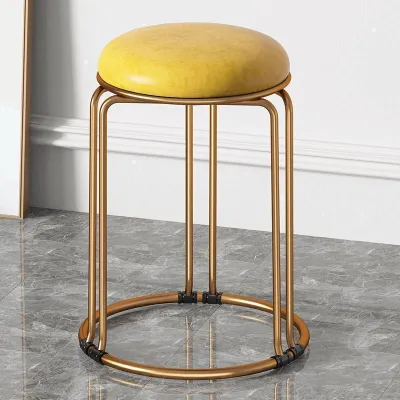
Prices are valid at publication and may change. Please refer to the product page for the latest price.
The thickness or gauge of the metal tubing also dictates the stool’s overall durability and resistance to denting. Brands that prioritize structural integrity typically use heavy-gauge steel or aluminum, which provides a solid, unyielding frame. Lightweight, thin-walled metal tubes might be easier to move, but they are highly susceptible to bending and warping over time. If you are considering a hollow tubular frame, check the manufacturer’s specifications for the metal thickness to ensure it can handle daily wear without flexing.
Surface treatments are another critical factor, particularly in Singapore’s humid environment. Powder coating is the industry standard for high-quality metal furniture, as it involves electrostatically applying a dry powder that is then cured under heat to form a hard, protective skin. This finish is highly resistant to scratching, chipping, and moisture. Electroplated finishes, such as brass, copper, or chrome, offer a brilliant metallic shine but require more careful maintenance to prevent tarnishing and pitting. Avoid brands that use basic spray paint, as these finishes scratch easily and offer minimal protection against rust.
Finally, assess the stability features and weight capacity limits specified by the brand. A well-designed metal stool bench should feature integrated footrests that double as structural stretchers, reinforcing the legs and preventing them from splaying outward. The feet of the stool must be equipped with durable, non-marking rubber or plastic caps. These caps not only prevent the metal from scratching your vinyl, parquet, or marble floors but also provide essential traction to prevent the stool from sliding during use.
Matching Brand Styles to Your Home Aesthetic
Selecting a metal stool brand requires finding a design philosophy that aligns with your home’s interior theme. For industrial, loft-style, or utilitarian spaces, brands that specialize in raw metal finishes and classic commercial designs are ideal. These stools often feature distressed steel, gunmetal grey, or clear-coated iron that showcases the natural imperfections of the metal. When choosing an industrial style, ensure the brand applies a high-quality clear lacquer over the raw metal to prevent oxidation and rust while maintaining the rugged aesthetic.

If your home leans toward a minimalist, Scandinavian, or modern aesthetic, look for brands that focus on sleek profiles and visual lightness. These designs often utilize slim wireframes, matte black finishes, and geometric lines that do not overwhelm a room. A minimalist metal stool bench is particularly effective in compact dining areas, as the open frame allows light to pass through, creating the illusion of more floor space. Brands in this category prioritize clean lines and hidden joints to maintain a streamlined appearance.
For homeowners who find all-metal furniture too cold or sterile, mixed-material designs offer the perfect compromise. Many premium brands combine robust metal frames with warm solid wood seats, such as teak, oak, or walnut, or upholstered cushions wrapped in leather or performance fabrics. This combination adds visual warmth and tactile comfort to your seating. When evaluating mixed-material stools, check how the different elements are joined; high-quality brands use threaded metal inserts and bolts to secure wood or upholstered seats to the metal frame, rather than simple wood screws that can strip over time.
If you intend to use your metal stools on a balcony, patio, or semi-outdoor dining area, you must choose brands that offer outdoor-rated metal treatments. Standard indoor metal stools will quickly succumb to rust when exposed to Singapore’s tropical rain and high humidity. Outdoor-specialist brands typically construct their frames from aluminum, which naturally resists corrosion, or hot-dip galvanized steel. These frames are then finished with UV-resistant powder coatings to prevent fading and chalking under intense sunlight.
Where to Find and Verify Metal Stool Brands in Singapore
To ensure you are purchasing an authentic, high-quality product, it is highly recommended to visit physical furniture showrooms across Singapore. Key furniture districts, such as the showrooms in the Tan Boon Liat Building, Henderson, and Ubi, allow you to test the stools in person. Sitting on the stool lets you evaluate its comfort, check for any structural wobble, and feel the texture of the metal finish. Apply gentle lateral pressure while seated to see if the frame flexes, which is a common sign of weak joints or thin metal.
While physical showrooms offer a tactile experience, official brand websites and authorized online furniture retailers provide comprehensive specification sheets and customer reviews. When shopping online, look for detailed product descriptions that specify the exact materials used, weight capacities, and assembly requirements. Be cautious of generic, unbranded metal stools sold on broad online marketplaces or ecommerce platforms, as these products often lack quality control, accurate material disclosures, and reliable customer support.
Before finalizing your purchase, carefully review the brand’s warranty terms, return policies, and local customer service availability. Reputable brands typically offer a structural warranty ranging from one to five years for residential use, covering manufacturing defects and weld failures. Ensure the retailer has a dedicated local customer service team in Singapore to assist with any issues, replacement of worn-out floor protectors, or warranty claims, saving you the hassle of dealing with overseas manufacturers.
Essential Pre-Purchase Checks for Metal Stools
Before buying a metal stool bench, performing precise measurements is essential to ensure a perfect fit for your living space. Start by measuring the height from the floor to the underside of your counter, kitchen island, or dining table. To maintain comfortable seating posture, you need a clearance gap of 25 to 30 centimeters between the top of the stool seat and the bottom of the counter. Standard dining tables pair best with stools that have a seat height of 45 centimeters, while standard kitchen counters require counter-height stools of 60 to 65 centimeters.
Next, verify the spatial clearance around your dining or bar area to ensure smooth traffic flow. Measure the width of your counter or table and compare it to the overall width of the metal stool bench. Ensure there is enough space to tuck the bench completely underneath the counter when it is not in use, keeping walkways clear in tight HDB or condo layouts. If you are placing multiple individual stools side-by-side, allow at least 60 centimeters of width per person to prevent elbow bumping and ensure comfortable movement.
Finally, consider the delivery and installation conditions of your chosen metal stool. Some brands deliver their stools fully assembled, while others provide them flat-packed for self-assembly. Fully assembled metal benches can be bulky and heavy, so it is crucial to check your building’s access constraints. Measure your doorway clearance, hallway width, and lift dimensions to ensure the delivery team can safely transport the item to your unit without causing damage to your home or the furniture.
Frequently Asked Questions (FAQ)
How do I determine the correct height for a metal stool bench?
To determine the correct height, measure from the floor to the underside of your counter or table. For a standard dining table (approximately 75 centimeters high), choose a stool with a seat height of 45 centimeters. For a kitchen island or counter (approximately 90 centimeters high), select a counter-height stool with a seat height of 60 to 65 centimeters. For high bar counters (approximately 105 centimeters high), opt for a bar-height stool with a seat height of 75 to 80 centimeters. This ensures a comfortable 25 to 30 centimeter clearance gap for your legs.
How do surface treatments affect metal stool durability in humid climates?
In humid climates like Singapore, unprotected metal is highly susceptible to rust and corrosion. Powder coating provides excellent durability because it creates a thick, baked-on polymer barrier that resists moisture, scratches, and chipping. Galvanized steel, which is coated in a protective layer of zinc, offers superior rust resistance even if the outer finish becomes scratched. To maintain these finishes, wipe the metal frames regularly with a soft, damp microfiber cloth and dry them immediately, avoiding abrasive chemical cleaners or steel wool that can damage the protective coating.
Community discussion
Share your experience or ask a question. Comments are reviewed before publication.