
Maximizing floor space is a top priority for families living in compact urban apartments, such as high-rise flats in Singapore. The 3-in-1 pull-out bed has emerged as a highly popular, space-saving solution that combines a primary bed, an under-bed trundle, and integrated storage drawers or a third sleeping tier. However, when it comes to young children, safety must always take precedence over convenience. While these multi-functional beds offer incredible utility, their safety is not absolute; it depends heavily on the child’s age, developmental readiness, and strict adherence to manufacturer guidelines.
Quick Safety Assessment: Are 3-in-1 Pull Out Beds Safe for Young Children?
Generally, multi-tier and elevated beds are not recommended for children under the age of six. The elevated main bed of a 3-in-1 system poses a significant fall risk for toddlers and very young children who lack the spatial awareness and coordination to navigate heights safely. In contrast, the lower pull-out trundle sits close to the floor, making it a much safer option for younger siblings, provided the mechanical parts are fully secured.
The safety profile of a 3-in-1 bed is divided across its three main components: the elevated top bed, the sliding trundle, and the storage drawers. Each section presents distinct hazards. While the top bed requires robust guardrails to prevent falls, the trundle and drawers introduce mechanical risks such as finger pinching and limb entrapment. Therefore, a 3-in-1 bed can only be considered safe if parents carefully match each child to the appropriate sleeping tier based on their age and physical capabilities.
Products mentioned in this guide

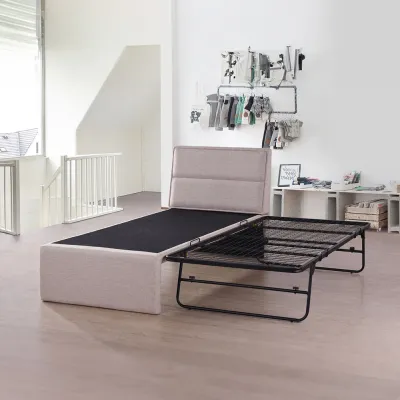
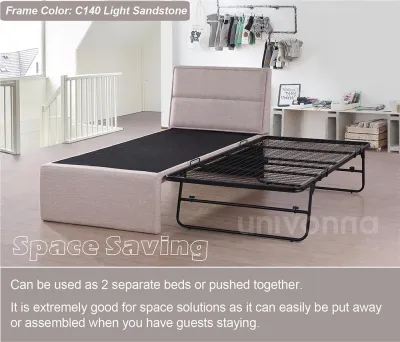
![[INNDESIGN.SG] 3 IN 1 Pullout Bed With Mattress (Optional) (Fully Assembled and Free Delivery)(Single/Super Single/Queen/King)](https://img.lazcdn.com/g/p/b189bf1ad8ad325160dba832c77606e9.jpg_400x400q80.jpg_.webp)

![[Bulky]Twentyone 3 In 1 Pull Out Bed Frame With / Without Divider Colour Available](https://img.lazcdn.com/g/p/350aa76bd433bdc8023c27960ccdc461.jpg_400x400q80.jpg_.webp)


Prices are valid at publication and may change. Please refer to the product page for the latest price.
Key Safety Risks of 3-in-1 Beds for Young Kids
Falls represent the most common and severe hazard associated with elevated beds. A fall from the top tier of a 3-in-1 bed onto a hard bedroom floor can result in serious injuries. Even the lower trundle bed, while seemingly safe due to its low profile, poses a minor fall risk if a young child rolls out onto hard flooring or hits adjacent furniture. The transition between sleeping levels must be managed carefully to ensure children do not trip when waking up in a disoriented state.

Entrapment and pinch hazards are unique to multi-functional furniture with moving parts. The tracks, rollers, and hinges that allow the trundle and drawers to slide in and out can easily trap small fingers and hands. Furthermore, gaps can form between the mattress and the bed frame, or between the trundle and the main bed structure. If a mattress is too small for the frame, a young child can slip into these gaps, leading to dangerous limb or head entrapment.
Structural stability is another critical concern, especially in active households. Children often view multi-tier beds as play structures, leading to climbing, jumping, and rough play. This dynamic weight can stress the joints of the bed frame over time. If the bed is not properly balanced or anchored, pulling out the heavy trundle or opening multiple storage drawers simultaneously can shift the center of gravity, creating a serious tip-over risk.
Age Limits and Developmental Readiness
Industry safety standards establish a clear age limit of six years old for any elevated sleeping surface. Before this age, children have not fully developed the depth perception, balance, and motor skills required to safely climb ladders or sleep near an edge, even with guardrails in place. Placing a child under six on the elevated main bed of a 3-in-1 system significantly increases the likelihood of an accidental fall.
Evaluating a child’s sleep habits is just as important as checking their age. Restless sleepers who frequently toss, turn, or migrate across the mattress during the night are at a higher risk of rolling over guardrails. Similarly, children who experience sleepwalking, night terrors, or frequent nighttime awakenings should not sleep on the elevated tier, as they may attempt to climb down while semi-conscious and lose their footing.
Physical coordination and behavioral maturity must also be assessed before introducing a 3-in-1 bed. A child must be able to demonstrate that they can climb the ladder or steps confidently in pitch-black conditions. They must also possess the maturity to follow safety rules, such as refraining from jumping on the bed or playing with the sliding trundle mechanism. If a child still struggles with basic coordination or exhibits impulsive behavior, a standard low-profile single bed remains the safer choice.
Essential Safety Features and Pre-Purchase Checks
When shopping for a 3-in-1 pull-out bed, guardrail specifications should be your first point of inspection. The guardrails on the elevated bed must be continuous on all sides, except for a narrow opening for the ladder. Check that the gap between individual slats is narrow enough to prevent a child’s head from passing through. The guardrail must also extend significantly above the top of the mattress to prevent a rolling child from tumbling over the edge.
The trundle mechanism requires careful scrutiny to ensure smooth and safe operation. Look for models featuring enclosed tracks that shield the rolling wheels and gears from curious fingers. Locking mechanisms or floor stoppers are essential features that prevent the trundle from rolling or shifting unexpectedly when a child steps onto it or rolls over during sleep. The drawers should also feature safety stops to prevent them from being pulled entirely out of their tracks.
Always verify safety certifications before making a purchase. Look for labels indicating compliance with recognized international safety standards, such as EN or ASTM, on the product packaging or the manufacturer’s documentation. These certifications ensure the bed has undergone rigorous testing for structural integrity, material toxicity, and entrapment hazards. Avoid unbranded or cheap imports that lack verifiable safety documentation.
Mattress compatibility is a critical safety factor that parents often overlook. The effectiveness of the guardrails is directly tied to the thickness of the mattress. If you install a mattress that is too thick, the distance between the mattress surface and the top of the guardrail will be insufficient, rendering the guardrail useless. Always check the manufacturer’s guidelines for the maximum allowable mattress thickness for both the elevated bed and the pull-out trundle.
Safe Setup, Installation, and Daily Usage Rules
Proper assembly is the foundation of furniture safety. When installing a 3-in-1 bed, strictly follow the manufacturer’s instructions and use all provided hardware. If the instructions recommend anchoring the bed frame to the wall, do not skip this step. In Singapore’s high-rise apartments, ensure you use the correct wall plugs and brackets suitable for concrete or masonry walls to guarantee a secure hold that prevents the frame from tipping.
Regular maintenance is essential to keep the bed safe over time. The high humidity in tropical climates can cause wooden components to expand and contract, which may loosen screws and joints over time. Establish a schedule to inspect the bed frame every few months. Tighten any loose bolts, check the alignment of the trundle tracks, and ensure the guardrails remain rock-solid and free of wobbling.
Establishing clear household rules is vital for preventing accidents. Teach your children that the bed is a place for rest, not a playground. Prohibit jumping on the mattresses, climbing up the outer frame of the bed, or playing inside the trundle cavity. Ensure that only one child operates the trundle mechanism under adult supervision to prevent pinched fingers or trapped limbs.
Knowing when to stop using the bed is crucial for child safety. If you observe any structural damage, such as cracked wooden slats, bent metal brackets, loose tracks, or splintered guardrails, immediately halt use of that section. Do not attempt temporary DIY fixes for critical safety components. Instead, contact the manufacturer or a professional furniture repair service to source authorized replacement parts and restore the bed’s structural integrity.
Frequently Asked Questions (FAQ)
Can a Toddler Sleep on the Pull-Out Trundle Bed?
While the low height of a pull-out trundle minimizes the risk of serious fall injuries, it is not automatically safe for toddlers. Toddlers face unique risks, such as getting wedged in the gap between the trundle and the main bed frame, or getting their fingers pinched in the sliding tracks. Parents must check the manufacturer’s specific age and weight limits for the trundle component. If used for a toddler, ensure the mattress fits snugly with no gaps, and supervise them closely when the bed is being opened or closed.
How Do I Prevent Entrapment Between the Mattresses?
To prevent dangerous gaps where a child’s limbs or head could become trapped, always use mattresses that match the exact dimensions specified by the bed manufacturer. Avoid using standard mattresses if the frame requires a custom slim or short size. For configurations where the trundle rises to meet the main bed, specialized bed bridges or gap fillers designed for pull-out beds can be used to secure the seam. Regularly inspect the alignment to ensure the trundle has not drifted away from the main frame during the night.
Community discussion
Share your experience or ask a question. Comments are reviewed before publication.